


 English
  عربى
عربى  Español
  中文简体
中文简体
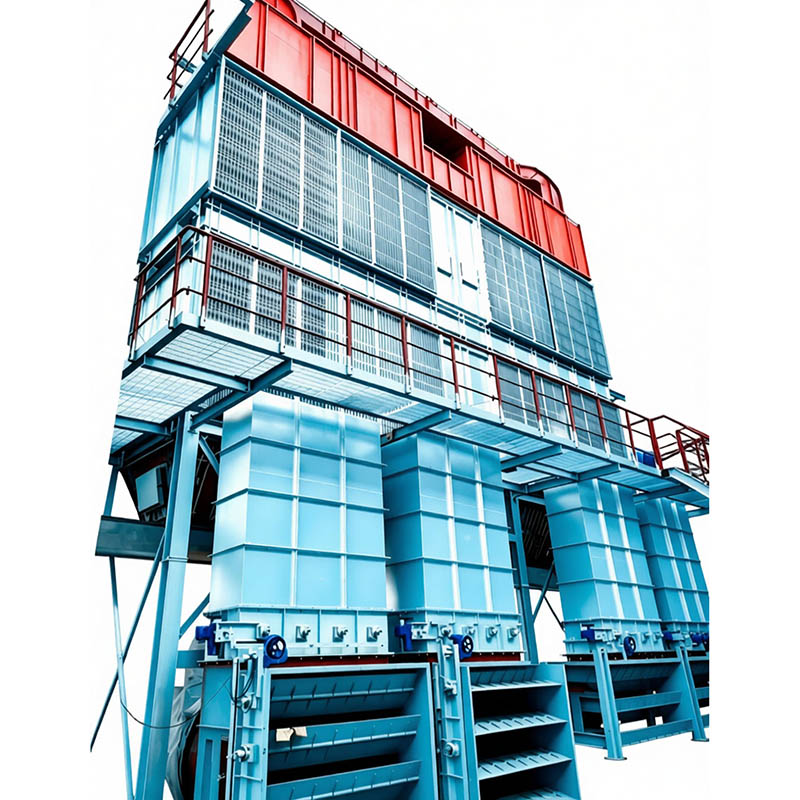
 Flat Bag Dust Collector
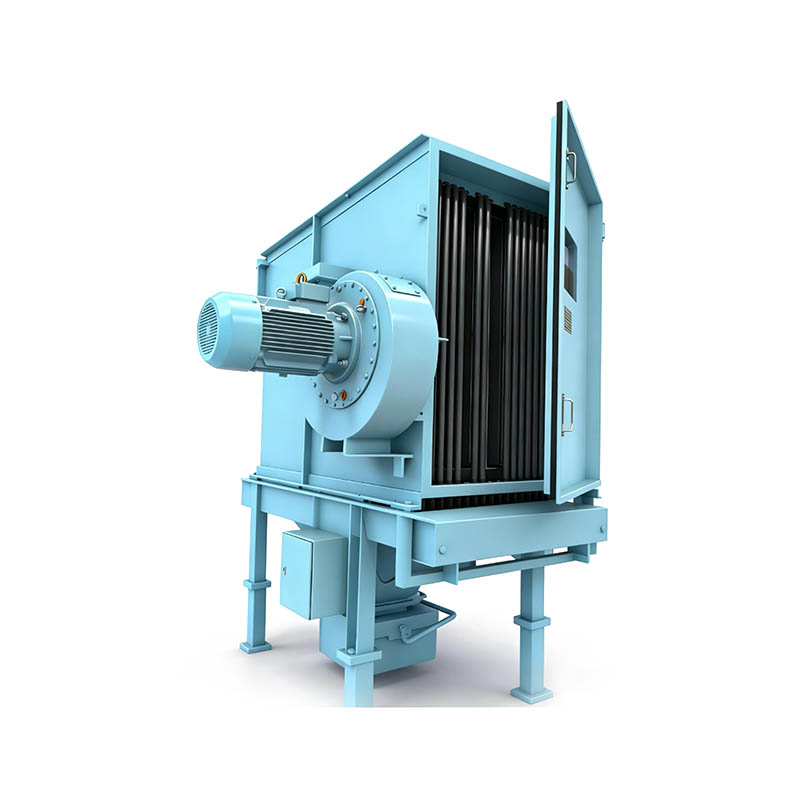
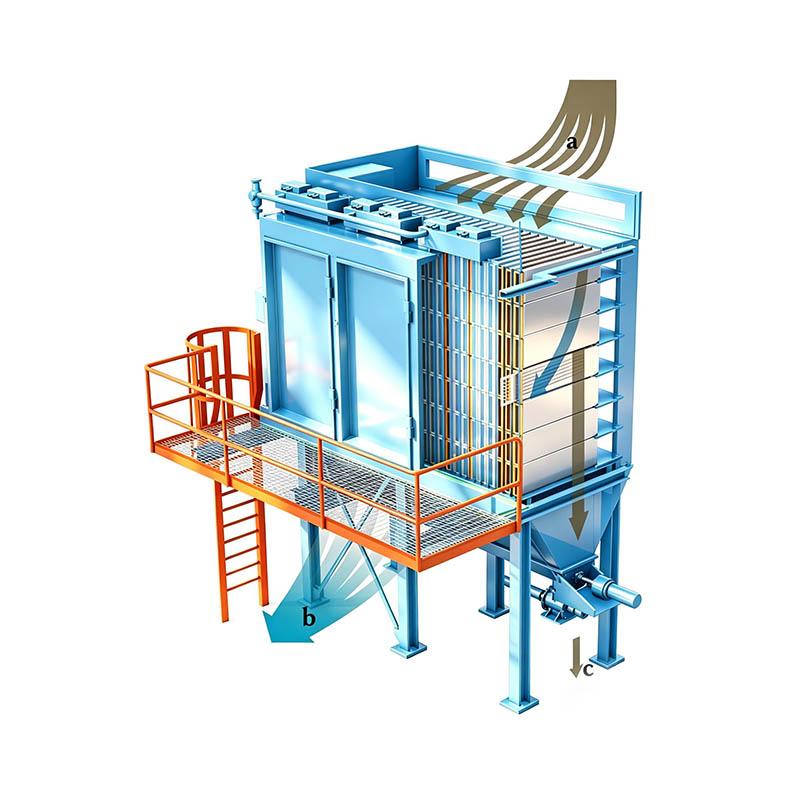
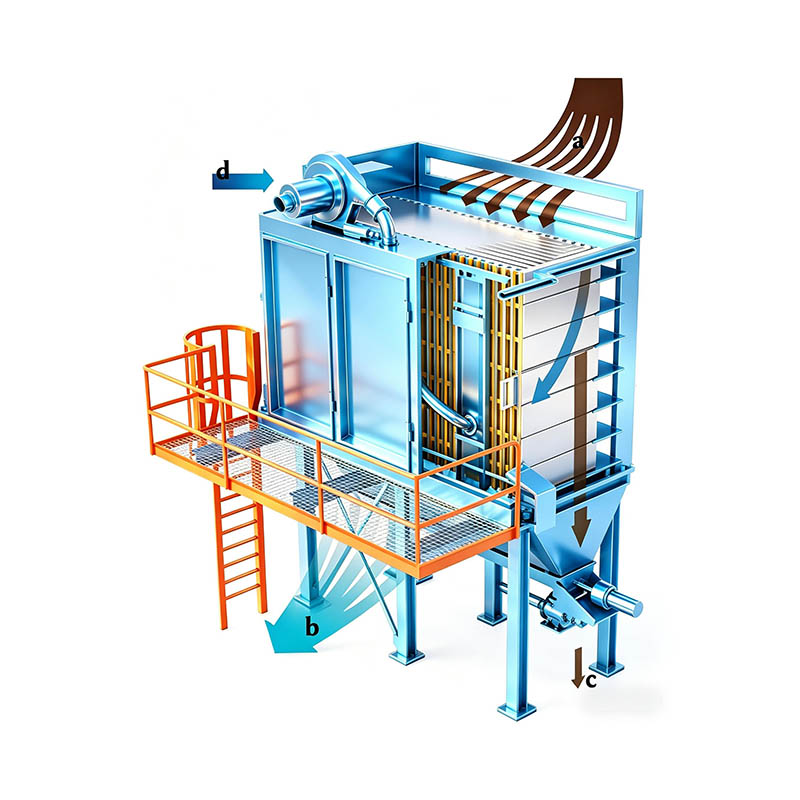
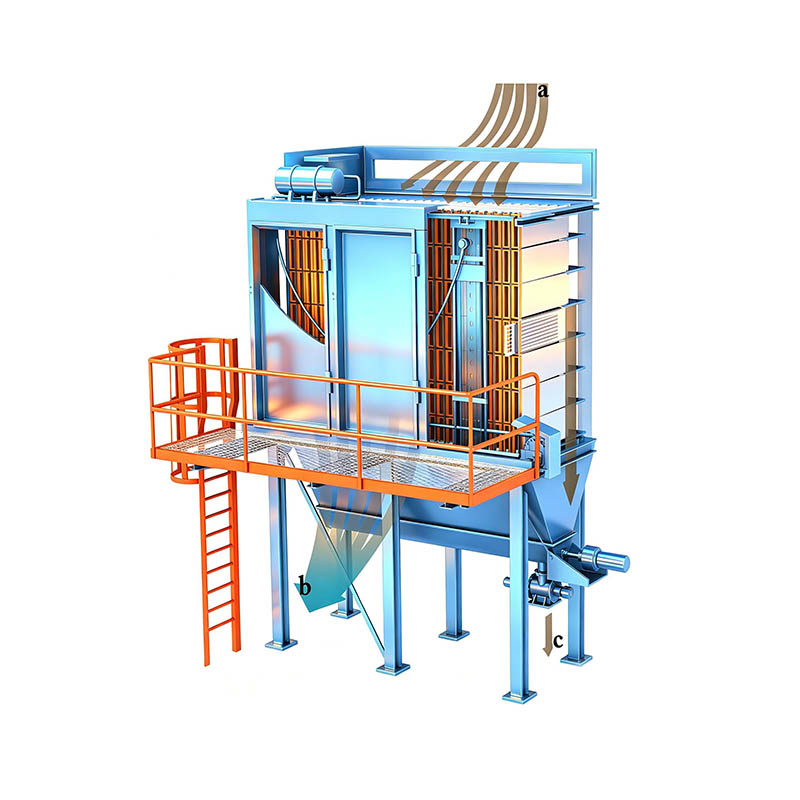
Flat bag dust collector design with downflow principle, adopts a flat filter bag structure and a pulse jet cleaning system. Equip with special selected filter material, use for heavy or light, coarse or fine, stick or oily application, guarantee the filtration and Emission performance. The equipment has a compact structure, occupies little space, and can be flexibly combined into modules to adapt to dust control scenarios in various industries. Equipped with an intelligent control system, it can automatically adjust airflow and cleaning mode to ensure stable operation and help enterprises achieve emission standards.
 Cartridge Dust Collector
The cartridge dust collector uses high-quality pleated filter cartridges as its core, offering a large filtration area and dust removal efficiency. It features a high-pressure pulse cleaning system for thorough cleaning with low resistance. Its lightweight design facilitates easy installation and maintenance, making it suitable for various small to medium airflow dust conditions. Equipped with intelligent monitoring and linkage control functions, it balances energy saving and environmental protection, achieving efficient dust collection and compliance with standards.
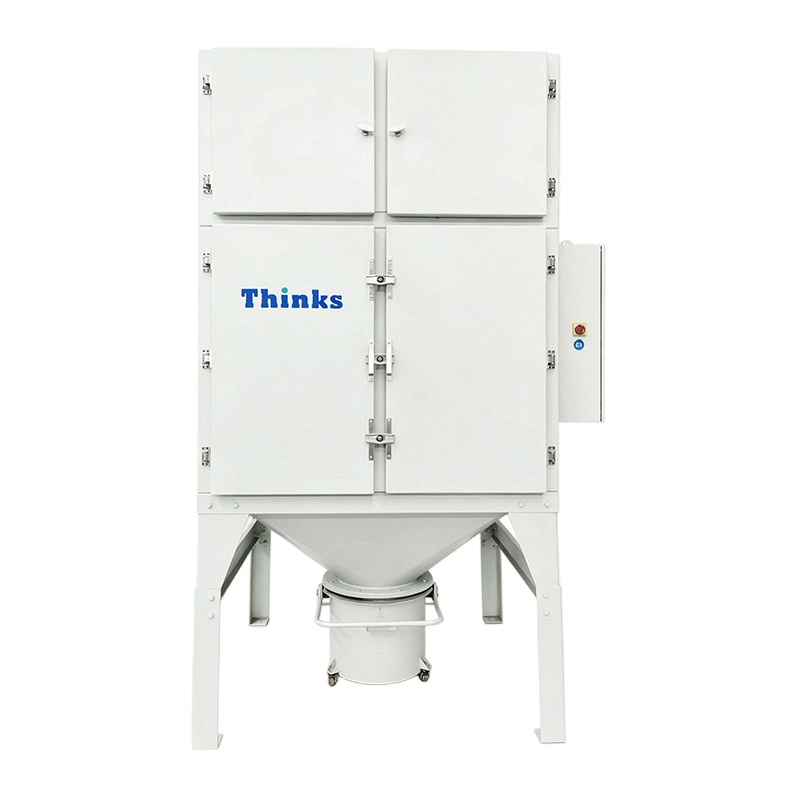 Oil Mist Processor
The oil mist processor employs a three-stage purification process, offering purification of pollutants such as oil mist from machining. Core components are corrosion-resistant, and the filter is oleophobic and easy to maintain. It operates with low noise, offers flexible installation options, and is compatible with various machine tools. It also features automatic oil recovery, improving the workshop environment, protecting employee health, and meeting environmental protection requirements.
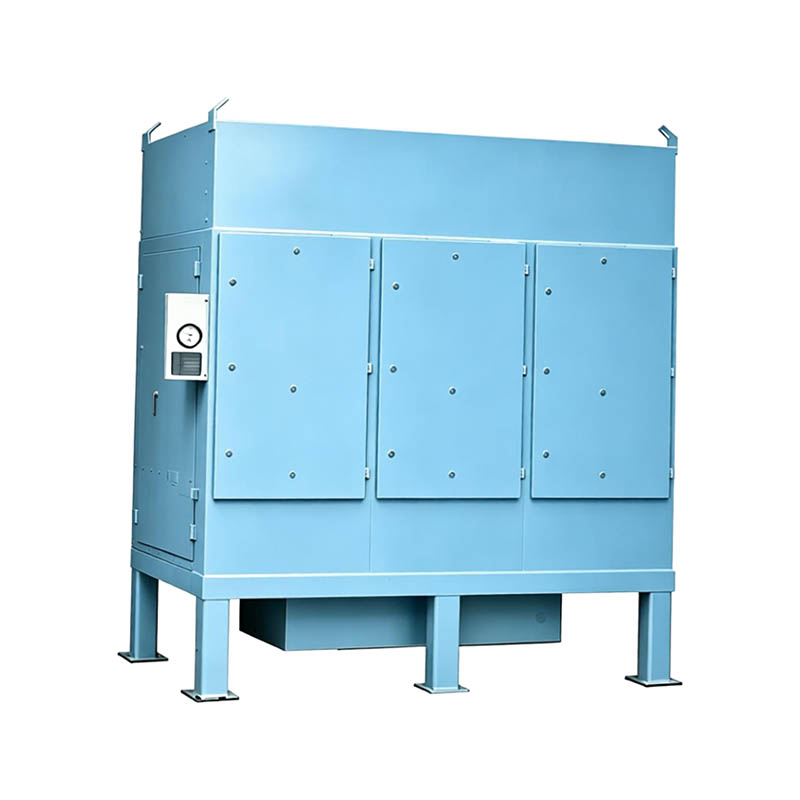 Explosion-Proof Wet Dust Collector
Explosion-proof wet scrubbers are designed according to explosion-proof standards, employing explosion-proof components and wet scrubbing principles, ensuring reliable explosion-proof performance and stable dust removal efficiency. They feature overall sealing, making them suitable for flammable and explosive dust environments. The equipment operates stably, is easy to maintain, has strong corrosion resistance, and is equipped with an intelligent monitoring system to ensure production safety and compliance with emission standards.
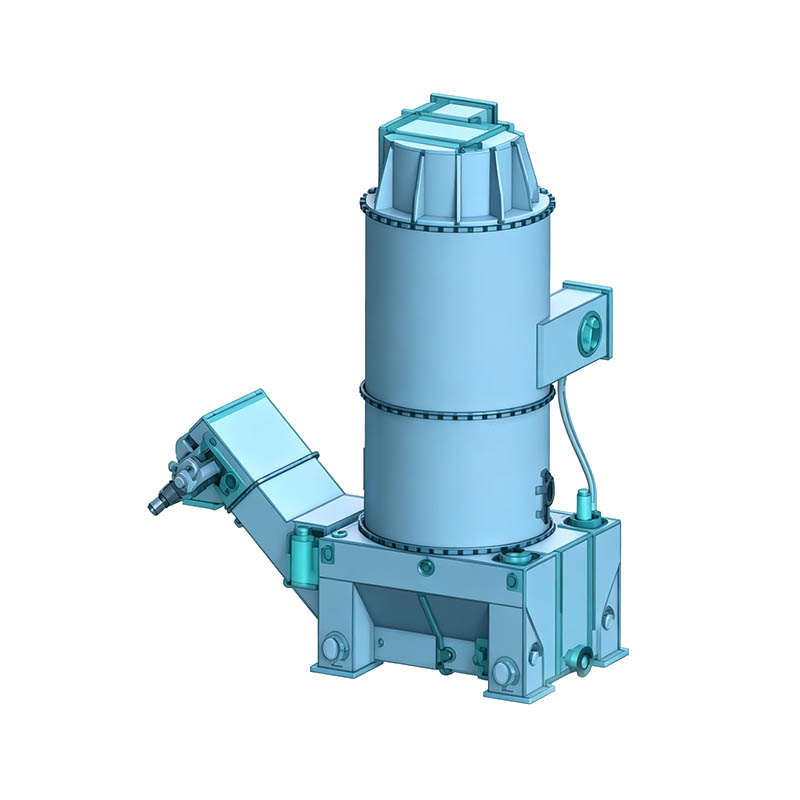 High Vacuum Dust Collector
THV high vacuum dust collector is a centralized cleaning solution designed specifically for industrial applications. The THV Series High Vacuum System is a centralized cleaning solution that uses a network of pipes and dust collection accessories to directly capture dust, particles, and other pollutants from factories, workshops, or buildings, transporting them to a centralized dust collection unit for treatment and filtration.
Based on the vacuum principle, the system uses powerful negative pressure (≥35,000 Pa) to draw contaminants into the centralized unit, achieving comprehensive and efficient cleaning operations.
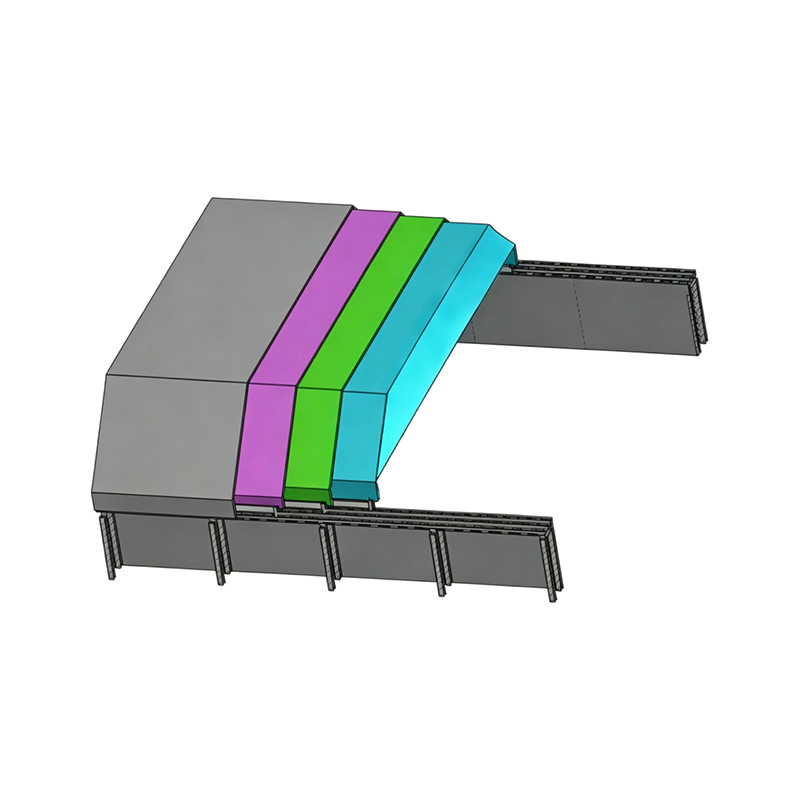
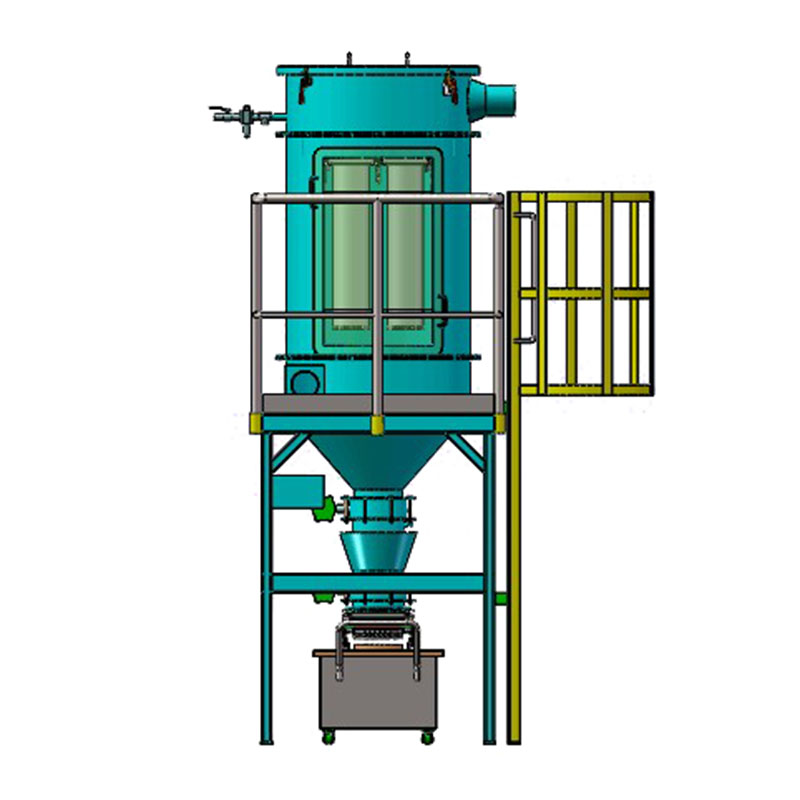 Auxiliary Equipment
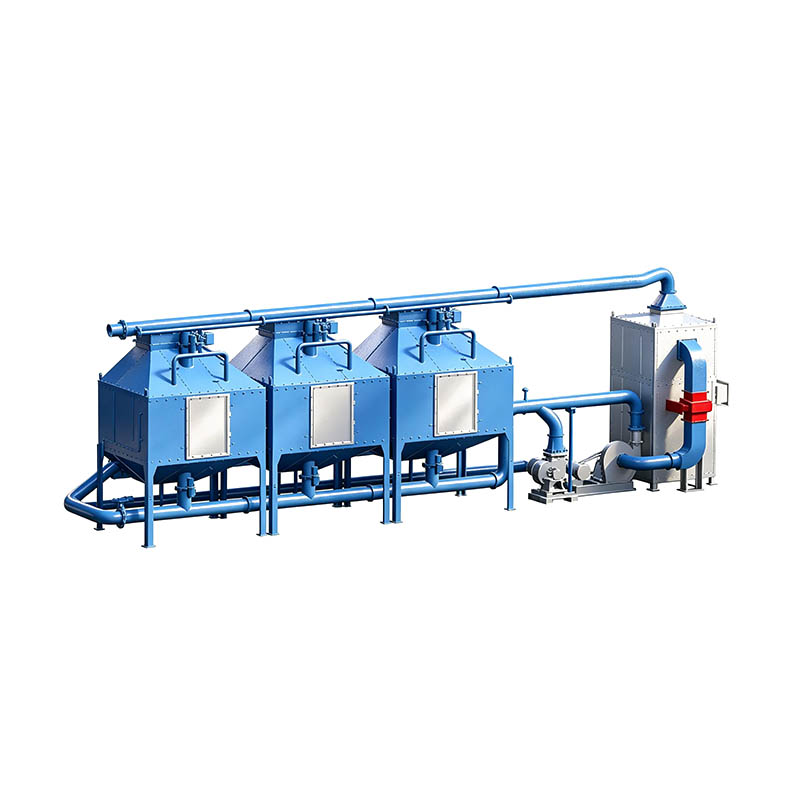
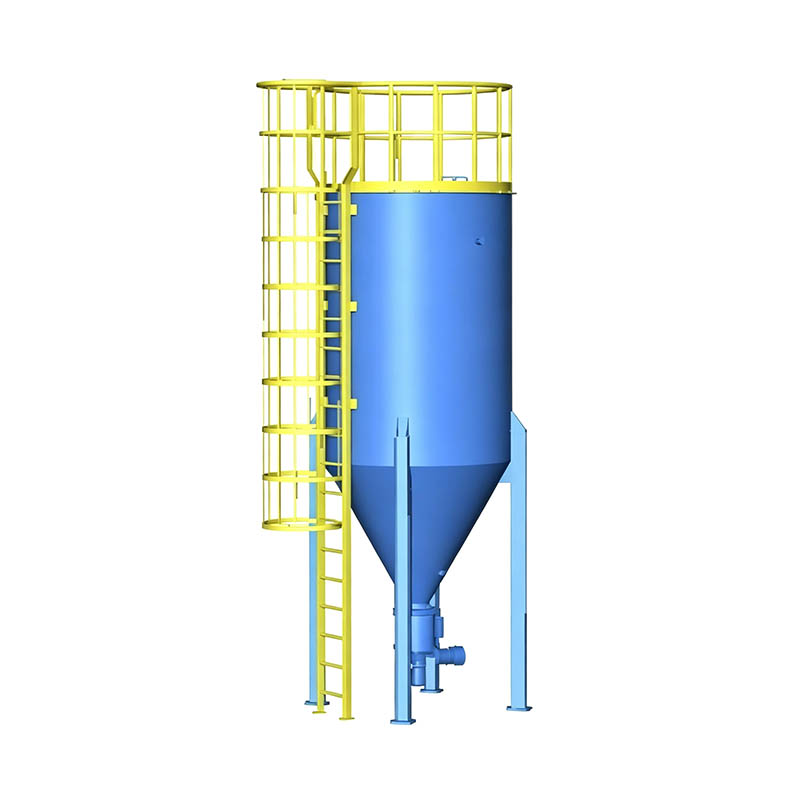
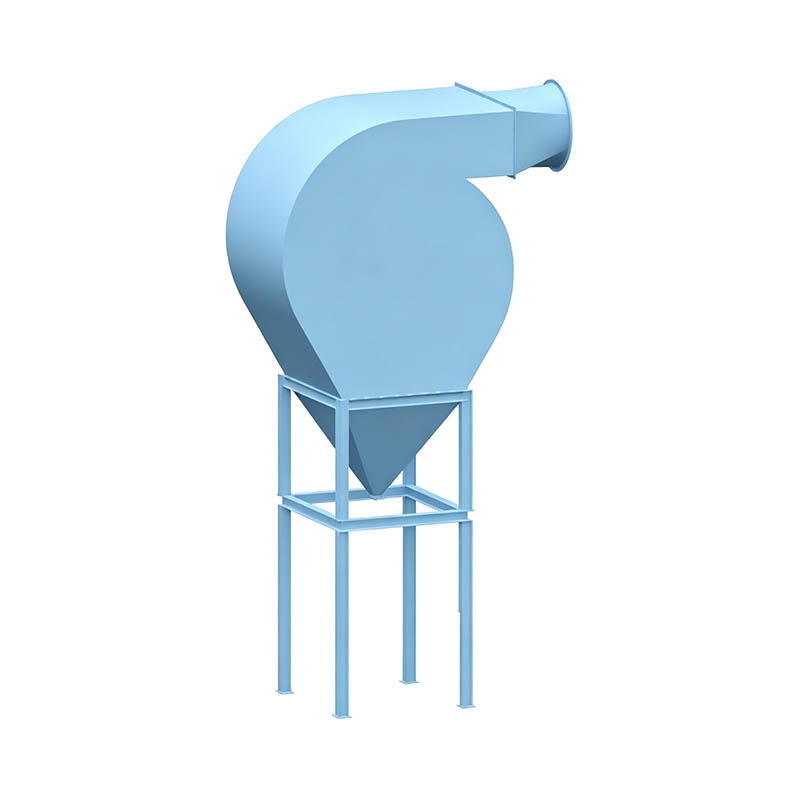
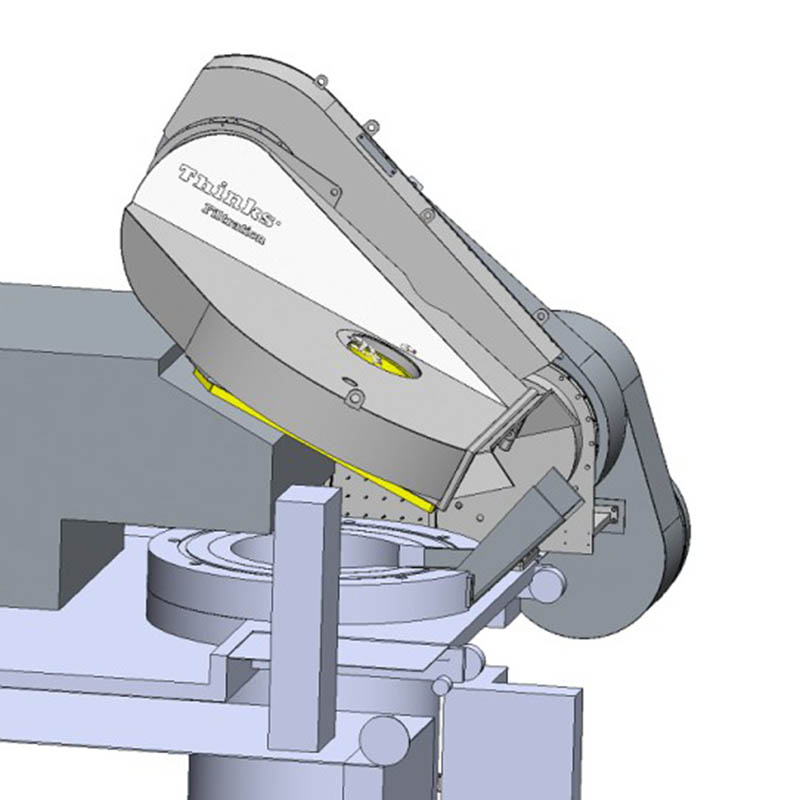
Thinks design different auxiliary equipment for different application, which is comprehensive, covering core components such as furnace hoods, spark arrestor, air coolers, rotor mixers, humidification and circulation equipment, and customized suction hoods, Each of the auxiliary equipment is series designed. used as a auxiliary of dust collector system, to improve the function and reliablity of dust collector system .those equipments are Compatible with various dust collector models, it offers convenient installation, low maintenance costs, and significantly improves the overall stability and adaptability of the dust collection system.
Changzhou Thinks Environmental Technology Co., Ltd.
Changzhou Thinks Environmental Technology Co., Ltd. is a system supplier specializing in industrial air pollution control. We are a
China Wholesale OEM/ODM Industrial Dust Collection System Supplier and Company
. Relying on independently developed high-quality products, we provide customers with world-class product technology and solutions. Thinks has global service capabilities and its products are exported to North America, Europe, Africa, Southeast Asia and other regions. Its main service areas include casting, non-ferrous metals, chemical industry, steel, packaging, printing, pharmaceuticals,new energy and other industries.
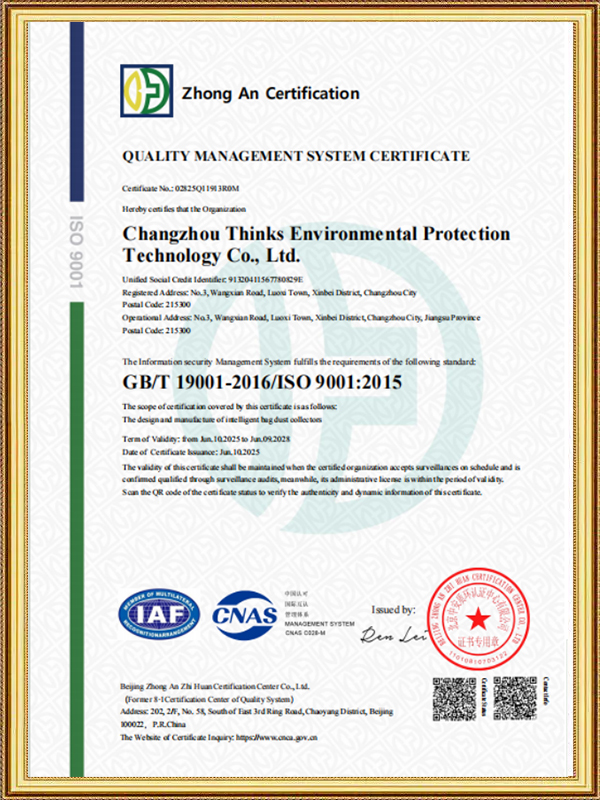
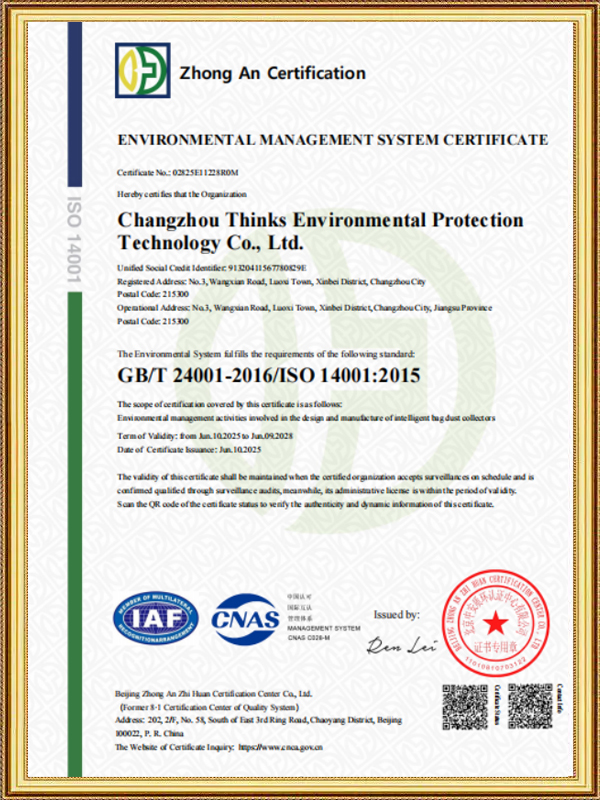
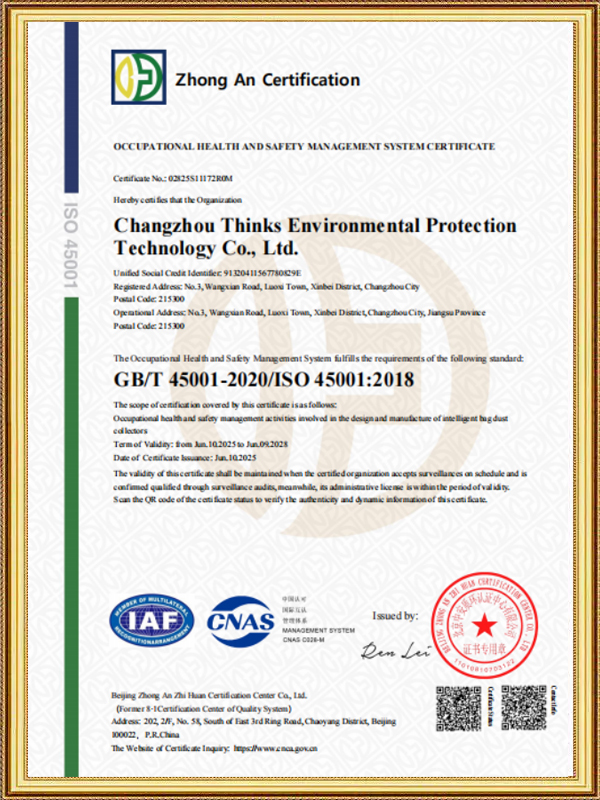
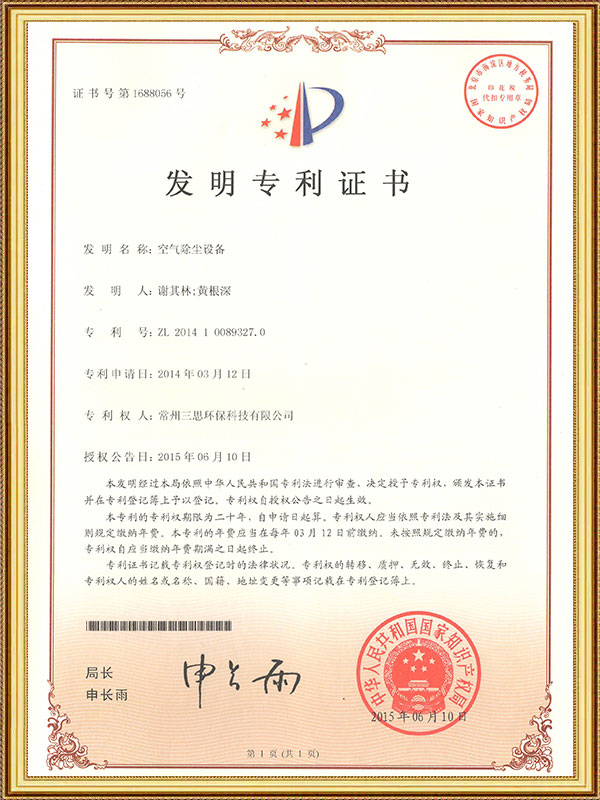
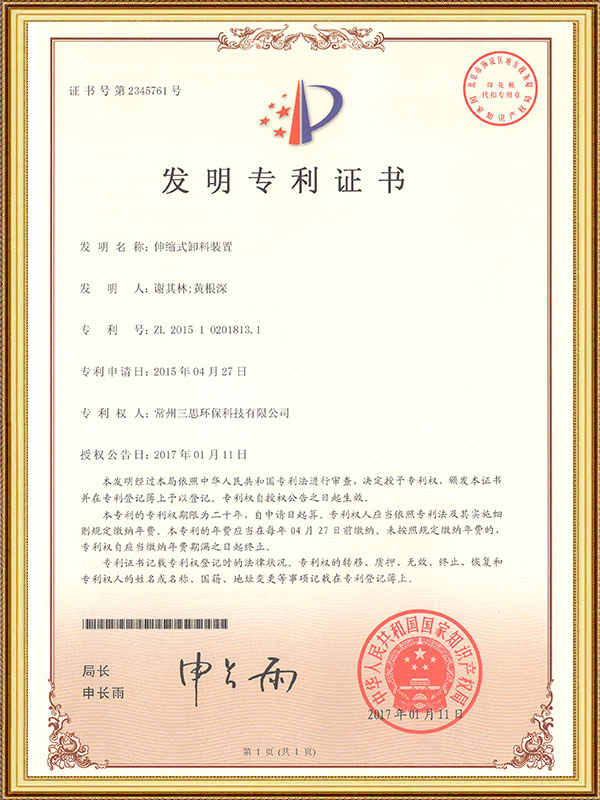
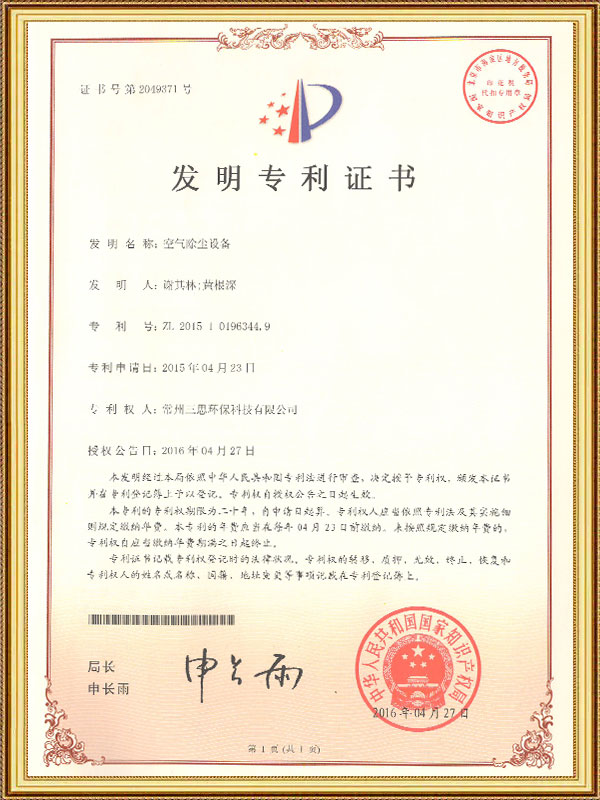
Honorary Certification
Certificates
Latest Updates
What'S News
-
Bag Filter Selection Guide: Media Grade, Air-to-Cloth Ratio and Bag LifeA foundry that replaces its filter bags every eight months is almost never fighting the bags. It is fighting an air-to...
-
Air Pollution Control Equipment: How to Size, Select and Verify Industrial SystemsTwo cartridge collectors rated at the same 20,000 m3/h sit side by side in a die-casting plant. One holds stack emissi...
-
Pulse Jet Baghouse: Efficiency, Filter Media, and Maintenance Tips for Longer Bag LifeWhen a gray iron foundry replaced its aging shaker-type collector with a pulse jet baghouse, stack emissions dropped f...
-
Oil Mist Recovery System Guide: Selection, Performance, and MaintenanceInside a machining hall with twenty CNC lathes running at 6,000 rpm, the air can hold 5 to 10 mg/m3 of oil aerosol on ...
-
Explosion Proof Wet Dust Collector Guide: Safety, Selection & ComplianceA grinding cell finishing aluminum housings produces a fine metallic dust that settles on every beam, cable tray and f...
Products Industry knowledge
Why is Industrial Dust Control Becoming Increasingly Important? How to Choose a Suitable Industrial Dust Collection System?
As industrial manufacturing levels continue to improve, enterprises have increasingly higher requirements for the production environment, employee health, and environmental emissions. In the past, many factories considered dust an unavoidable byproduct of production. Today, however, industrial dust control has become a core element of safe production and green development for enterprises.
Especially in industries such as casting, steel, chemicals, new energy, packaging and printing, and pharmaceuticals, large amounts of fine dust are continuously generated during production. If not collected and purified promptly, it will not only affect equipment operating efficiency but may also cause air pollution, dust explosions, and occupational health risks. Therefore, a highly efficient and stable Industrial Dust Collection System has become a crucial component of modern industrial infrastructure.
Why Has Industrial Dust Control Become a Key to Enterprise Development?
In industrial production sites, dust problems are often more complex than people imagine.
For example, in the metal processing and casting industries, high-temperature fumes and fine particulate dust can disperse rapidly; in the chemical industry, some dust is corrosive and flammable; and in the production of new energy materials, ultrafine dust not only easily floats but also affects product quality.
If these dust particles remain suspended in the air for extended periods, they can have multiple impacts.
Employee Health Issues
Long-term inhalation of industrial dust can easily lead to respiratory illnesses, and in severe cases, even occupational diseases such as pneumoconiosis.
Production Safety Risks
Some combustible dusts, when reaching a certain concentration, are highly susceptible to explosion upon contact with an ignition source. Simultaneously, large dust deposits can affect equipment heat dissipation and the operation of precision instruments, increasing maintenance costs.
Environmental Compliance Pressure
More and more countries and regions are imposing higher standards on industrial waste gas emissions. Companies that fail to meet environmental requirements will face rectification pressure and even market access restrictions.
Therefore, industrial dust collection systems are no longer just environmental protection equipment, but a crucial component for companies to achieve sustainable production.
What is the Core Function of an Industrial Dust Collection System?
Many companies tend to focus solely on filtration efficiency when selecting dust collection equipment. In fact, a complete Industrial Dust Collection System involves more than just simple dust collection; it also needs to consider airflow design, energy consumption control, system stability, and long-term maintenance costs.
A mature industrial dust collection system typically includes several key components.
| System Component | Main Function |
| Dust Collection System | Captures dust rapidly at the pollution source |
| Pipeline Conveying System | Transports airflow and dust particles |
| Filtration System | Achieves efficient dust purification |
| Fan System | Provides stable negative pressure |
| Intelligent Control System | Supports automation and energy-saving management |
Different industrial scenarios have significantly different requirements for dust collection systems.
For example, the steel industry needs to handle large volumes of high-temperature flue gas; the chemical industry focuses more on corrosion and explosion-proof performance; the pharmaceutical industry has higher requirements for air cleanliness; and the new energy industry often needs to solve the problem of ultrafine dust filtration.
Therefore, a truly efficient dust collection solution must be customized based on industry characteristics and actual operating conditions.
How Can Enterprises Choose the Right Industrial Dust Collection System?
In the actual procurement process, many enterprises easily fall into the trap of focusing only on equipment price. However, industrial dust collection systems are long-term operating equipment, and system stability and overall operating costs are far more important than the initial purchase cost.
Pay Attention to Filtration Efficiency and System Compatibility
Insufficient airflow design will prevent the achievement of ideal dust removal even with advanced filter materials; conversely, excessive airflow will increase energy consumption. Therefore, scientific system design is crucial.
Focus on Stable Equipment Operation
Industrial production often requires long-term continuous operation. Dust removal systems must possess reliable structural design and stable performance to minimize downtime and improve overall production efficiency.
Evaluate Supplier Experience and Global Service Capability
Especially for export-oriented companies, environmental standards vary significantly across different countries and regions. Whether the equipment supplier has international project experience directly impacts project implementation effectiveness.
Why Are More and More Companies Choosing Changzhou Thinks Environmental Technology Co., Ltd.?
As a system supplier specializing in industrial air pollution control, Changzhou Thinks Environmental Technology Co., Ltd. has been deeply involved in the Industrial Dust Collection System field for many years, committed to providing high-quality products and systematic solutions to global customers.
The company leverages its independent R&D capabilities to continuously optimize the performance of its core products, accumulating rich experience in filtration efficiency, system stability, and energy-saving control. Compared to traditional single-equipment supply models, Thinks emphasizes comprehensive system solutions, providing customized designs for different operating conditions.
Currently, the company's products are exported to North America, Europe, Africa, and Southeast Asia, demonstrating mature global service capabilities. Whether for large-scale steel projects or high-standard dust removal needs in the new energy industry, Thinks provides stable and reliable technical support.
Main Service Industries
| Industry | Application Features |
| Foundry Industry | High-temperature smoke and metal dust treatment |
| Non-ferrous Metals Industry | Fine particulate collection and purification |
| Chemical Industry | Corrosion-resistant and explosion-proof dust control |
| Steel Industry | Large airflow and high-temperature gas handling |
| Packaging and Printing Industry | Volatile particle and fine dust collection |
| Pharmaceutical Industry | Clean air and hygienic production requirements |
| New Energy Industry | Ultrafine powder filtration solutions |
Through long-term project practice, the company has a deep understanding of different dust characteristics, airflow organization, and industry environmental standards, enabling it to help companies achieve more efficient and energy-saving production operations while meeting environmental requirements.
FAQ
Which industries are industrial dust collection systems suitable for?
Industrial dust collection systems are widely used in industries such as foundry, steel, chemical, new energy, pharmaceutical, packaging and printing, and non-ferrous metals.
How does an industrial dust collection system improve production efficiency?
Timely dust collection reduces equipment contamination, lowers failure rates, and improves air quality, thereby enhancing overall production stability.
How to determine if a dust collection system is efficient?
This typically requires comprehensive consideration of filtration efficiency, airflow design, operational stability, energy consumption, and ongoing maintenance costs.
Why are customized dust collection solutions more important?
Different production processes generate dust with significantly different characteristics. Only by designing a system tailored to specific operating conditions can optimal dust collection performance and energy savings be achieved.
 From concept to production, we can
create the products you want.
From concept to production, we can
create the products you want.

PRODUCTION LINE
Flat Bag Dust Collector Cartridge Dust Collector Oil Mist Processor Explosion-Proof Wet Dust Collector High Vacuum Dust Collector Auxiliary EquipmentCONTACT INFO
WhatsApp:+86 15295158465 E-mail:[email protected] Add: No. 3 Wangxian Road, Airport Industrial Park, Xinbei District, Changzhou City
Copyright © Changzhou Thinks Environmental Technology Co., Ltd. All Rights
Reserved.
Wholesale Industrial Dust Collection System Supplier, Company
