


 English
  عربى
عربى  Español
  中文简体
中文简体
 Oil Mist Recovery System Suppliers
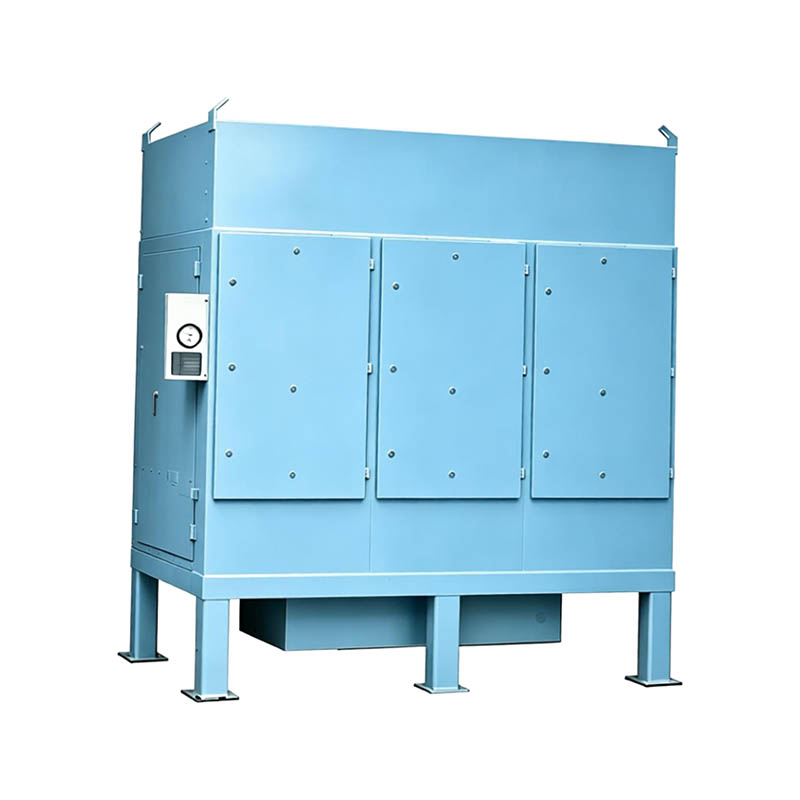
The oil mist processor employs a three-stage purification process, offering purification of pollutants such as oil mist from machining. Core components are corrosion-resistant, and the filter is oleophobic and easy to maintain. It operates with low noise, offers flexible installation options, and is compatible with various machine tools. It also features automatic oil recovery, improving the workshop environment, protecting employee health, and meeting environmental protection requirements.
Changzhou Thinks Environmental Technology Co., Ltd.
Changzhou Thinks Environmental Technology Co., Ltd. is a system supplier specializing in industrial air pollution control. We are China Wholesale Oil Mist Collector Suppliers and OEM/ODM Oil Mist Recovery System Company. Relying on independently developed high-quality products, we provide customers with world-class product technology and solutions. Thinks has global service capabilities and its products are exported to North America, Europe, Africa, Southeast Asia and other regions. Its main service areas include casting, non-ferrous metals, chemical industry, steel, packaging, printing, pharmaceuticals,new energy and other industries.
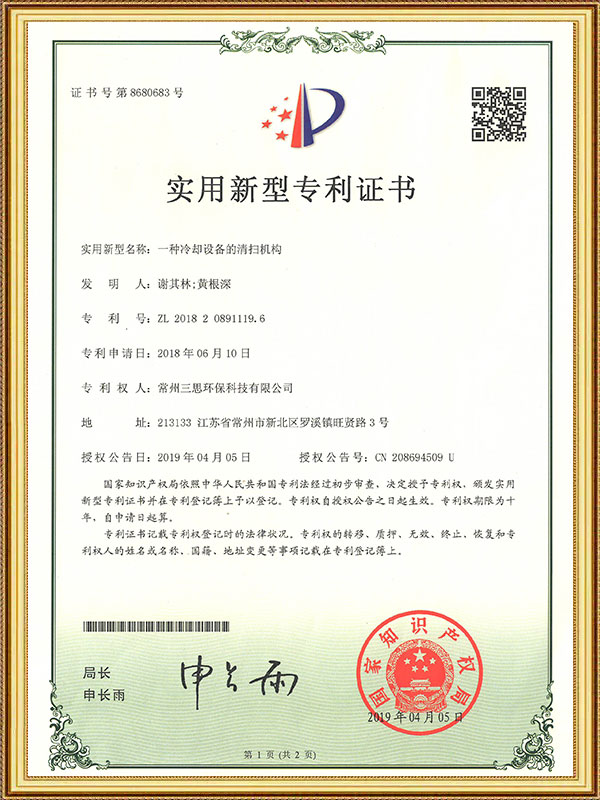
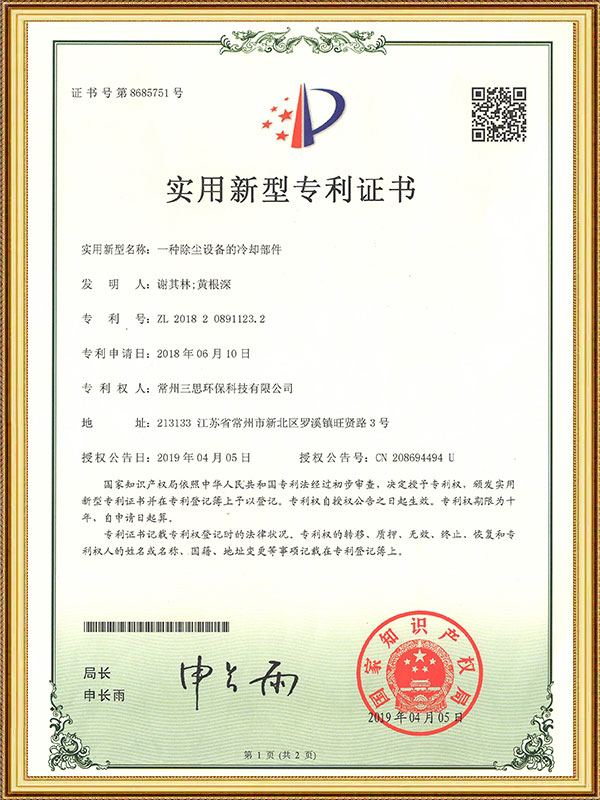
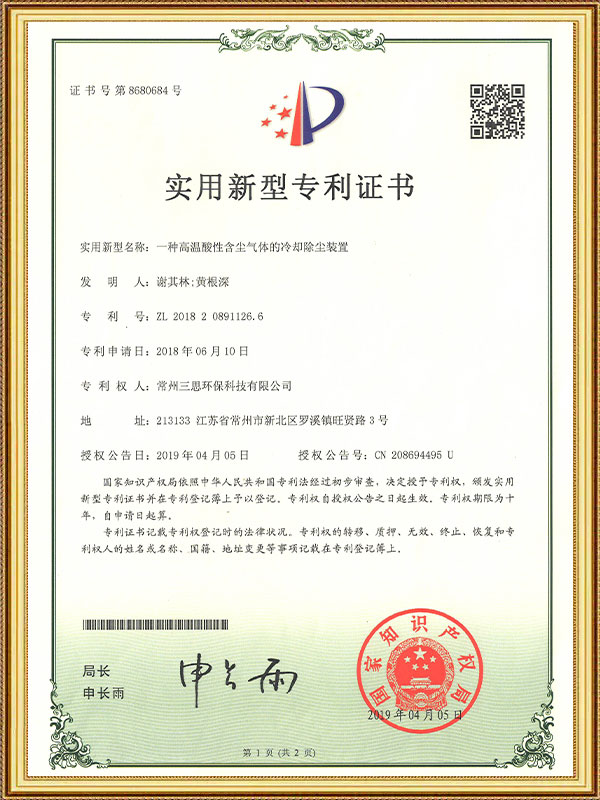
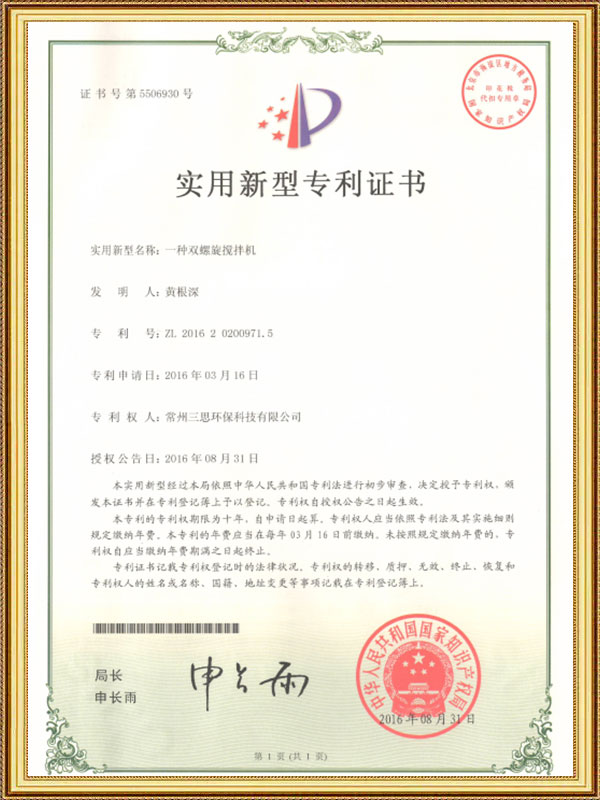
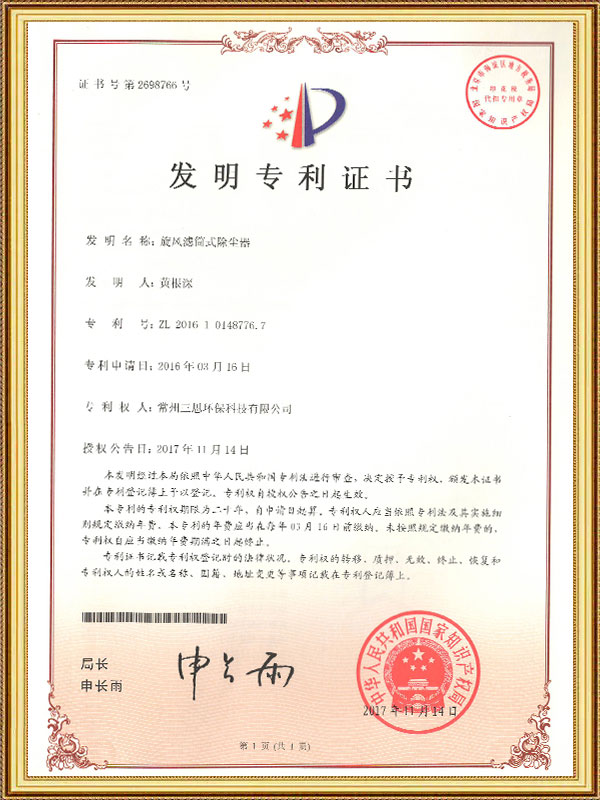
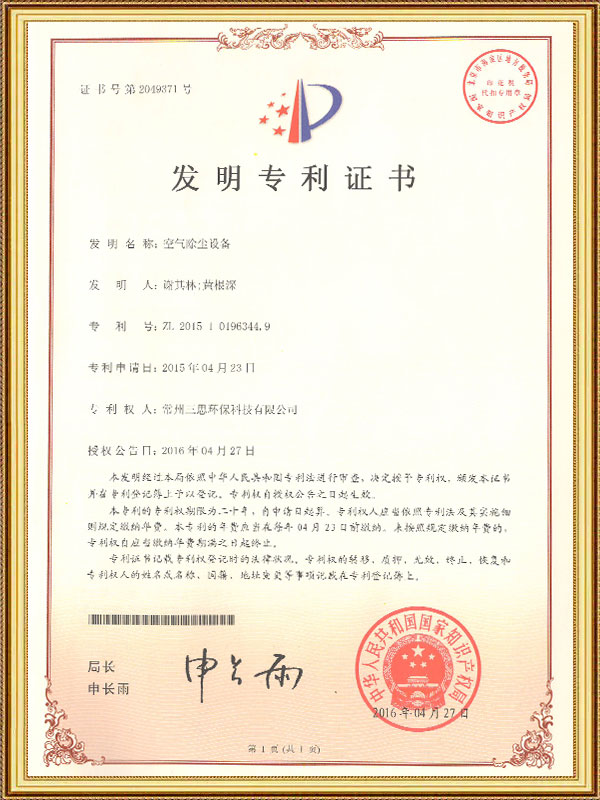
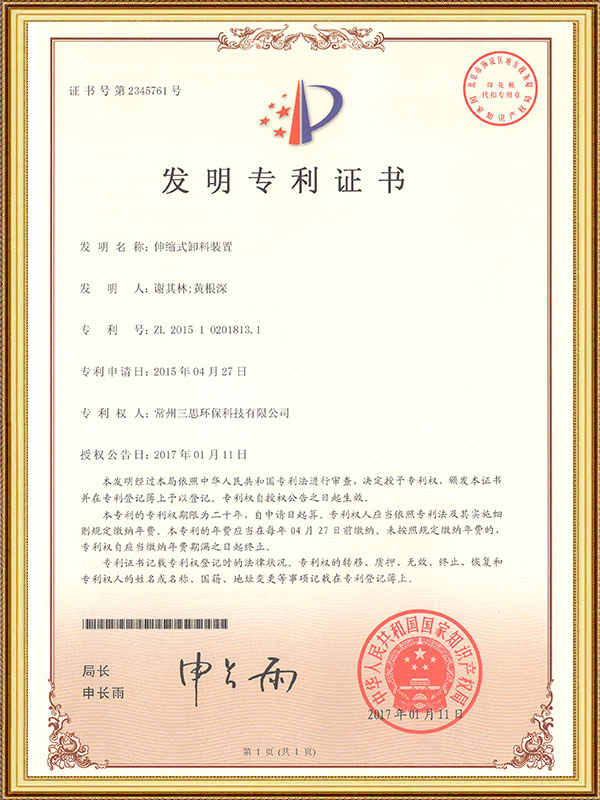
Honorary Certification
Certificates
Latest Updates
What'S News
-
Bag Filter Selection Guide: Media Grade, Air-to-Cloth Ratio and Bag LifeA foundry that replaces its filter bags every eight months is almost never fighting the bags. It is fighting an air-to-cloth ratio set too high during sizing, or a media grade ch...
-
Air Pollution Control Equipment: How to Size, Select and Verify Industrial SystemsTwo cartridge collectors rated at the same 20,000 m3/h sit side by side in a die-casting plant. One holds stack emissions below 10 mg/m3 for three years. The other drifts past 25...
-
Pulse Jet Baghouse: Efficiency, Filter Media, and Maintenance Tips for Longer Bag LifeWhen a gray iron foundry replaced its aging shaker-type collector with a pulse jet baghouse, stack emissions dropped from 38 mg/Nm³ to 6 mg/Nm³ in the first week of operation. Th...
-
Oil Mist Recovery System Guide: Selection, Performance, and MaintenanceInside a machining hall with twenty CNC lathes running at 6,000 rpm, the air can hold 5 to 10 mg/m3 of oil aerosol on a busy shift, several times the 0.5 mg/m3 reference value th...
-
Explosion Proof Wet Dust Collector Guide: Safety, Selection & ComplianceA grinding cell finishing aluminum housings produces a fine metallic dust that settles on every beam, cable tray and filter pocket in the room. One stray spark inside a dry dust ...
Oil Mist Processor Industry knowledge
Failure Modes & Replacement Cycle Determination for Oil Mist Collector Filters in Long-Term Operation – Perspective from Changzhou Thinks Environmental Technology Co., Ltd.
As a system supplier specializing in industrial air pollution control, Changzhou Thinks Environmental Technology Co., Ltd. relies on independently developed high-quality products to provide world-class technology and solutions. With global service capabilities, its products are exported to North America, Europe, Africa, Southeast Asia and other regions, serving industries including casting, non-ferrous metals, chemical, steel, packaging, printing, pharmaceutical, new energy and more. Below is a detailed analysis of failure modes and replacement cycle determination for different filter types in oil mist collectors under long-term operation.
I. Common Filter Types & Their Failure Modes
- Pre-filter (Metal mesh / Non-woven fabric)
- Failure modes: Severe pressure drop increase due to oil mist clogging; fiber collapse enlarging pore size allowing large particle penetration; surface oil film oxidation and hardening.
- Consequence: Sharp drop in front-end efficiency, overload on downstream high-efficiency filters. - HEPA / High-efficiency filter (Fiberglass / PTFE)
- Failure modes: "Oil blockage" causing non-linear resistance rise; ultrafine oil mist penetration forming secondary aerosol; chemical corrosion leading to brittle cracking of filter paper.
- Consequence: Exceeded emission concentration, increased fan energy consumption. - Electrostatic collecting unit (Ionizer + collecting plates)
- Failure modes: Oil accumulation leading to tracking, voltage breakdown or flashover; thickened oil fouling layer reducing collection efficiency; insulator contamination causing leakage.
- Consequence: Sharp efficiency drop, generation of ozone odor.
II. Key Parameter Comparison for Failure Judgment & Replacement Cycle
The following table summarizes key indicators from customer sites of Changzhou Thinks Environmental Technology Co., Ltd. (typical data after 2000 hours continuous operation):
| Pre-filter (metal mesh) | 80-120 | 350-450 | 75%-85% | <40% | 800-1200 |
| HEPA (fiberglass) | 150-250 | 600-750 | 99.97% | <85% or penetration | 2000-3000 |
| Electrostatic unit | 50-100 | 250-350 (with voltage drop) | 95%-98% | <70% | 1500-2500 (cleaning oriented) |
III. Specific Judgment & Replacement Operation Methods
- Differential pressure monitoring: Install a U-tube or electronic differential pressure gauge. Replace when resistance exceeds the "failure alarm resistance" value in the table and cleaning proves ineffective.
- Efficiency comparison method: Use a handheld particle counter to measure outlet concentration. If efficiency drops below the failure threshold (e.g. <85% for HEPA), replacement is required.
- Visual & odor inspection: For electrostatic units, visible oil mist at exhaust or pungent ozone smell indicates electrode contamination requiring cleaning or replacement.
- Manufacturer recommended intervals: Combine with the typical replacement cycles listed above, but adjust based on actual operating load and oil type (cutting oil vs. emulsion).
IV. FAQs
FAQ 1: What are the most common failure signs that my oil mist collector needs immediate attention?
The most common signs include a sustained increase in differential pressure beyond 1.5× normal operating level, visible oil mist or smoke from the exhaust outlet, excessive vibration or noise from the fan, and for electrostatic units, frequent sparking or ozone smell. Changzhou Thinks Environmental Technology Co., Ltd. recommends installing real-time monitoring devices to detect these early indicators and prevent unplanned downtime.
FAQ 2: Can I clean and reuse HEPA or electrostatic filters instead of replacing them?
Pre-filters and electrostatic collecting plates can often be cleaned using appropriate degreasers or ultrasonic baths, then reinstalled. However, HEPA filters are generally not cleanable — once oil-logged or physically damaged, they must be replaced. For professional guidance, consult Changzhou Thinks Environmental Technology Co., Ltd., which provides tailored maintenance schedules and genuine replacement parts for its oil mist processor series.
FAQ 3: How does the choice of coolant (cutting oil vs. water-based emulsion) affect filter life and replacement intervals?
Pure cutting oil tends to form sticky, resinous deposits that clog pre-filters and electrostatic plates faster, typically reducing replacement or cleaning intervals by 30-40%. Water-based emulsions produce finer, wetter mist that may lead to "oillogging" in HEPA media. Changzhou Thinks Environmental Technology Co., Ltd. offers customized filter packages based on your fluid type, ensuring optimal service life and compliance with local emission standards.
Key Differences Between Oil Mist Recovery System and Ordinary Oil Mist Collector in Technical Principle and Recovery Efficiency
As a system supplier specializing in industrial air pollution control, Changzhou Thinks Environmental Technology Co., Ltd. relies on independently developed high-quality products to provide world-class technology and solutions. With global service capabilities, its products are exported to North America, Europe, Africa, Southeast Asia and other regions, serving industries including casting, non-ferrous metals, chemical, steel, packaging, printing, pharmaceutical, new energy and more. Below is a detailed comparison between oil mist recovery systems and ordinary oil mist collectors.
I. Core Technical Principle Differences
- Ordinary Oil Mist Collector: Primarily uses mechanical filtration (mesh, baffles) or electrostatic precipitation to capture oil mist particles, then discharges cleaned air back to the workshop or atmosphere. Recovered oil is typically considered waste and disposed of.
- Oil Mist Recovery System: Employs multi-stage separation including centrifugal separation, coalescing filtration, and condensation stages to not only capture oil mist but also recover high-purity reusable oil. The system returns reclaimed oil back to machine tool reservoirs while discharging clean air.
II. Recovery Efficiency & Performance Parameter Comparison
The following table compares key parameters between ordinary oil mist collectors and oil mist recovery systems based on data from Changzhou Thinks Environmental Technology Co., Ltd.:
| Working Principle | Mechanical filtration / Electrostatic precipitation | Multi-stage centrifugal + coalescing + condensation |
|---|---|---|
| Oil Recovery Efficiency (by mass) | <20% (most oil drained as waste) | 85%-95% (reusable oil returned to machine) |
| Outlet Air Oil Concentration (mg/m³) | 5-15 mg/m³ | <0.5 mg/m³ |
| Recovered Oil Purity | Mixed with water/debris, not reusable | >99% purity, direct return to process |
| Energy Consumption (per 1000 m³/h) | 0.8-1.2 kW | 1.0-1.5 kW (higher due to multi-stage) |
| Filter Replacement Interval | 500-1500 hours | 3000-5000 hours (self-cleaning features) |
| Payback Period (vs. oil purchase cost) | None (no cost recovery) | 6-18 months |
III. Why Recovery Efficiency Matters – Industrial Application Example
In a typical CNC machining center consuming 500L of cutting oil monthly, an ordinary oil mist collector would discharge 400L as waste mist or drain oil. An oil mist recovery system from Changzhou Thinks Environmental Technology Co., Ltd. would return 425-475L of reusable oil, reducing new oil purchases by 85-95% and eliminating hazardous waste disposal costs.
IV. FAQs
FAQ 1: Can I retrofit my existing ordinary oil mist collector into a full oil mist recovery system?
Partial retrofitting is possible by adding coalescing stages and condensation modules, but most ordinary collectors lack the internal volume and pressure rating required for true recovery. For optimal performance and ROI, Changzhou Thinks Environmental Technology Co., Ltd. recommends installing a dedicated oil mist recovery system designed specifically for high-efficiency oil return and air cleaning.
FAQ 2: Which industries benefit most from upgrading to an oil mist recovery system?
Industries with high-value oil consumption and strict emission standards benefit most. Based on Changzhou Thinks Environmental Technology Co., Ltd.'s global installations, the highest ROI occurs in: automotive parts manufacturing (CNC machining), aerospace component production, screw and fastener machining, non-ferrous metal rolling, and pharmaceutical tablet press oil lubrication systems. Typical customers see 85-95% reduction in new oil purchases and 60-80% lower hazardous waste disposal fees.
FAQ 3: What maintenance is required for an oil mist recovery system compared to an ordinary collector?
While ordinary collectors require frequent filter changes (monthly to quarterly), oil mist recovery systems feature self-cleaning pre-separators and longer-life coalescing cartridges. Changzhou Thinks Environmental Technology Co., Ltd. recommends: quarterly inspection of coalescing elements, annual replacement of final HEPA stages, and daily draining of recovered oil return lines. Total annual maintenance cost is typically 30-50% lower than an ordinary collector when factoring in disposal savings and extended filter life.
 From concept to production, we can
create the products you want.
From concept to production, we can
create the products you want.

PRODUCTION LINE
Flat Bag Dust Collector Cartridge Dust Collector Oil Mist Processor Explosion-Proof Wet Dust Collector High Vacuum Dust Collector Auxiliary EquipmentCONTACT INFO
WhatsApp:+86 15295158465 E-mail:[email protected] Add: No. 3 Wangxian Road, Airport Industrial Park, Xinbei District, Changzhou City
Copyright © Changzhou Thinks Environmental Technology Co., Ltd. All Rights
Reserved.
Wholesale Oil Mist Collector Suppliers
