


 English
  عربى
عربى  Español
  中文简体
中文简体
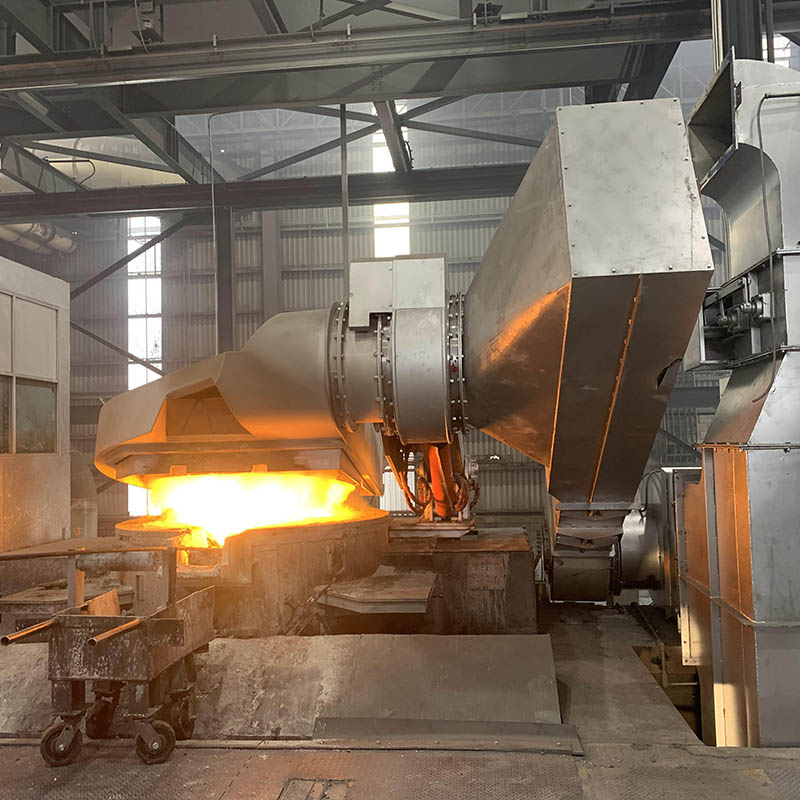
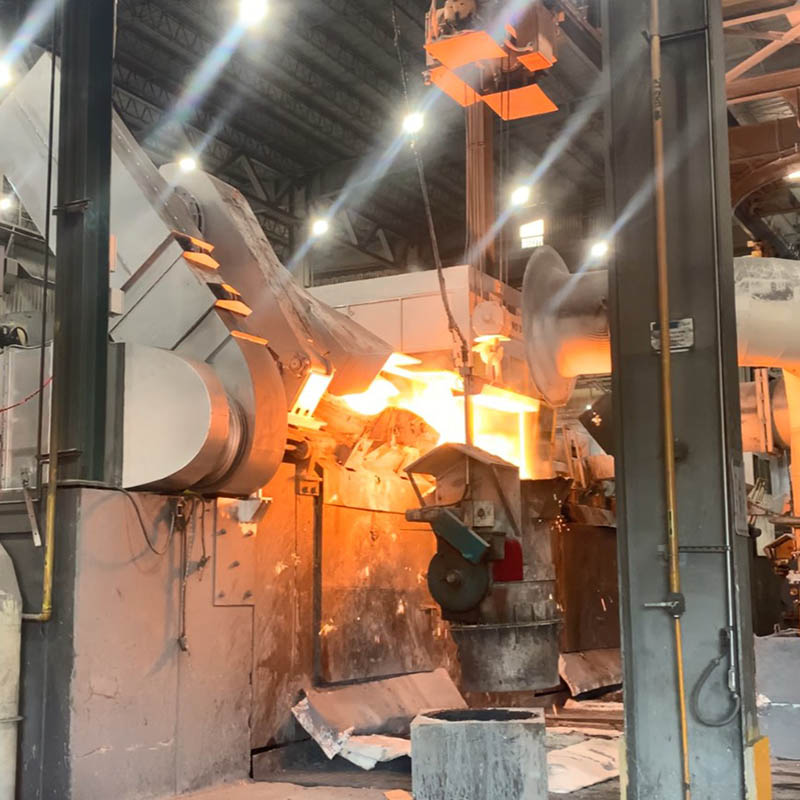
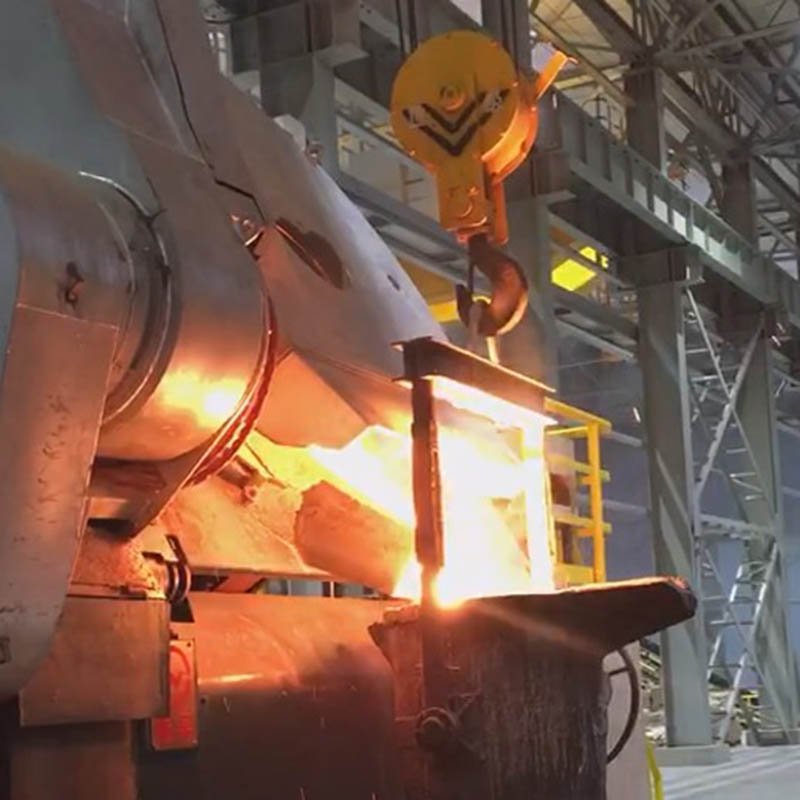
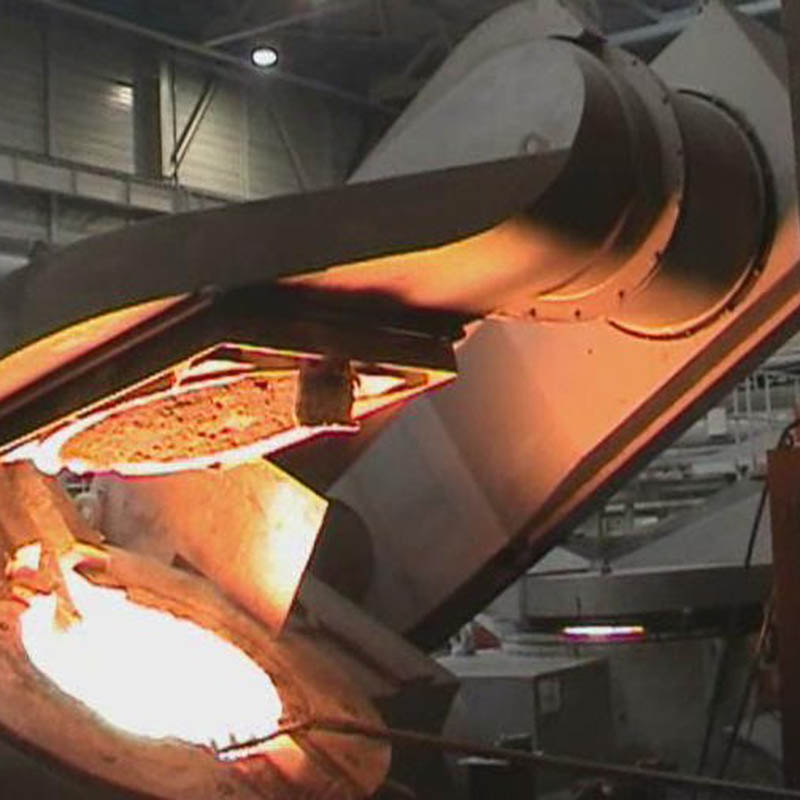
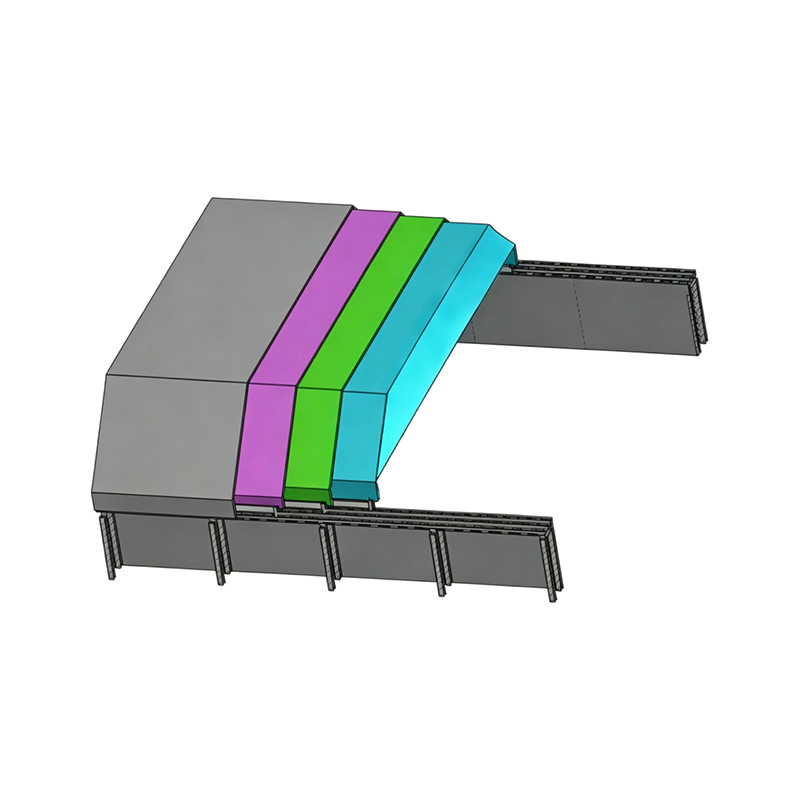

Tornado Smoke Hood
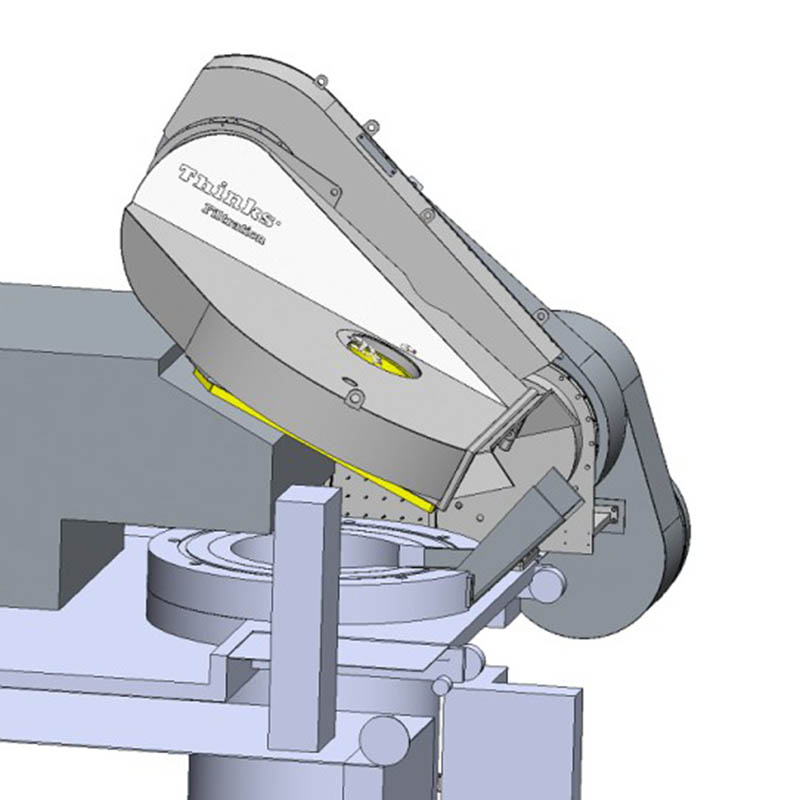
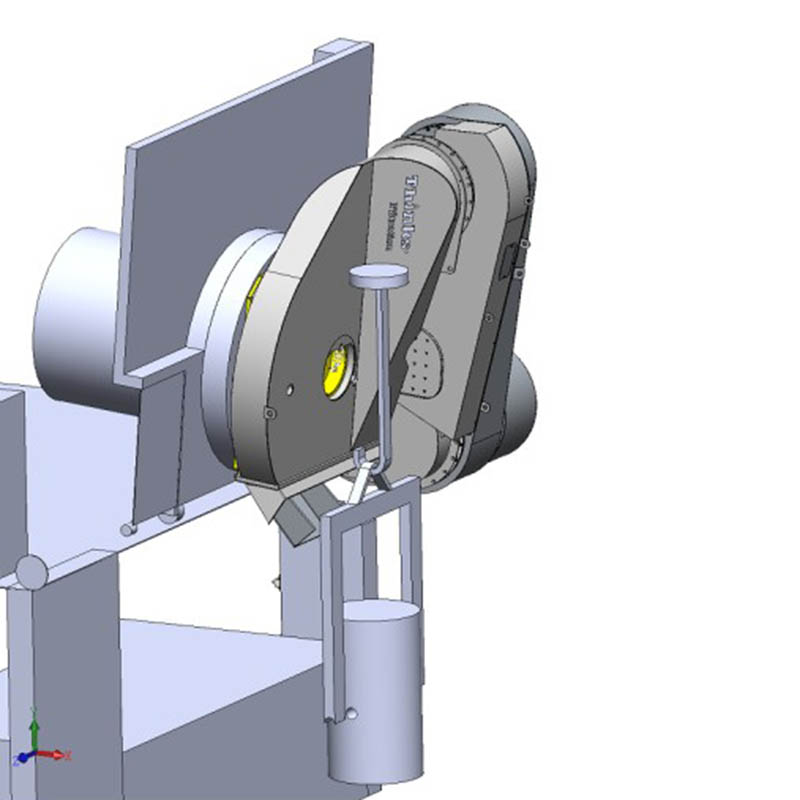
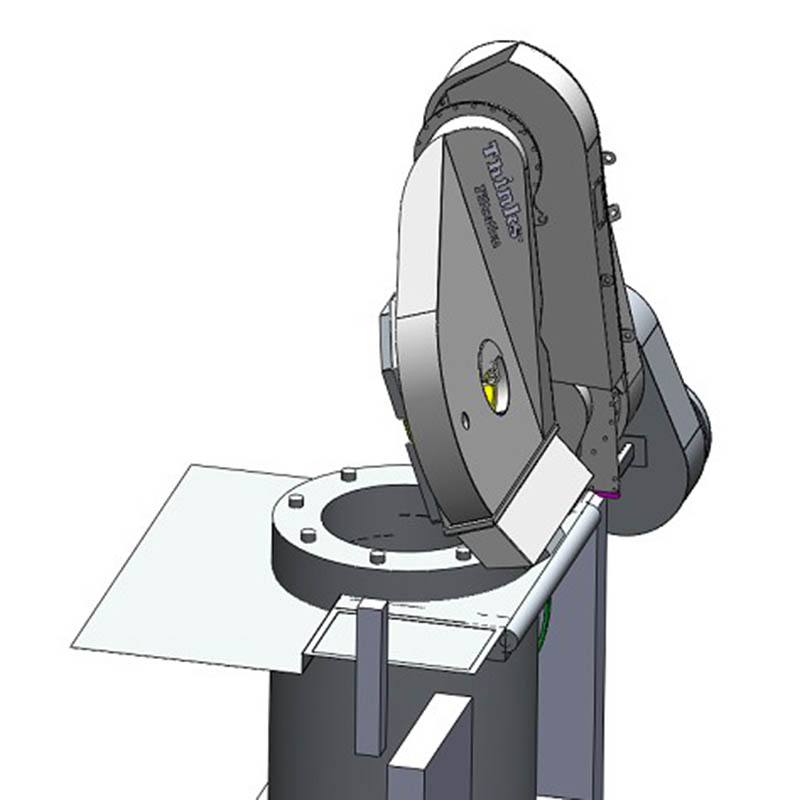
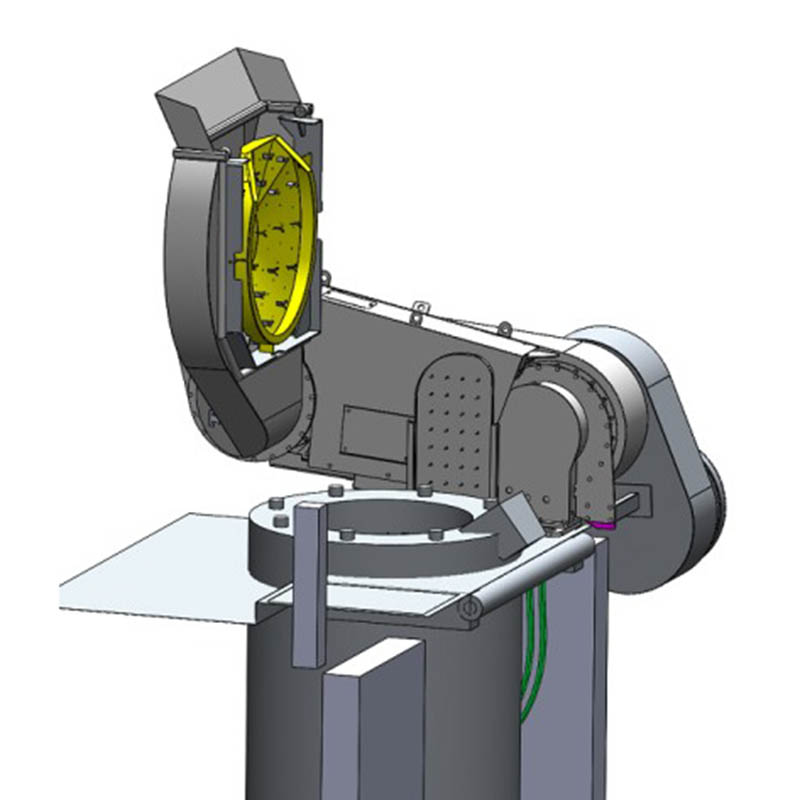
The Medium Frequency Furnace Hood, also known as the Tornado Smoke Hood, is a core piece of equipment in the smelting system. Its design and performance directly impact the smoke capture efficiency, smelting efficiency, energy consumption levels, production safety, and the life of the furnace lining.
It is capable of meeting the smoke capture and production needs for all operational conditions, including electric furnace charging, slag removal, molten iron tapping, iron reprocessing, and furnace lining replacement. We offer customized solutions to meet specific requirements, with professional designs that effectively reduce pressure loss, save energy, and ensure stable and reliable product quality. All products are fully tested before shipment.
- Contact Us
Changzhou Thinks Environmental Technology Co., Ltd.
Changzhou Thinks Environmental Technology Co., Ltd. is a system supplier specializing in industrial air pollution control. We are China Tornado Smoke Hood Manufacturers and OEM/ODM Tornado Smoke Hood Factory.Relying on independently developed high-quality products, we provide customers with world-class product technology and solutions.Thinks has global service capabilities and its products are exported to North America, Europe, Africa, Southeast Asia and other regions. Its main service areas include casting, non-ferrous metals, chemical industry, steel, packaging, printing, pharmaceuticals,new energy and other industries.


-
0 +
Cooperative Clients
-
0 m²
square-meter Self-built Factory
-
0 +
Dust collectors / sets
-
0 +
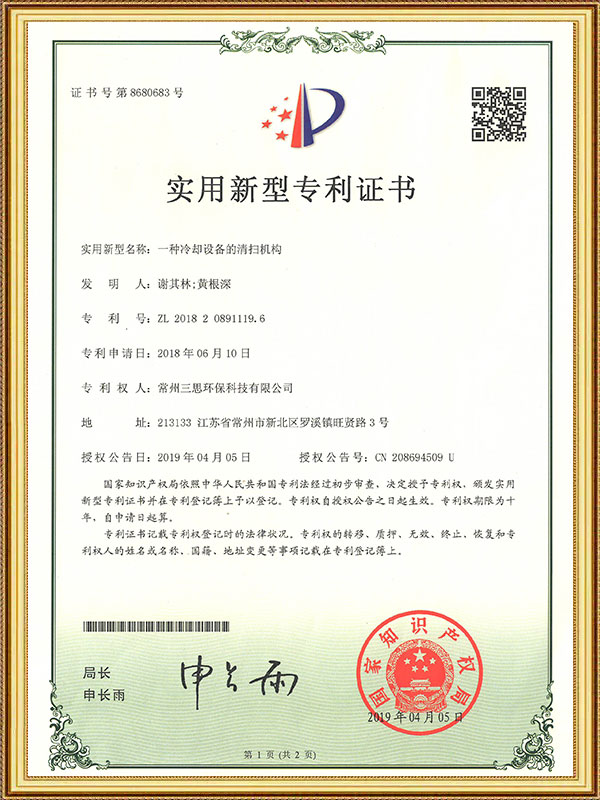
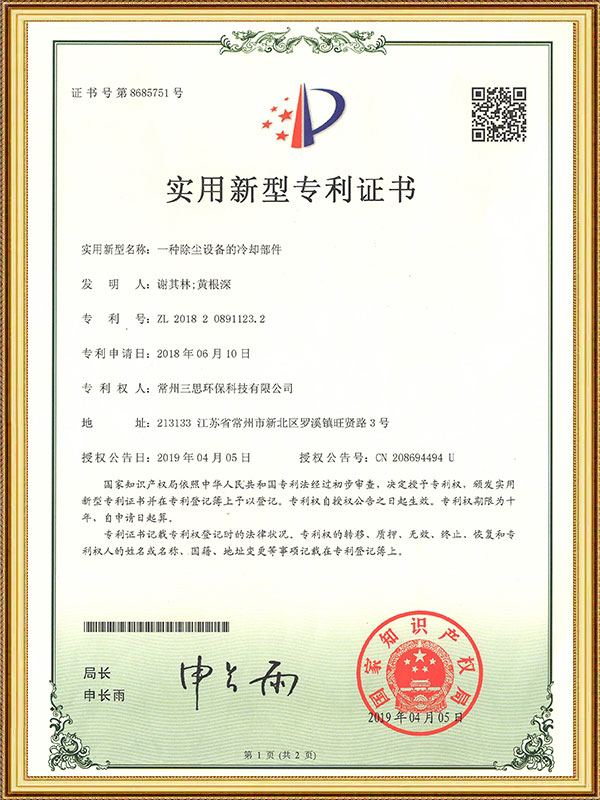
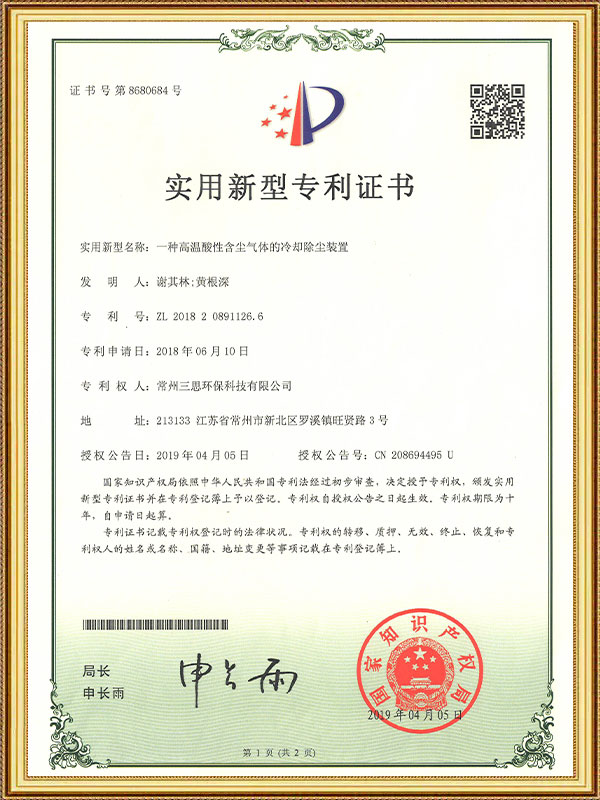
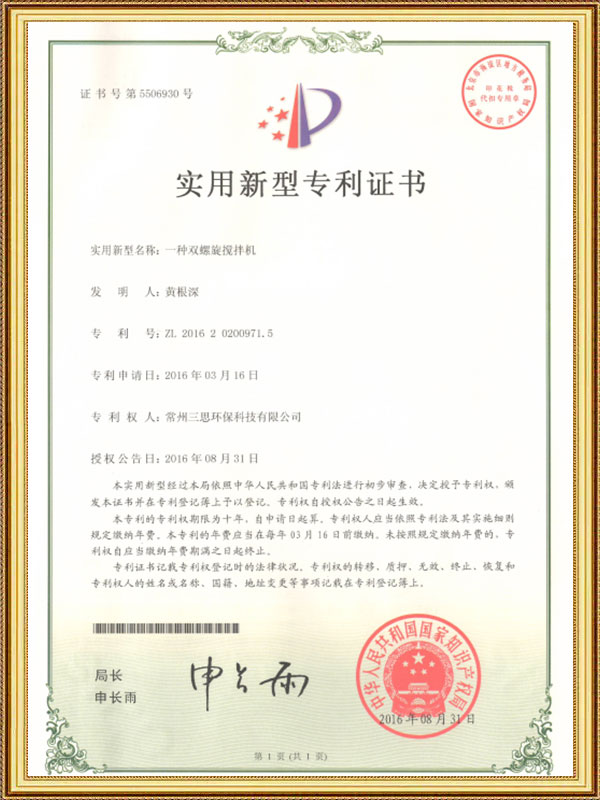
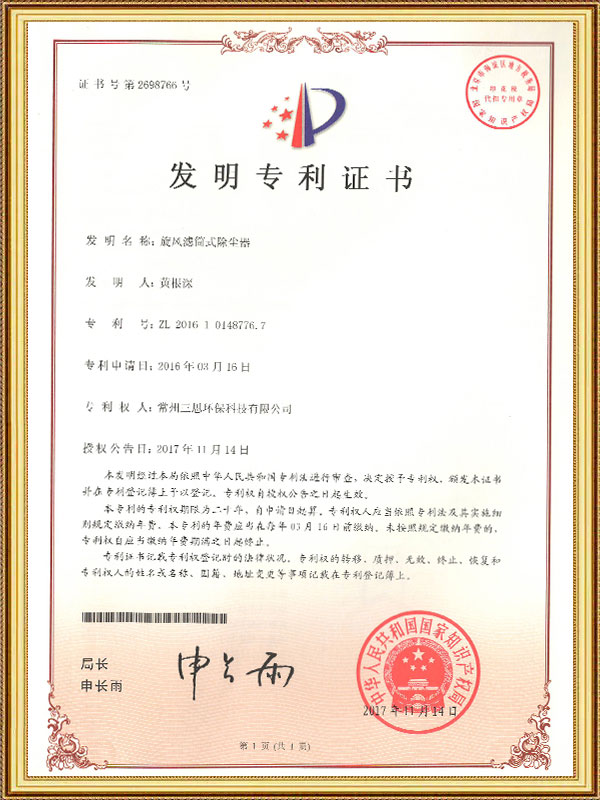
Certificates and Honors
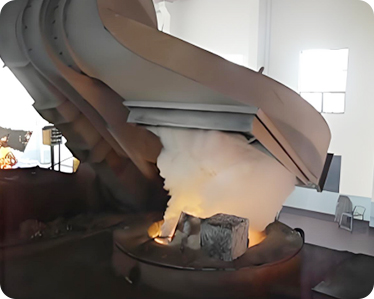
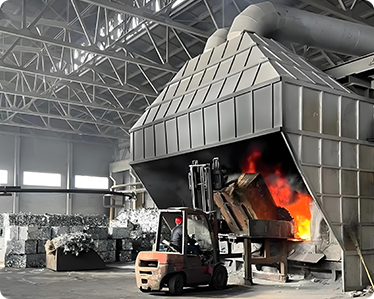
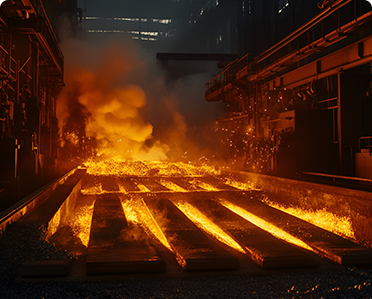

Honorary Certification
Certificates
Latest Updates
What'S News
-
Bag Filter Selection Guide: Media Grade, Air-to-Cloth Ratio and Bag LifeA foundry that replaces its filter bags every eight months is almost never fighting the bags. It is fighting an air-to-cloth ratio set too high during sizing, or a media grade chosen on unit price instead of the gas temperature leaving th...
-
Air Pollution Control Equipment: How to Size, Select and Verify Industrial SystemsTwo cartridge collectors rated at the same 20,000 m3/h sit side by side in a die-casting plant. One holds stack emissions below 10 mg/m3 for three years. The other drifts past 25 mg/m3 within eighteen months. The housings, fan curves and ...
-
Pulse Jet Baghouse: Efficiency, Filter Media, and Maintenance Tips for Longer Bag LifeWhen a gray iron foundry replaced its aging shaker-type collector with a pulse jet baghouse, stack emissions dropped from 38 mg/Nm³ to 6 mg/Nm³ in the first week of operation. That result is typical: a well-designed pulse jet baghouse hol...
-
Oil Mist Recovery System Guide: Selection, Performance, and MaintenanceInside a machining hall with twenty CNC lathes running at 6,000 rpm, the air can hold 5 to 10 mg/m3 of oil aerosol on a busy shift, several times the 0.5 mg/m3 reference value that NIOSH recommends for mineral oil mist. The source is ever...
Tornado Smoke Hood Industry knowledge
1. Complete Industry Guide to Tornado Smoke Hood Technology in Smelting Operations
Industrial air pollution control is a critical factor in modern manufacturing, especially within high-emission sectors like metal casting, steel production, and non-ferrous metal smelting. Among the various technologies used to manage workplace air quality and environmental compliance, the Medium Frequency Furnace Hood, widely known as the Tornado Smoke Hood, stands out as an essential component. This specialized system plays a definitive role in capturing airborne contaminants directly at the source during high-temperature metal processing.
For international industrial procurement managers and factory engineers, understanding the technical mechanics, structural advantages, and operational impacts of a Tornado Smoke Hood is vital for maintaining an efficient, safe, and compliant production facility.
2. The Core Function and Design Philosophy of the Tornado Smoke Hood
In medium frequency induction furnace operations, smoke, dust, and hazardous gases are generated continuously. However, the volume and trajectory of these emissions change drastically depending on the specific phase of the smelting cycle. A standard static collection hood often fails to capture these dynamic emissions efficiently, leading to fugitive dust escaping into the workshop.
The Tornado Smoke Hood solves this challenge through an advanced aerodynamic design. By creating a controlled, rotating air vortex mimicking a natural tornado, the hood generates a powerful localized low-pressure zone directly above the furnace mouth. This vortex mechanism stabilizes the thermal updraft generated by the molten metal, drawing smoke and fine particulate matter into the extraction ductwork before it can disperse into the surrounding environment.
This dynamic capture capability is essential because smelting involves several distinct operational phases, each presenting unique physical obstacles for air collection systems:
- Charging Phase: When raw scrap metal or ingots are introduced into the furnace, moisture and oils can cause sudden bursts of smoke and flame. The hood must provide maximum suction to handle these instantaneous volume peaks.
- Slag Removal: Workers must access the furnace surface to clear impurities. The hood design must allow physical clearance for tools while maintaining a strong lateral or angled suction barrier to protect personnel from heat and fumes.
- Tapping Phase: Tilting the furnace to pour out molten iron or steel alters the emission point entirely. The Tornado Smoke Hood is designed to swivel or tilt in tandem with the furnace body, ensuring unbroken capture efficiency even at extreme angles.
- Furnace Lining Replacement: Maintenance requires full access to the interior of the equipment. The collection hood must be engineered to move completely out of the workspace without disrupting the main duct connections.
3. Comparative Analysis of Smelting Hood Technologies
To understand why the Tornado Smoke Hood represents a premier choice for industrial air quality management, it is useful to compare its performance features against traditional alternatives commonly found in older or lower-specification factories.
The table below outlines the key operational differences between standard fixed hoods, generic moveable canopy hoods, and the advanced Tornado Smoke Hood.
| Hood Type | Capture Efficiency Across All Phases | Energy Consumption Level | Maintenance and Lining Access | Workshop Air Quality Impact |
|---|---|---|---|---|
| Standard Fixed Hood | Poor during the tilting and tapping phases | High due to unoptimized air volume | Difficult requires total dismantling | Moderate to low compliance rates |
| Generic Canopy Hood | Moderate fails during heavy slagging | Medium requires high static pressure | Fair requires manual clearing of space | Inconsistency creates fugitive dust pockets |
| Tornado Smoke Hood | Excellent continuous capture at all angles | w optimized aerodynamic design | Superior full swivel and tilt clearance | High ensures strict environmental compliance |
4. Key Engineering Parameters for Optimization
Implementing an effective industrial ventilation system requires precise calculation of several engineering factors. When matching a Tornado Smoke Hood to a medium frequency induction furnace system, engineering teams evaluate three main parameters to ensure long-term stability and energy savings:
Fluid Flow and Pressure Drop Reduction
Every bend, restriction, and transition in an exhaust hood introduces resistance to air movement, known as pressure drop. High pressure drop forces the main centrifugal fan to work harder, dramatically increasing electricity consumption. Advanced Tornado Smoke Hood designs prioritize smooth internal contours and mathematically optimized expansion chambers. This professional structural engineering minimizes internal turbulence, reducing overall system pressure loss and allowing factories to achieve higher capture velocities using smaller, energy-efficient motors.
Thermal Resistance and Structural Integrity
The air rising directly from a smelting furnace can easily exceed several hundred degrees Celsius. Exhaust hoods must be constructed from heavy-gauge, heat-resistant steel alloys or incorporate water-cooled panels to prevent thermal deformation and warping over time. Ensuring structural integrity under cyclical thermal stress guarantees that the hood maintains its precise aerodynamic clearances throughout its operational lifespan.
Sealing and Mechanical Reliability
Because the hood must move during tapping and maintenance, the rotating joints, swivels, and sealing gaskets are subject to constant mechanical wear. High-quality manufacturing utilizes robust bearings and temperature-resistant seals to prevent ambient air from leaking into the system, which would otherwise dilute the exhaust gas stream and reduce the capture velocity at the furnace mouth.
5. Our Professional Service Advantages
Changzhou Thinks Environmental Technology Co., Ltd. serves as a global system supplier dedicated to delivering world-class industrial air pollution control solutions. Our approach ensures that every client receives a highly reliable system tailored to their specific operational realities.
- Independent Research and Development: Our product portfolio relies entirely on proprietary designs developed by our in-house engineering experts. We focus on optimizing aerodynamics to deliver industry-leading capture efficiency while minimizing operational energy costs.
- Comprehensive Customization: We recognize that no two smelting workshops are identical. We provide fully customized Tornado Smoke Hood configurations designed around your furnace capacity, workshop ceiling height, crane clearance, and specific material handling workflows.
- Global Service Capabilities: With an established export footprint spanning North America, Europe, Africa, and Southeast Asia, we possess the logistical expertise and technical support networks required to manage international industrial projects smoothly.
- Strict Quality Assurance: To guarantee stable and reliable performance in harsh foundry environments, every single Tornado Smoke Hood undergoes comprehensive structural, mechanical, and airflow testing before it leaves our manufacturing facility.
- Cross-Industry Expertise: Beyond traditional metal casting and steel production, our systems are successfully deployed in non-ferrous metals, chemicals, packaging, printing, pharmaceuticals, and the rapidly growing new energy sector.
6. Frequently Asked Questions
How does the Tornado Smoke Hood save energy compared to traditional exhaust systems?
The system utilizes an aerodynamic vortex design that concentrates suction power precisely where the smoke is generated. Because the air capture is highly targeted, the system can achieve superior pollutant containment using a lower total volume of air. This reduces the load on the main extraction fan, resulting in substantial electricity savings over time.
Can this hood handle the extreme movement involved in molten iron tapping?
Yes. The hood is engineered with a multi-axis rotation or tilt mechanism that syncs with the physical movement of the medium frequency furnace. This ensures that whether the furnace is upright for charging or fully tilted for pouring molten metal, the hood inlet remains positioned to collect emissions perfectly.
What industries benefit most from this specific air pollution control technology?
While primarily designed for metal casting, steel manufacturing, and non-ferrous metal smelting workshops, the underlying air capture principles are highly effective for any heavy industrial process involving high-temperature thermal updrafts, heavy particulate emissions, or localized chemical fumes.
How is the product tested before international shipment?
Every unit fabricated by Changzhou Thinks Environmental Technology Co., Ltd. undergoes a rigorous pre-shipment testing protocol. This includes structural integrity inspections, mechanical movement verification for swivels and hinges, and airflow pressure testing to ensure the equipment meets all performance specifications before delivery.
What information is required to receive a customized design proposal?
To create a tailored solution, our engineering team requires basic details regarding your induction furnace capacity, the types of metals being smelted, your typical material charging methods, available physical space inside the workshop, and your local environmental emission standards.
 From concept to production, we can
create the products you want.
From concept to production, we can
create the products you want.

PRODUCTION LINE
Flat Bag Dust Collector Cartridge Dust Collector Oil Mist Processor Explosion-Proof Wet Dust Collector High Vacuum Dust Collector Auxiliary EquipmentCONTACT INFO
WhatsApp:+86 15295158465 E-mail:[email protected] Add: No. 3 Wangxian Road, Airport Industrial Park, Xinbei District, Changzhou City
Copyright © Changzhou Thinks Environmental Technology Co., Ltd. All Rights
Reserved.
Wholesale Tornado Smoke Hood Manufacturers
