


 English
  عربى
عربى  Español
  中文简体
中文简体
 Explosion Proof Wet Dust Collector Suppliers
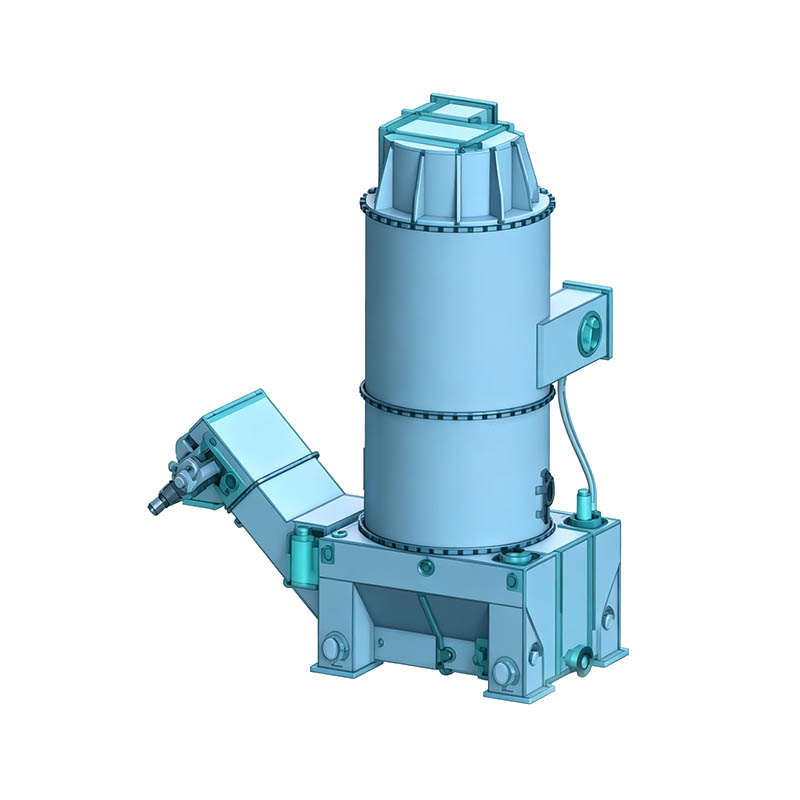
Explosion-proof wet scrubbers are designed according to explosion-proof standards, employing explosion-proof components and wet scrubbing principles, ensuring reliable explosion-proof performance and stable dust removal efficiency. They feature overall sealing, making them suitable for flammable and explosive dust environments. The equipment operates stably, is easy to maintain, has strong corrosion resistance, and is equipped with an intelligent monitoring system to ensure production safety and compliance with emission standards.
Changzhou Thinks Environmental Technology Co., Ltd.
Changzhou Thinks Environmental Technology Co., Ltd. is a system supplier specializing in industrial air pollution control. We are China Wholesale Explosion Proof Wet Dust Collector Suppliers and OEM/ODM Explosion Proof Wet Dust Collector Company. Relying on independently developed high-quality products, we provide customers with world-class product technology and solutions. Thinks has global service capabilities and its products are exported to North America, Europe, Africa, Southeast Asia and other regions. Its main service areas include casting, non-ferrous metals, chemical industry, steel, packaging, printing, pharmaceuticals,new energy and other industries.
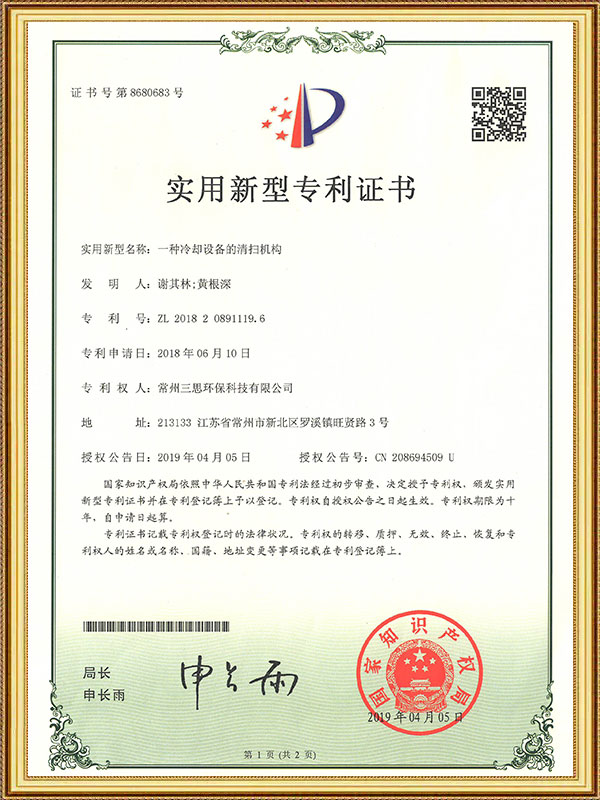
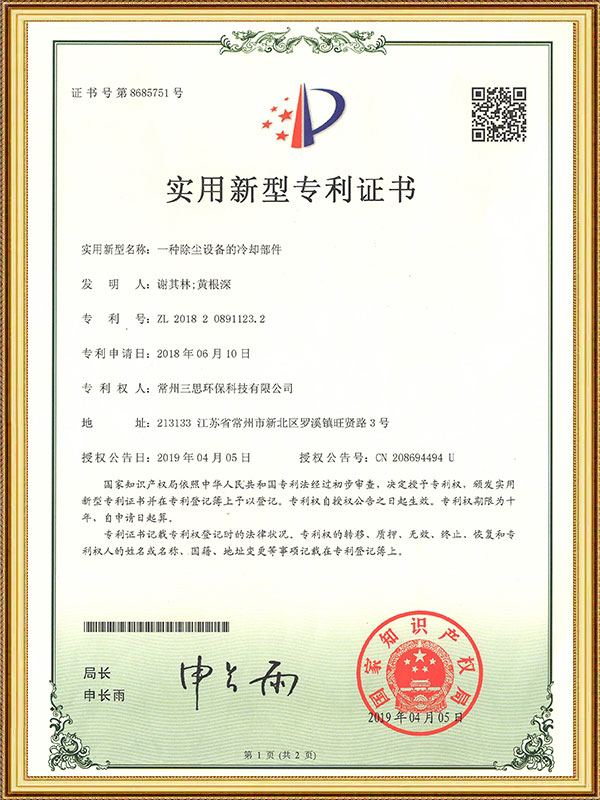
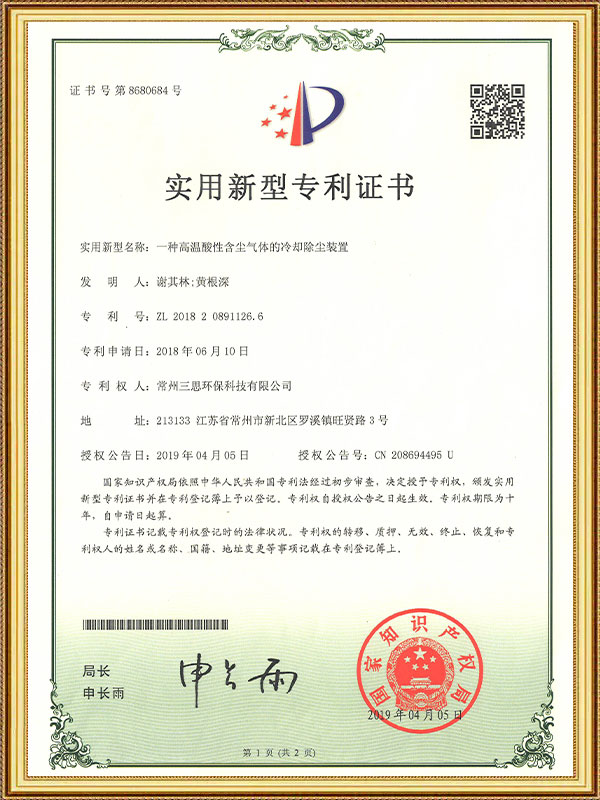
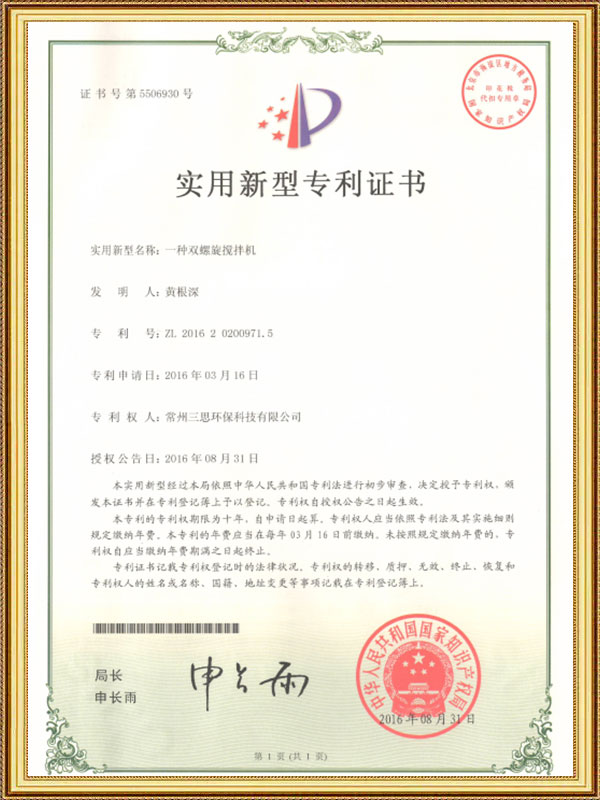
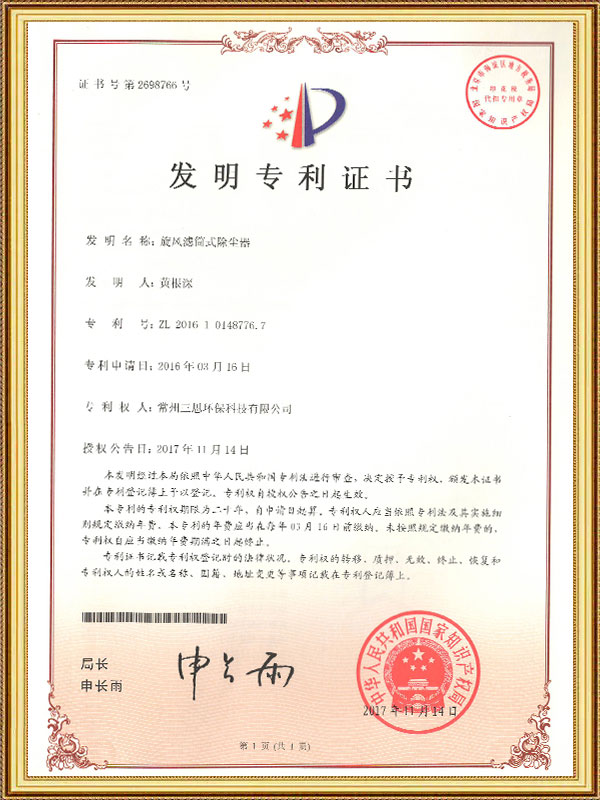
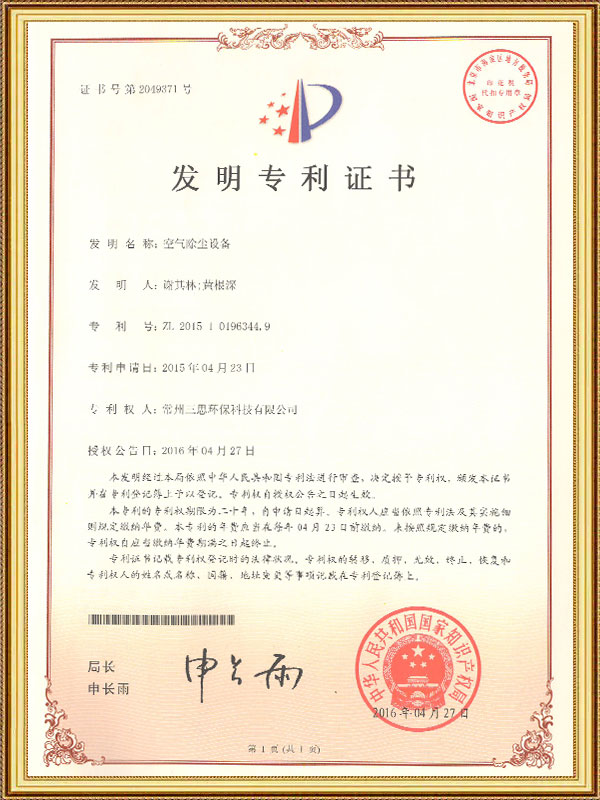
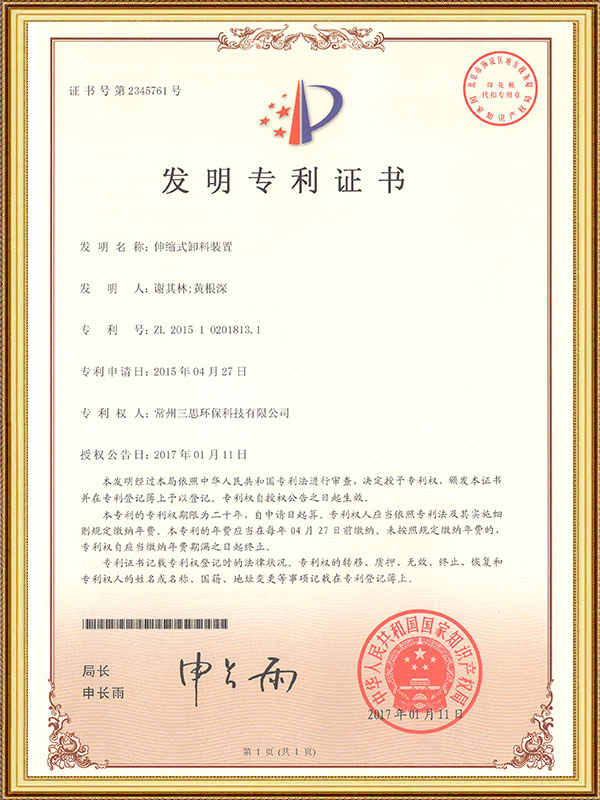
Honorary Certification
Certificates
Latest Updates
What'S News
-
Bag Filter Selection Guide: Media Grade, Air-to-Cloth Ratio and Bag LifeA foundry that replaces its filter bags every eight months is almost never fighting the bags. It is fighting an air-to-cloth ratio set too high during sizing, or a media grade ch...
-
Air Pollution Control Equipment: How to Size, Select and Verify Industrial SystemsTwo cartridge collectors rated at the same 20,000 m3/h sit side by side in a die-casting plant. One holds stack emissions below 10 mg/m3 for three years. The other drifts past 25...
-
Pulse Jet Baghouse: Efficiency, Filter Media, and Maintenance Tips for Longer Bag LifeWhen a gray iron foundry replaced its aging shaker-type collector with a pulse jet baghouse, stack emissions dropped from 38 mg/Nm³ to 6 mg/Nm³ in the first week of operation. Th...
-
Oil Mist Recovery System Guide: Selection, Performance, and MaintenanceInside a machining hall with twenty CNC lathes running at 6,000 rpm, the air can hold 5 to 10 mg/m3 of oil aerosol on a busy shift, several times the 0.5 mg/m3 reference value th...
-
Explosion Proof Wet Dust Collector Guide: Safety, Selection & ComplianceA grinding cell finishing aluminum housings produces a fine metallic dust that settles on every beam, cable tray and filter pocket in the room. One stray spark inside a dry dust ...
Explosion-Proof Wet Dust Collector Industry knowledge
Mandatory Differences Between Explosion Proof Wet Dust Collector and Ordinary Wet Dust Collector in Structural Design and Safety Certification
As a system supplier specializing in industrial air pollution control, Changzhou Thinks Environmental Technology Co., Ltd. relies on independently developed high-quality products to provide world-class technology and solutions. With global service capabilities, its products are exported to North America, Europe, Africa, Southeast Asia and other regions, serving industries including casting, non-ferrous metals, chemical, steel, packaging, printing, pharmaceutical, new energy and more. Below is a detailed comparison of mandatory differences between explosion proof wet dust collectors and ordinary wet dust collectors.
I. Mandatory Structural Design Differences
- Housing Thickness & Material: Ordinary wet dust collectors typically use 2-3mm carbon steel. Explosion proof units require 4-6mm thick steel or stainless steel with reinforced ribs to withstand explosion overpressure (typically 0.5-1.0 bar).
- Explosion Venting Panel: Explosion proof units are mandatory equipped with certified explosion venting panels (burst pressure ≤0.1 bar) on the housing or duct connection. Ordinary units have no venting requirement.
- Flame Arrestor Design: Explosion proof wet dust collectors incorporate inlet flame arrestors with fine mesh (≤0.5mm) or crimped ribbon design to quench any flame propagation back to the process. Ordinary units lack flame arrestors.
- Isolation Valve: Explosion proof units require certified explosion isolation valves (mechanical or chemical barrier type) on inlet and outlet ducts to prevent flame spread. Ordinary units have no isolation requirement.
- Static Grounding: Explosion proof units mandate continuous static grounding chains and grounding lugs with resistance <10 ohms. All internal components must be conductive or anti-static. Ordinary units have basic grounding only.
- Sludge Discharge System: Explosion proof units require air-lock rotary valves or double-flap gates on sludge outlets to prevent flame transmission. Ordinary units may use simple drain valves.
II. Safety Certification Mandatory Differences
- Ordinary Wet Dust Collector: Typically requires only general equipment safety certifications (e.g., CE marking for machinery safety, UL 508A for control panels). No specific explosion protection certification needed.
- Explosion Proof Wet Dust Collector: Must obtain mandatory explosion protection certifications based on target market region:
- Europe: ATEX 2014/34/EU certification (Category 2D or 1D for dust zones 21/20)
- North America: NEC 500 / Class II, Division 1 or 2 certification, plus compliance with NFPA 68 (venting) and NFPA 69 (isolation)
- International: IECEx certification (Zone 21 or 22 for combustible dusts)
- Component-Level Certification: Each explosion-critical component (venting panel, isolation valve, flame arrestor) must carry individual component certification from an approved notified body. Ordinary units require no component-level explosion certification.
- Nameplate Markings: Explosion proof units must have permanently affixed nameplates showing EX mark, certification number, maximum explosion pressure rating, and venting area. Ordinary units have basic equipment nameplates only.
III. Key Parameter Comparison Table
The following table compares mandatory parameters between ordinary wet dust collectors and explosion proof wet dust collectors based on data from Changzhou Thinks Environmental Technology Co., Ltd.:
| Housing Thickness (mm) | 2-3 mm carbon steel | 4-6 mm steel with ribs |
|---|---|---|
| Explosion Venting Panel | Not required | Mandatory (burst ≤0.1 bar) |
| Flame Arrestor (Inlet) | No | Mandatory (mesh ≤0.5mm) |
| Explosion Isolation Valve | No | Mandatory (certified barrier type) |
| Static Grounding Resistance | <10 ohms (basic) | <10 ohms with continuous monitoring |
| Sludge Discharge Flame Barrier | Simple drain valve | Air-lock rotary valve or double-flap gate |
| ATEX / IECEx Certification | Not applicable | Mandatory (Cat 2D/1D for Zone 21/20) |
| Maximum Allowable Explosion Pressure (Pmax) | Not rated | ≥0.5 bar (tested) |
IV. Why These Differences Matter – Combustible Dust Example
In aluminum polishing or lithium battery material processing, ordinary wet dust collectors lack venting panels and flame arrestors. A deflagration event would rupture the housing (causing shrapnel) and propagate flames back to the production line. Explosion proof units from Changzhou Thinks Environmental Technology Co., Ltd. are designed to contain, vent safely, and isolate any explosion, protecting personnel and equipment.
V. FAQs
FAQ 1: Can I simply add explosion venting panels to my existing ordinary wet dust collector to make it “explosion proof”?
No. Retrofitting venting panels alone does not meet mandatory certification requirements. True explosion proof design requires reinforced housing, certified flame arrestors, explosion isolation valves, static grounding monitoring, and certified sludge discharge barriers. Changzhou Thinks Environmental Technology Co., Ltd. offers a complete range of certified explosion proof wet dust collectors designed and tested to ATEX, IECEx, and NFPA standards for turnkey safety compliance.
FAQ 2: What certifications should I require when purchasing an explosion proof wet dust collector for my chemical or pharmaceutical facility?
Based on global installation experience from Changzhou Thinks Environmental Technology Co., Ltd., you should require: (1) ATEX 2014/34/EU Certificate for dust explosion protection (Category 2D minimum for Zone 21); (2) Component certificates for venting panels and isolation valves from a notified body (e.g., IBExU, DEKRA, CSA); (3) Compliance with local electrical codes (NEC 500 for North America or IEC 60079 for international). Always request full documentation including Declaration of Conformity and explosion protection manual.
FAQ 3: How do I calculate the required explosion venting area for a wet dust collector processing magnesium or titanium alloy dust?
Venting area must be calculated per NFPA 68 or EN 14491 using the formula: Av = C × A × (Pred)^(-0.5) where C depends on dust Kst value (magnesium Kst > 200 bar·m/s), A is enclosure internal surface area, and Pred is reduced pressure (typically 0.1-0.2 bar). Changzhou Thinks Environmental Technology Co., Ltd. performs engineering calculations and provides stamped venting area certifications for each unit based on your specific dust explosion characteristics. Contact their engineering team for a customized safety assessment.
 From concept to production, we can
create the products you want.
From concept to production, we can
create the products you want.

PRODUCTION LINE
Flat Bag Dust Collector Cartridge Dust Collector Oil Mist Processor Explosion-Proof Wet Dust Collector High Vacuum Dust Collector Auxiliary EquipmentCONTACT INFO
WhatsApp:+86 15295158465 E-mail:[email protected] Add: No. 3 Wangxian Road, Airport Industrial Park, Xinbei District, Changzhou City
Copyright © Changzhou Thinks Environmental Technology Co., Ltd. All Rights
Reserved.
Wholesale Explosion Proof Wet Dust Collector Suppliers
