


 English
  عربى
عربى  Español
  中文简体
中文简体
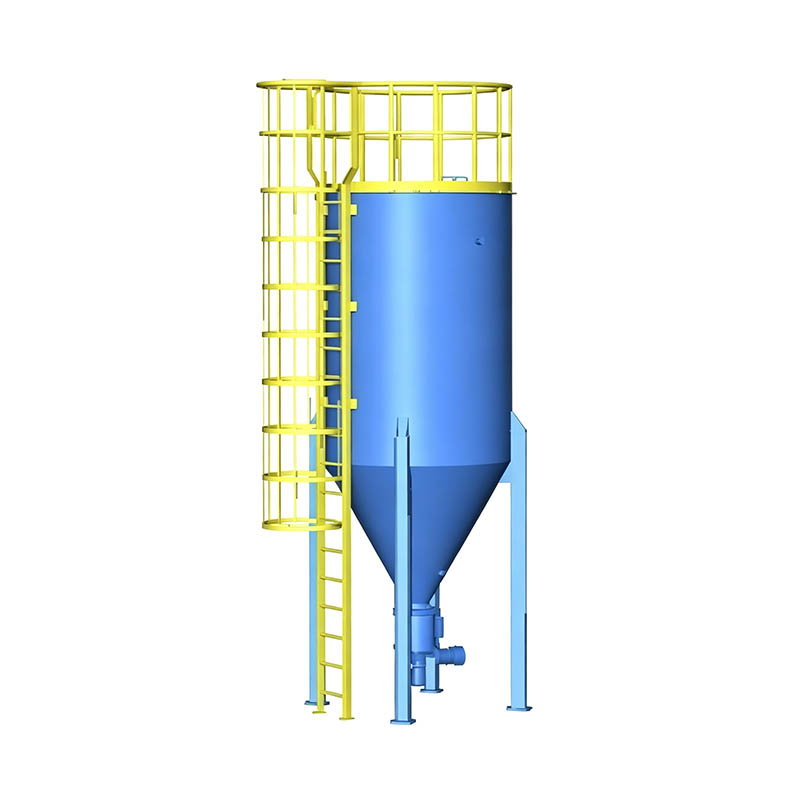
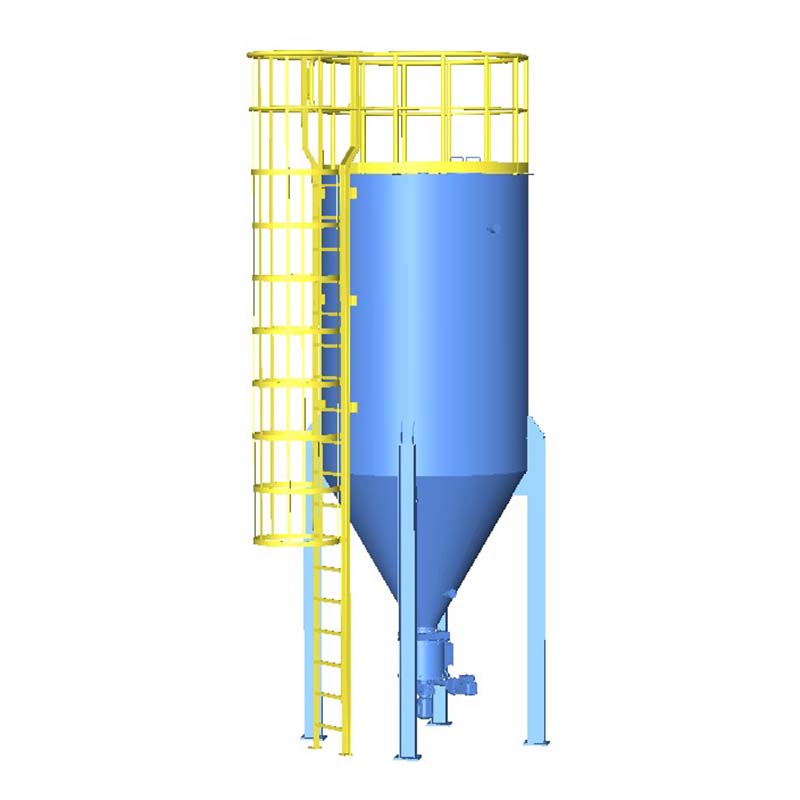
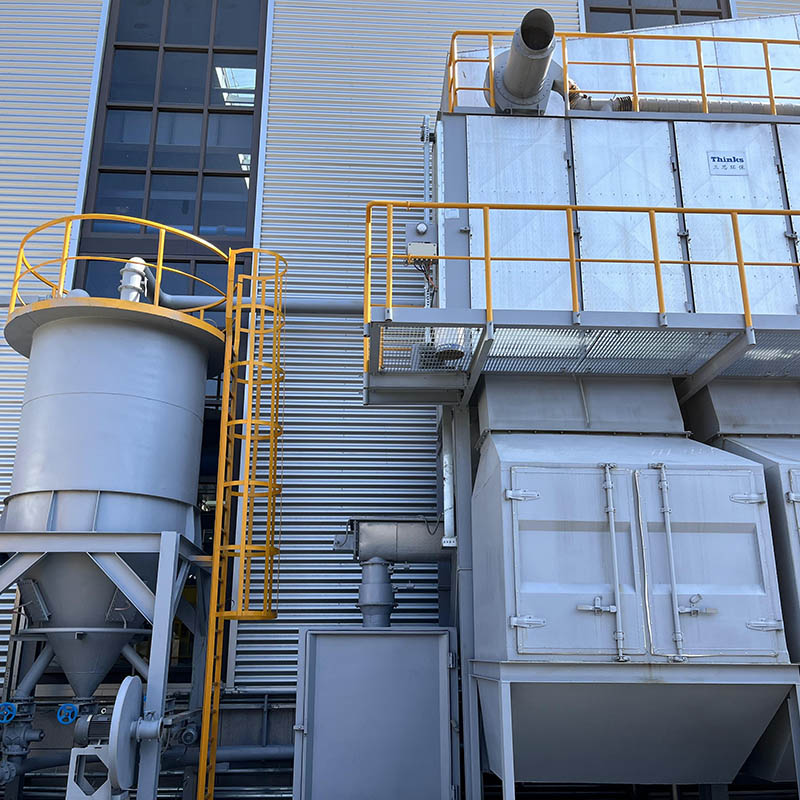
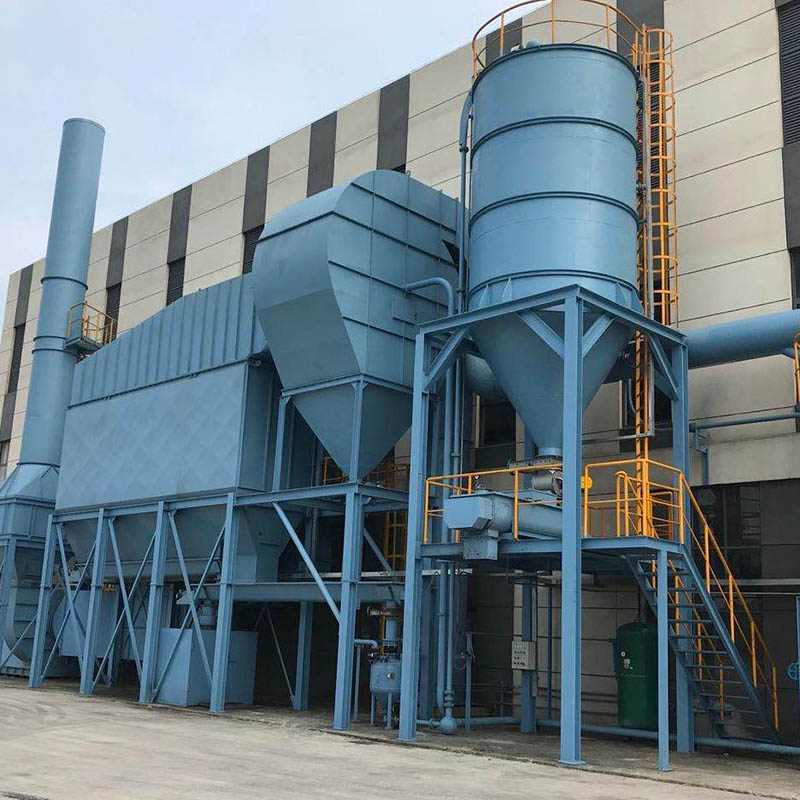
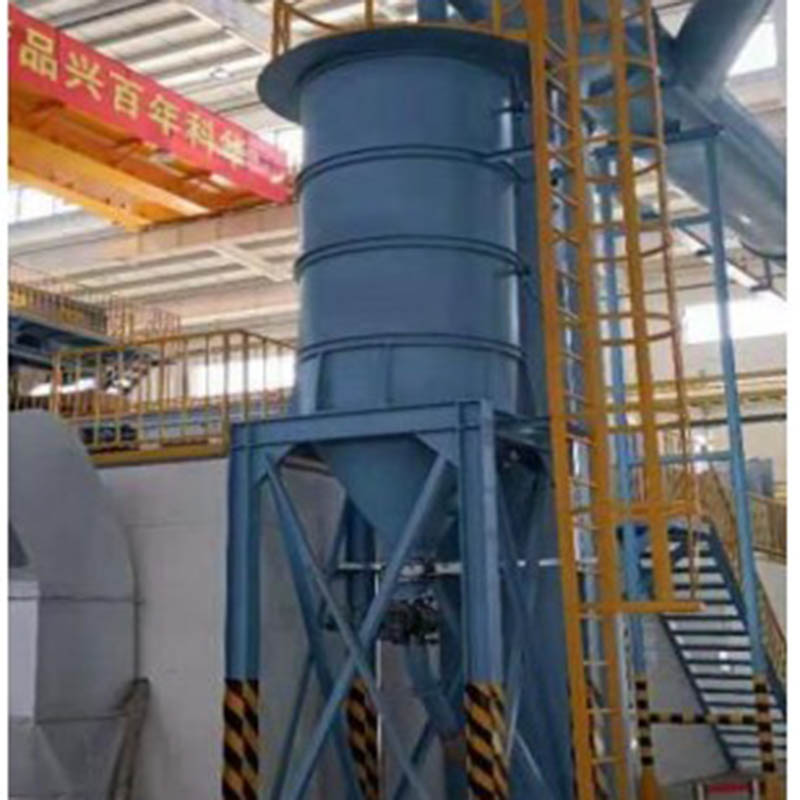
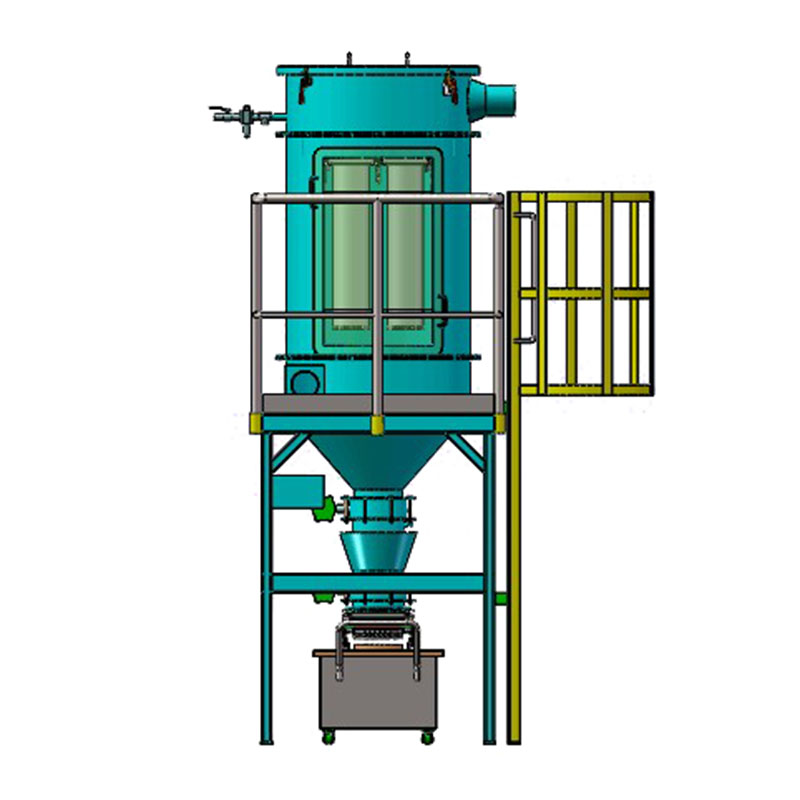

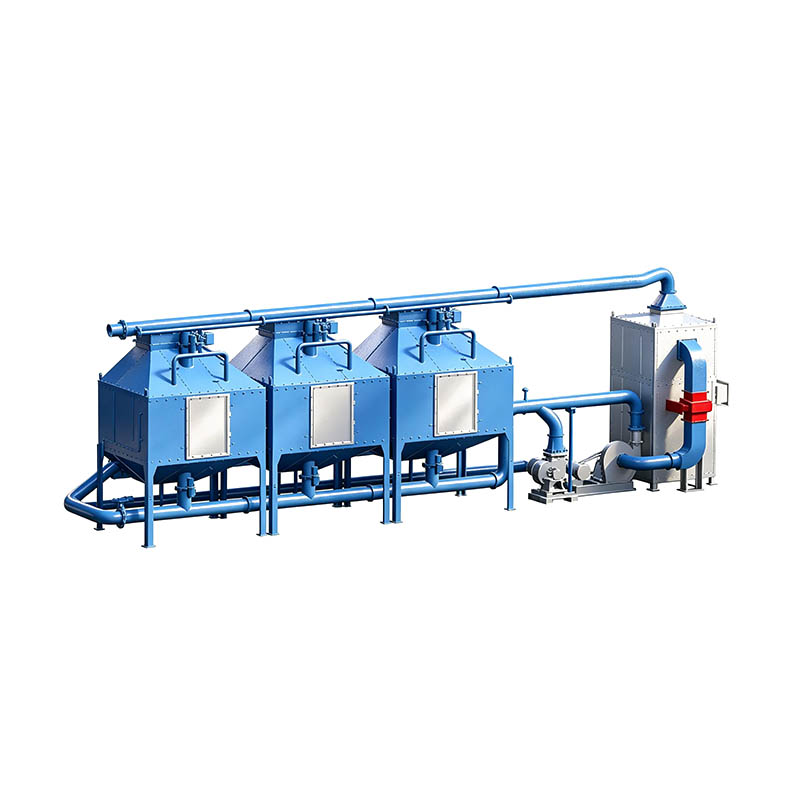
Additive Dosing System
The Additive dosing system is used to feed additives (lime etc) into the upstream of the dust collector system, to improve the filtration condition of the dust collector. it can be different design base on different application, different additive and different installation.
Its advantages and features include:
1. Preventing bag sticking and compaction, improving equipment stability;
2. Neutralizing acidic gases, protecting the dust removal system;
3. Reducing equipment resistance, saving energy consumption;
4. Easy to clean, improving cleaning efficiency;
5. Extending the service life of filter bags.
- Contact Us
Changzhou Thinks Environmental Technology Co., Ltd.
Changzhou Thinks Environmental Technology Co., Ltd. is a system supplier specializing in industrial air pollution control. We are China Additive Dosing System Manufacturers and OEM/ODM Additive Dosing System Factory.Relying on independently developed high-quality products, we provide customers with world-class product technology and solutions.Thinks has global service capabilities and its products are exported to North America, Europe, Africa, Southeast Asia and other regions. Its main service areas include casting, non-ferrous metals, chemical industry, steel, packaging, printing, pharmaceuticals,new energy and other industries.

-
0 +
Cooperative Clients
-
0 m²
square-meter Self-built Factory
-
0 +
Dust collectors / sets
-
0 +
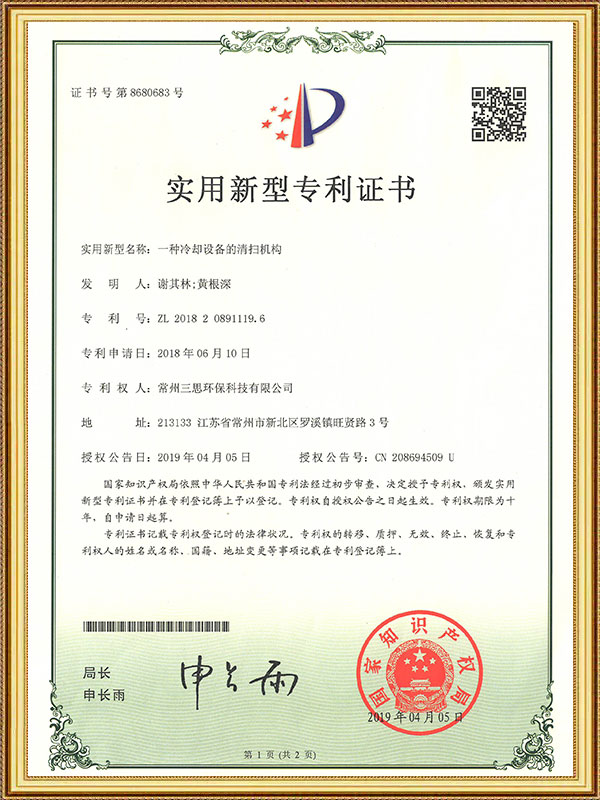
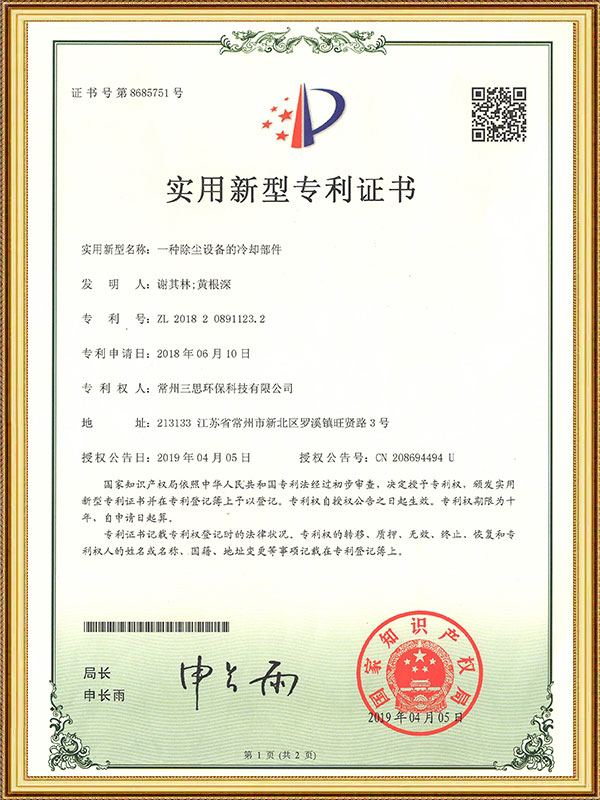
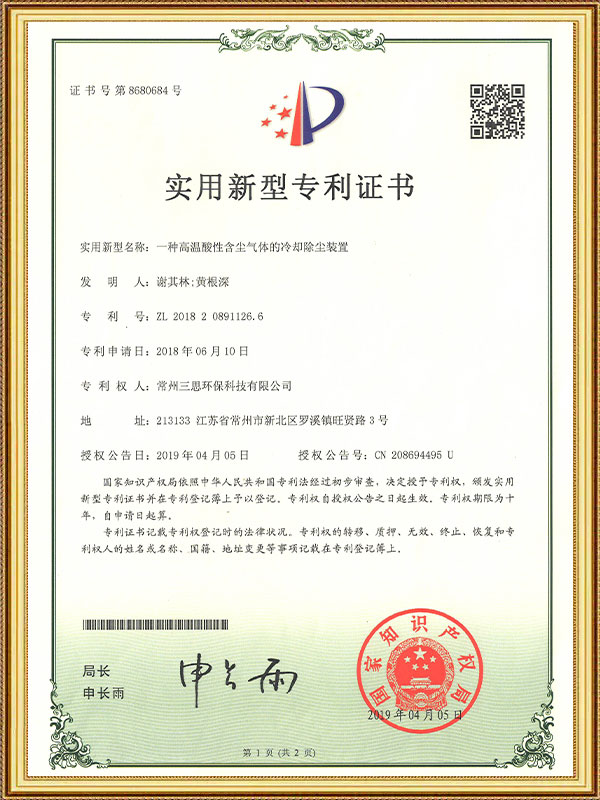
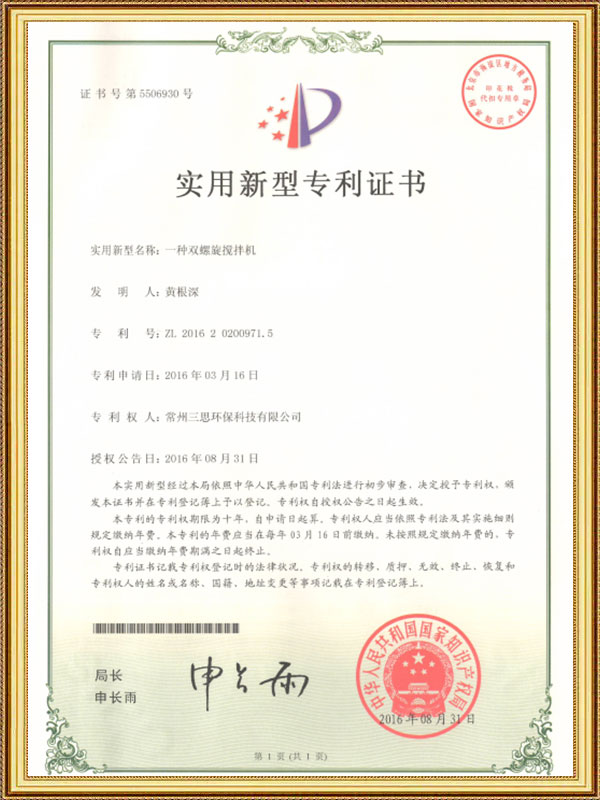
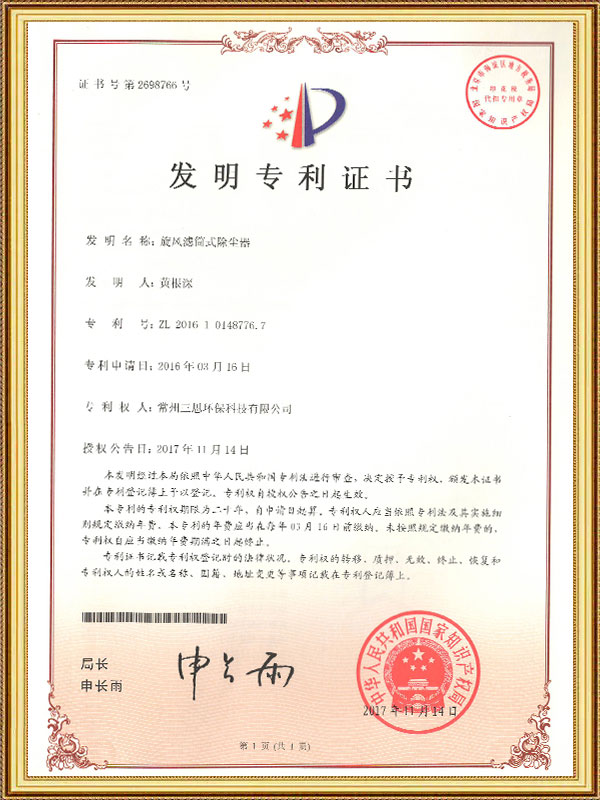
Certificates and Honors

Honorary Certification
Certificates
Latest Updates
What'S News
-
Bag Filter Selection Guide: Media Grade, Air-to-Cloth Ratio and Bag LifeA foundry that replaces its filter bags every eight months is almost never fighting the bags. It is fighting an air-to-cloth ratio set too high during sizing, or a media grade chosen on unit price instead of the gas temperature leaving th...
-
Air Pollution Control Equipment: How to Size, Select and Verify Industrial SystemsTwo cartridge collectors rated at the same 20,000 m3/h sit side by side in a die-casting plant. One holds stack emissions below 10 mg/m3 for three years. The other drifts past 25 mg/m3 within eighteen months. The housings, fan curves and ...
-
Pulse Jet Baghouse: Efficiency, Filter Media, and Maintenance Tips for Longer Bag LifeWhen a gray iron foundry replaced its aging shaker-type collector with a pulse jet baghouse, stack emissions dropped from 38 mg/Nm³ to 6 mg/Nm³ in the first week of operation. That result is typical: a well-designed pulse jet baghouse hol...
-
Oil Mist Recovery System Guide: Selection, Performance, and MaintenanceInside a machining hall with twenty CNC lathes running at 6,000 rpm, the air can hold 5 to 10 mg/m3 of oil aerosol on a busy shift, several times the 0.5 mg/m3 reference value that NIOSH recommends for mineral oil mist. The source is ever...
Additive Dosing System Industry knowledge
1. Introduction to Additive Dosing Technology in Industrial Filtration
In modern industrial manufacturing, managing emissions and maintaining clean air standards is a primary operational requirement. Fabric filter baghouses and dust collection systems serve as the frontline defense against airborne particulate matter. However, many industrial processes release complex exhaust gases that contain not only dry dust but also moisture, sticky hydrocarbons, and corrosive chemical compounds.
When these challenging elements enter a standard dust collector, they can cause severe operational issues. Moisture and oils can cause dust particles to bind together, creating a thick, impermeable crust on the surface of the filter media. This phenomenon is known as bag blinding or bag sticking. Once a filter bag is blinded, the airflow is heavily restricted, pressure drop across the system spikes, energy consumption rises, and the filter bags must be replaced prematurely.
To prevent these costly disruptions, industrial facilities utilize advanced pre-coating and chemical conditioning systems. An Additive Dosing System is a specialized auxiliary system designed to introduce dry, functional powders into the dirty gas ductwork upstream of the main dust collector. By continuously injecting precise amounts of additives such as hydrated lime, calcium carbonate, or activated carbon, the system alters the physical and chemical characteristics of the incoming exhaust stream.
This process creates a porous, protective sacrificial layer on the filter bags, ensuring high gas permeability while shielding the filter media from moisture, oils, and chemical attack. For global industrial enterprises aiming to achieve strict environmental compliance, optimizing this process is essential for long-term operational stability.
2. Technical Operational Mechanism and Structural Design
The operational success of an Additive Dosing System relies on precise engineering and automated material handling. The system must store dry powder additives, meter them with high accuracy, and distribute them evenly across the entire cross-section of the upstream ductwork.
2.1 Material Storage and Discharge
The system begins with a storage unit, typically a bulk silo or a compact surge hopper, depending on the scale of the industrial facility. Because materials like hydrated lime and light calcium carbonate are prone to packing, bridging, and rat holing, these storage units are equipped with discharge aids. Mechanical bin activators, fluidizing cones, or pneumatic aeration pads are used to ensure a consistent, uninterrupted downward flow of the additive into the feeding mechanism.
2.2 Precision Metering Mechanics
At the base of the storage unit sits the metering device, usually a variable speed volumetric or gravimetric screw feeder. This component determines the exact dosage of the additive based on real-time process variables, such as total gas flow volume, pressure drop trends, or pollutant concentrations. Precise dosing prevents both the under-dosing that leads to bag blinding and the wasteful over-dosing that unnecessarily increases consumable costs.
2.3 Pneumatic Conveying and In-Duct Dispersion
Once the additive is metered out, it drops into a pneumatic conveying line. A high-efficiency blower or venturi ejector introduces transport air to carry the powder through piping to the injection point. The injection nozzle is positioned in the upstream ductwork, carefully calculated to allow the powder to fully disperse and mix with the dirty process exhaust before it reaches the inlet chamber of the dust collector.
3. Industrial Additive Dosing System Specifications
The design of an Additive Dosing System must be tailored to the specific volume of air, dust characteristics, and physical layout of the production plant. Below is a comprehensive engineering breakdown of standard configuration frameworks across different industrial scales.
Table 1: Technical Configurations Across Industrial Scales
| Parameter Description | Small-Scale Systems | Medium Scale Systems | Large Scale Systems |
|---|---|---|---|
| Typical Exhaust Gas Volumetric Flow | Up to 30000 cubic meters per hour | 30000 to 100000 cubic meters per hour | Over 100000 cubic meters per hour |
| Additive Storage Capacity Range | 0.5 to 2 cubic meters | 2 to 10 cubic meters | 10 to 50 cubic meters and above |
| Dosing Rate Adjustment Range | 5 to 30 kilograms per hour | 30 to 150 kilograms per hour | 150 to 800 kilograms per hour |
| Standard Conveying Pipe Diameters | 50 millimeters | 80 millimeters | 100 to 150 millimeters |
| Main Compatible Additive Powders | Hydrated Lime, Sodium Bicarbonate | Hydrated Lime, Activated Carbon | Calcium Carbonate, Blended Powders |
| Primary Control Integration Method | Local Control Panel with PLC | Integrated PLC with Modbus | Full DCS Integration with SCADA |
| Common Industrial Applications | Small Foundry Areas, Print Shops | Medium Chemical Plants, Steels | Large Foundries, New Energy Facilities |
4. Key Cross-Industry Applications and Solutions
Different manufacturing sectors face unique challenges regarding air emissions. A versatile Additive Dosing System can be adjusted to address the specific waste gas compositions found across these varied fields.
4.1 Metal Casting and Foundry Operations
Foundries generate complex emissions during sand mold preparation, core making, and metal melting. The exhaust often contains a mix of dry metallic dust, sticky organic binders, and resins volatilized by high temperatures. Without intervention, these resins condense on filter bags, creating an impermeable layer. Injecting calcium carbonate or lime coats these sticky particles in flight, preventing them from adhering directly to the fabric fibers and ensuring easy removal during pulse jet cleaning cycles.
4.2 Non-Ferrous Metals and Steel Manufacturing
Smelting and refining processes release high-temperature gases laden with fine particulate matter alongside acidic gases such as sulfur dioxide and hydrogen chloride. When these gases cool down near the dew point, they can form acids that corrode the internal steel structures of baghouses and weaken synthetic filter fabrics. The introduction of dry alkaline sorbents via the dosing system neutralizes these acids before they reach the filter chamber, protecting both equipment and the environment.
4.3 Chemical and Pharmaceutical Processing
Chemical manufacturing frequently involves moisture-heavy or hygroscopic dust that absorbs water from the air, causing the particles to swell and harden on filter media. Continuous conditioning with dry additives keeps the dust layer porous. Additionally, in processes involving volatile organic compounds, specialized additives like activated carbon can be metered in to adsorb gaseous pollutants alongside particulate capture.
4.4 New Energy and Battery Material Production
The rapid growth of the new energy sector, particularly battery material production, introduces synthetic chemicals and ultra-fine powders that are highly prone to static buildup and compaction. Standard filtration systems struggle with the dense packing tendencies of these materials. An automated dosing system creates a structural matrix on the filter cloth, allowing ultra-fine particles to be collected without sealing off the airflow pathways.
5. Five Major Core Advantages and Performance Benefits
Integrating an Additive Dosing System into an industrial filtration system delivers immediate improvements in operational efficiency and equipment longevity.
- Prevention of Bag Sticking and Material Compaction: By forming a continuous, non-sticky precoat layer on the exterior surface of the filter bags, the system prevents oils, moisture, and fine tars from contacting the raw fabric. This eliminates bag blinding, keeps the filter media permeable, and maintains stable system operations.
- Neutralization of Acidic Gases for System Protection: Alkaline additives like hydrated lime chemically react with acidic components like sulfur dioxide and hydrogen chloride within the exhaust stream. This neutralization prevents acid condensation, eliminating chemical corrosion on the filter bags, metal cages, and internal baghouse walls.
- Reduction of Equipment Resistance and Energy Consumption: A porous additive layer prevents dense dust cakes from forming on the filters. This keeps the differential pressure across the baghouse low, reducing the electrical load required by the main induced draft fan and leading to lower energy consumption.
- Easier Filter Cleaning and Higher Cake Release Efficiency: When the online pulse jet cleaning system fires, the brittle, nnon-cohesivestructure of the additive mixed dust cake shatters and drops cleanly into the collection hoppers. This reduces the frequency of cleaning pulses, conserving compressed air and minimizing mechanical wear on the bags.
- Extension of the Service Life of Filter Bags: Shielding filter media from chemical degradation, mechanical stress from high pressure drops, and excessive pulse cleaning cycles extends bag life. This reduces maintenance costs and minimizes production downtime caused by unexpected bag replacements.
6. Global Engineering Excellence: The Changzhou Thinks Advantage
When investing in industrial air pollution control infrastructure, choosing an experienced system partner is critical for ensuring long-term reliability and compliance.
6.1 Advanced Custom Engineering Capabilities
At Changzhou Thinks Environmental Technology Co., Ltd., we recognize that no two industrial manufacturing lines are identical. Exhaust gas composition, moisture levels, spatial limitations, and local emissions standards vary by facility. Our engineering team conducts detailed analysis of gas dynamics and dust chemistry to customize every Additive Dosing System. We optimize storage sizing, screw configurations, and injection point designs to deliver maximum performance for each unique application.
6.2 Global Supply Chain and Compliance Standards
Changzhou Thinks Environmental Technology Co., Ltd. is built around international service capabilities. Our engineering designs, material choices, and manufacturing processes align with global industry standards. Our systems are built to operate reliably under harsh, continuous industrial conditions, ensuring that components are globally sourceable and easy to maintain.
6.3 ComprehensiveCross-Industryy Expertise
With successful deployments spanning casting, non-ferrous metals, chemicals, steel, packaging, printing, pharmaceuticals, and new energy sectors, Changzhou Thinks Environmental Technology Co., Ltd. brings deep application knowledge to every project. We understand the specific regulatory and operational pressures of your industry, allowing us to deliver solutions that integrate smoothly into existing production workflows.
6.4 Dedicated Support and Lifecycle Services
Our relationship with clients extends far beyond system delivery. Changzhou Thinks Environmental Technology Co., Ltd. provides full technical support from initial consultation and site engineering through installation guidance, system commissioning, and operator training. Our global service network ensures that your facility maintains continuous environmental compliance and optimal operational efficiency year after year.
7. Frequently Asked Questions
FAQ 1: How does the Additive Dosing System choose the right dosing rate?
The dosing rate is determined by analyzing several factors, including the total volume of exhaust gas, the concentration of incoming particulate matter, the presence of sticky or oily substances, and the level of acidic gases. The automated PLC system adjusts the speed of the screw feeder based onreal-timee feedback from pressure drop sensors and process indicators to maintain an optimal protective layer on the filters.
FAQ 2: What are the most common additives used in these systems?
The most widely used additives are hydrated lime, calcium carbonate, sodium bicarbonate, and activated carbon. The choice depends entirely on the application. For example, hydrated lime is ideal for neutralizing acid gases and protecting against moisture, while calcium carbonate is frequently used in foundries to coat sticky resins and prevent bag blinding.
FAQ 3: Can this system be retrofitted into an existing dust collection setup?
Yes, the Additive Dosing System is highly adaptable. It can be integrated into existing filtration setups by installing the injection nozzle into the main upstream ductwork before the dirty gas enters the baghouse inlet plenum. The control panel can also be connected to the facility’s existing main control system.
FAQ 4: How does the system prevent the powder additives from packing or blocking inside the storage hopper?
Systems designed by Changzhou Thinks Environmental Technology Co., Ltd. feature proactive discharge aids within the storage hoppers. These include mechanical bin activators or fluidizing aeration pads that keep the powder moving freely, preventing bridging or rat holing and ensuring a consistent feed to the metering screw.
FAQ 5: How does using an Additive Dosing System lower overall factory operating costs?
By maintaining a porous dust cake, the system keeps the internal pressure drop low, reducing the power consumed by the main system fan. It also lowers compressed air consumption by reducing the required frequency of pulse cleaning. Most importantly, it extends the lifespan of expensive filter bags and prevents unplanned downtime caused by filter blinding.
 From concept to production, we can
create the products you want.
From concept to production, we can
create the products you want.

PRODUCTION LINE
Flat Bag Dust Collector Cartridge Dust Collector Oil Mist Processor Explosion-Proof Wet Dust Collector High Vacuum Dust Collector Auxiliary EquipmentCONTACT INFO
WhatsApp:+86 15295158465 E-mail:[email protected] Add: No. 3 Wangxian Road, Airport Industrial Park, Xinbei District, Changzhou City
Copyright © Changzhou Thinks Environmental Technology Co., Ltd. All Rights
Reserved.
Wholesale Additive Dosing System Manufacturers
