


 English
  عربى
عربى  Español
  中文简体
中文简体
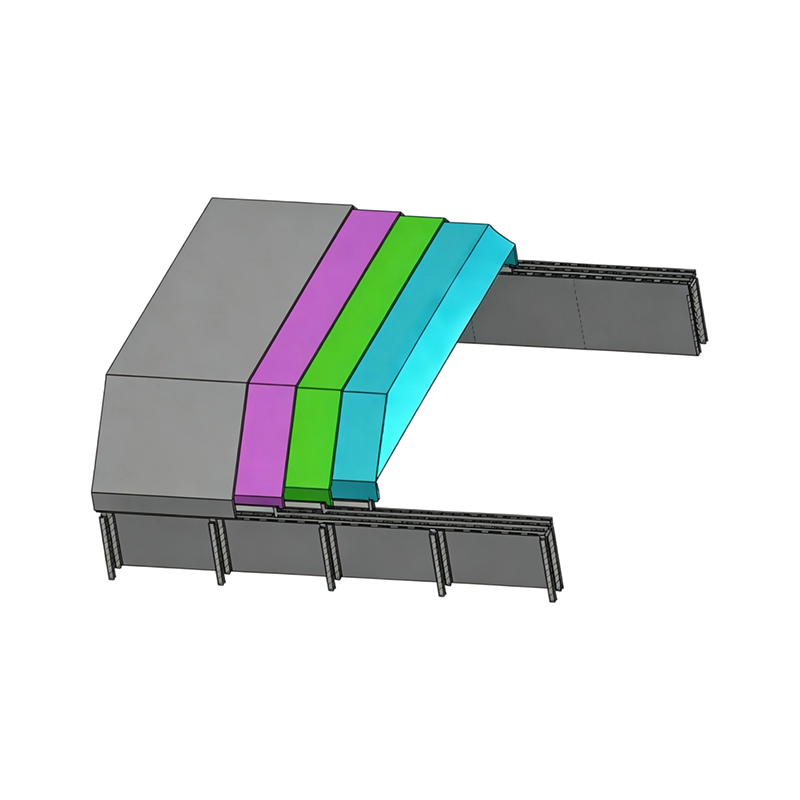
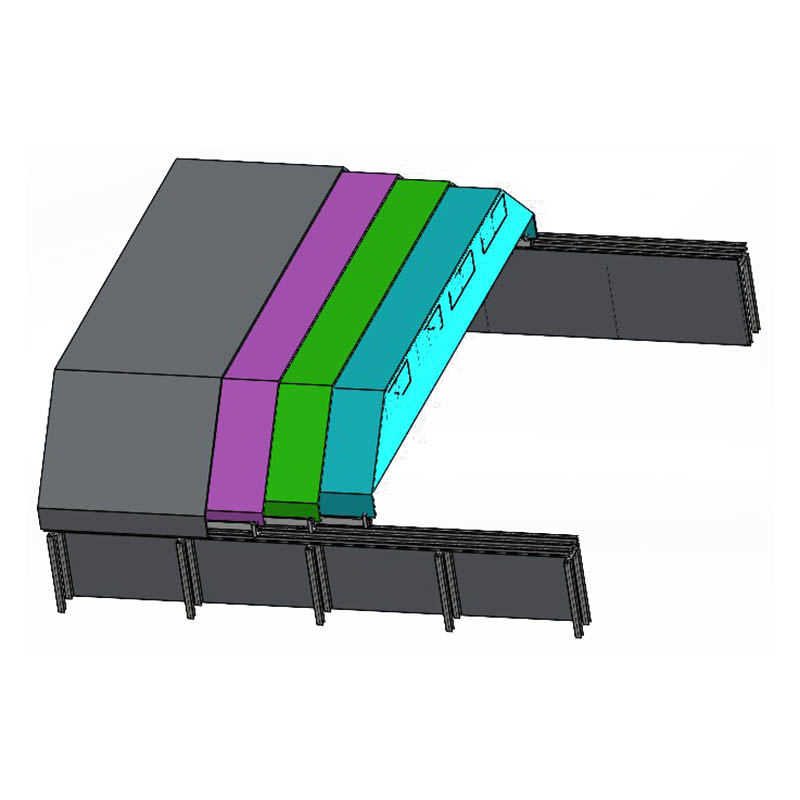
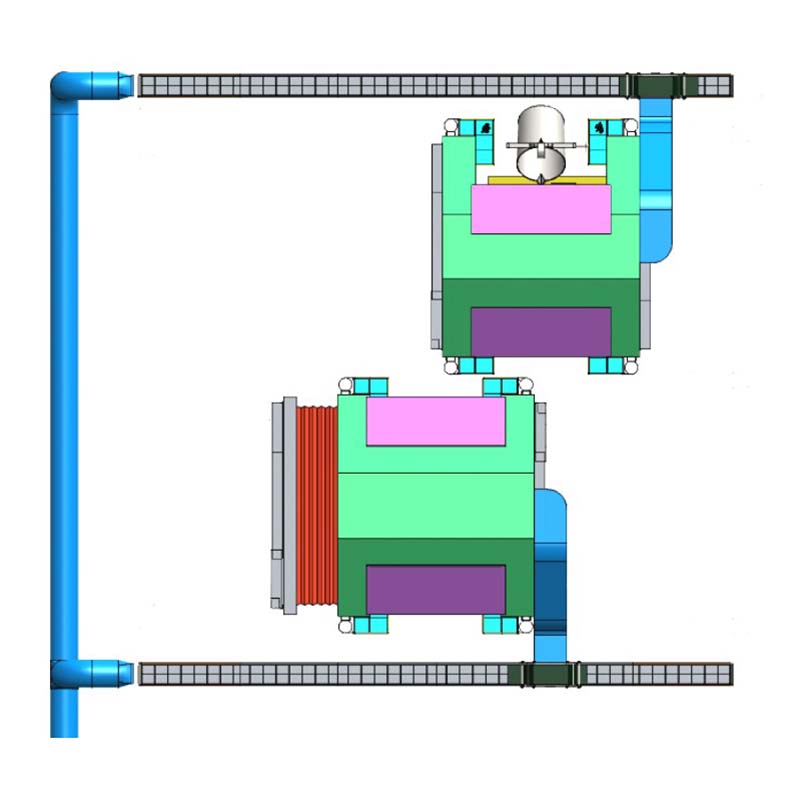
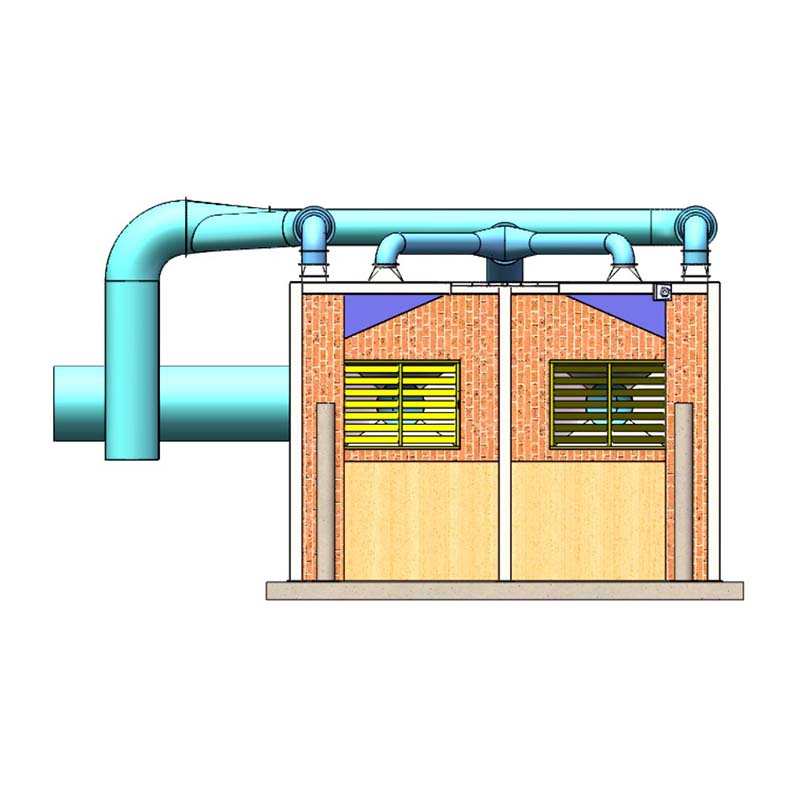
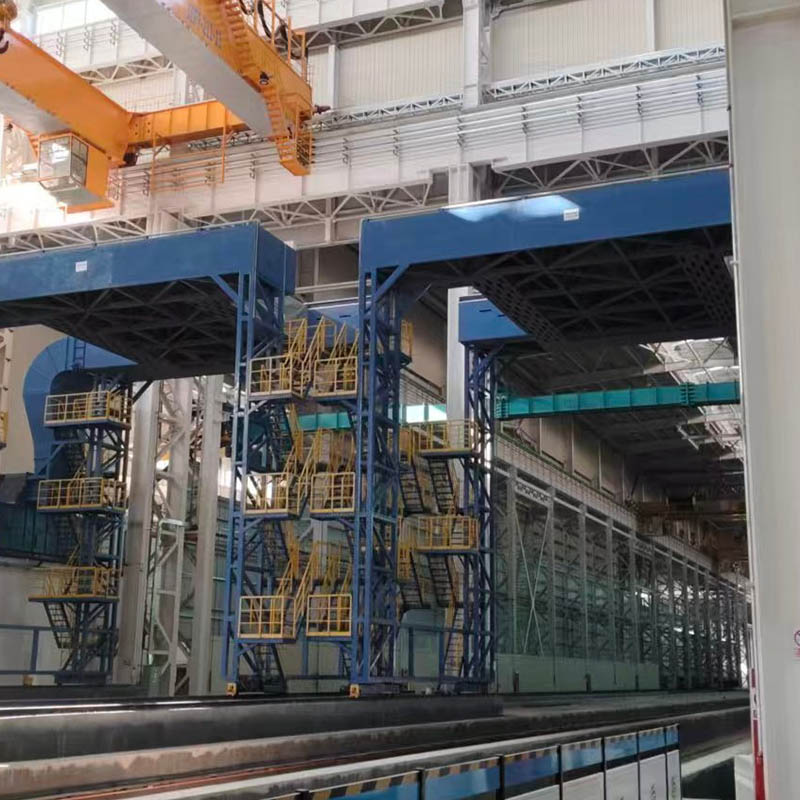
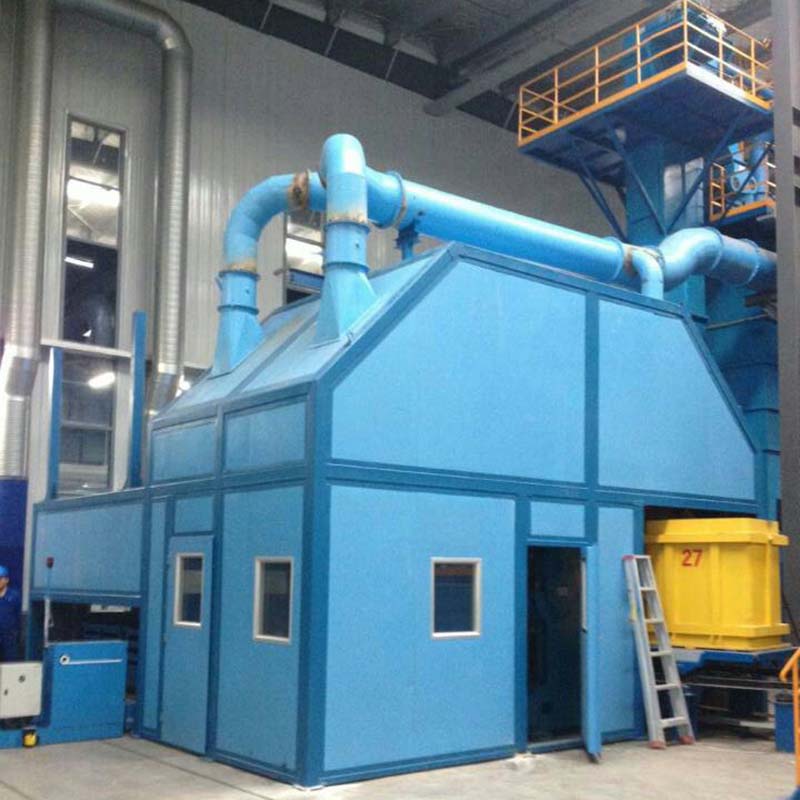
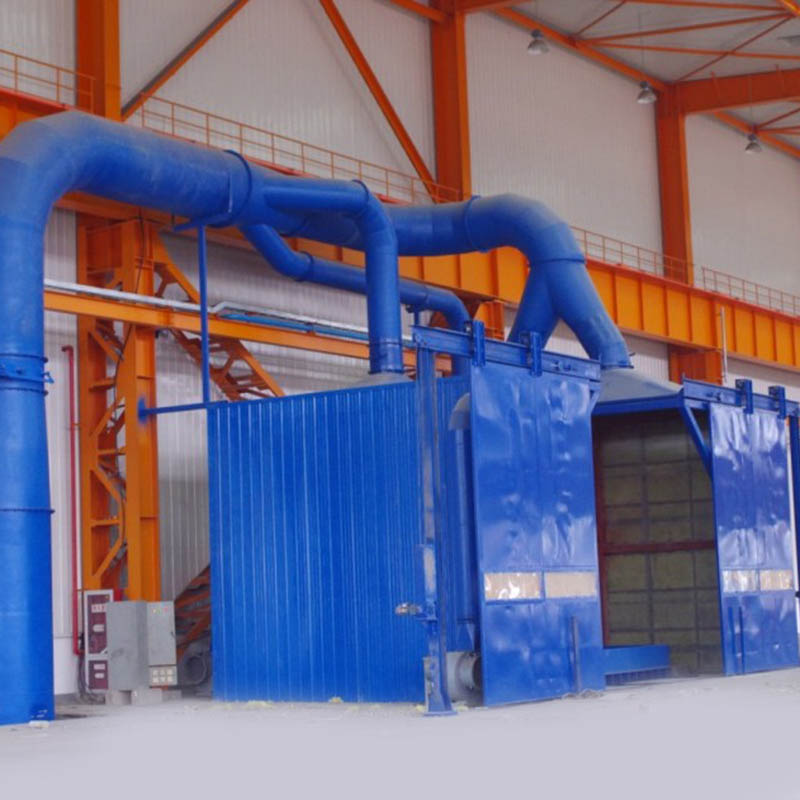
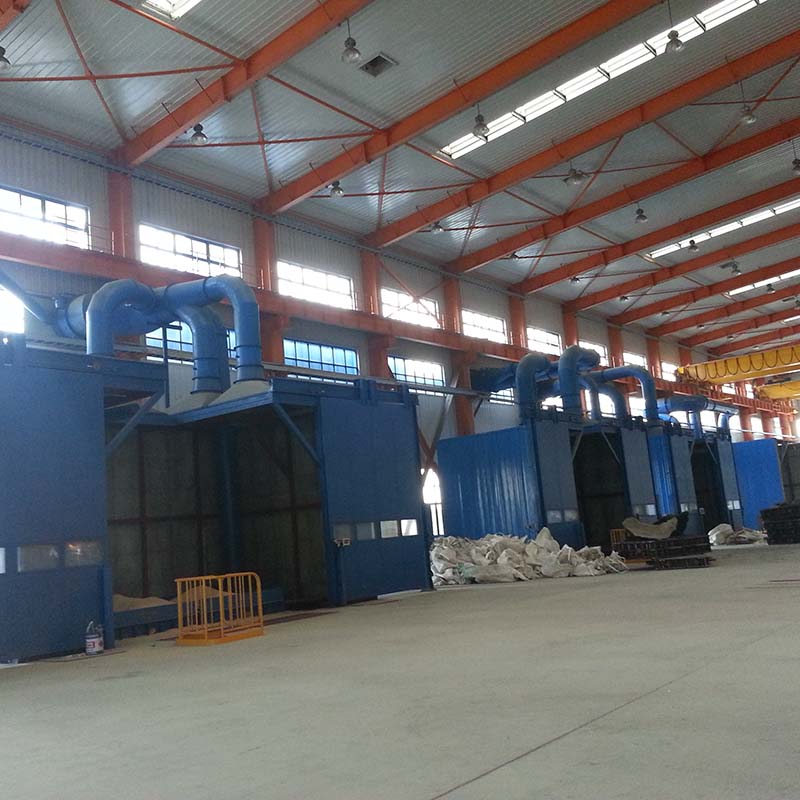
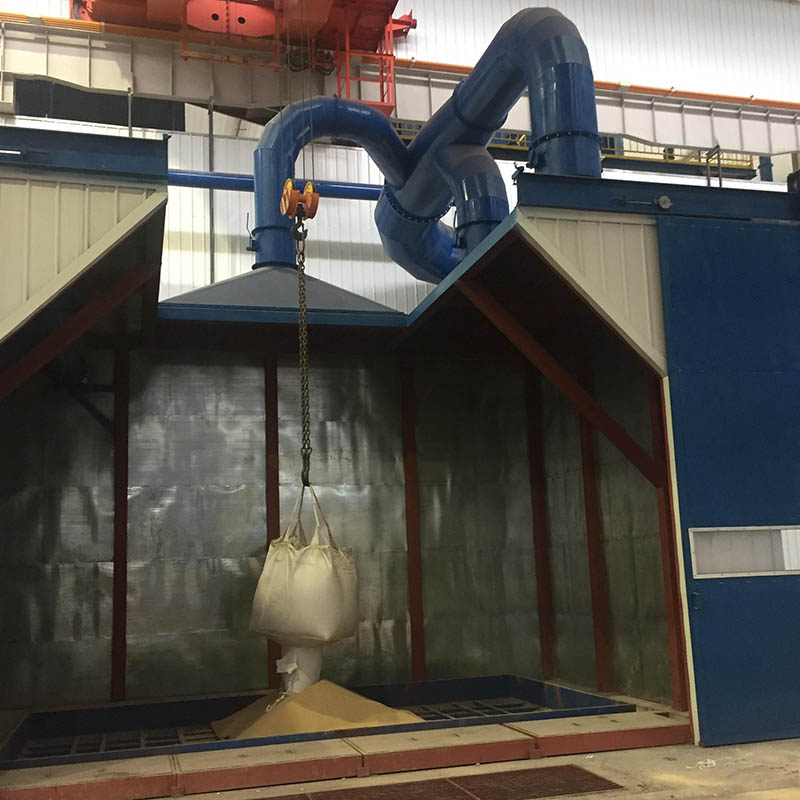
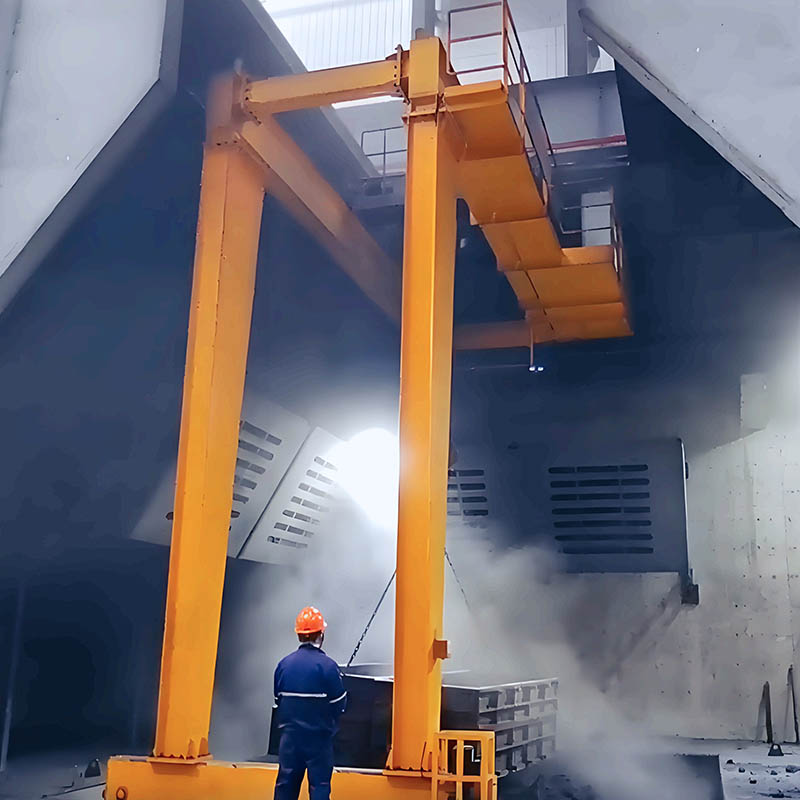
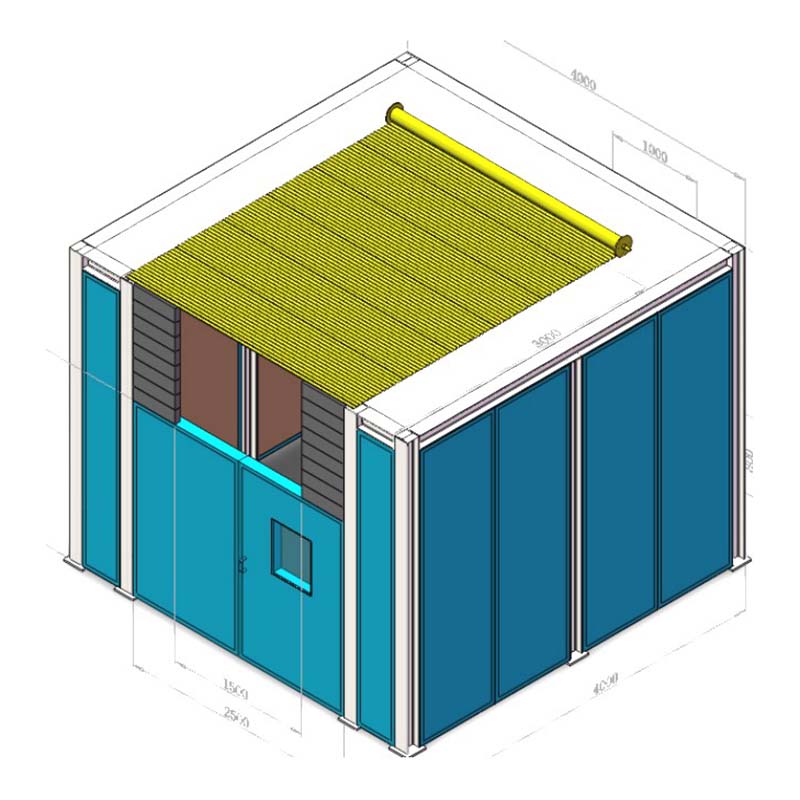
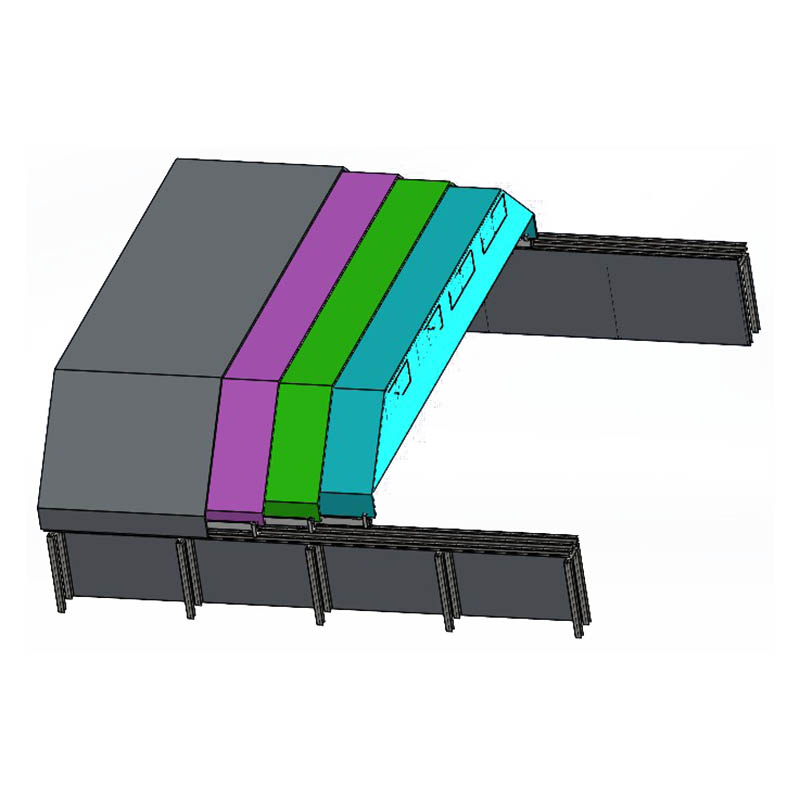

Customized Suction Hood
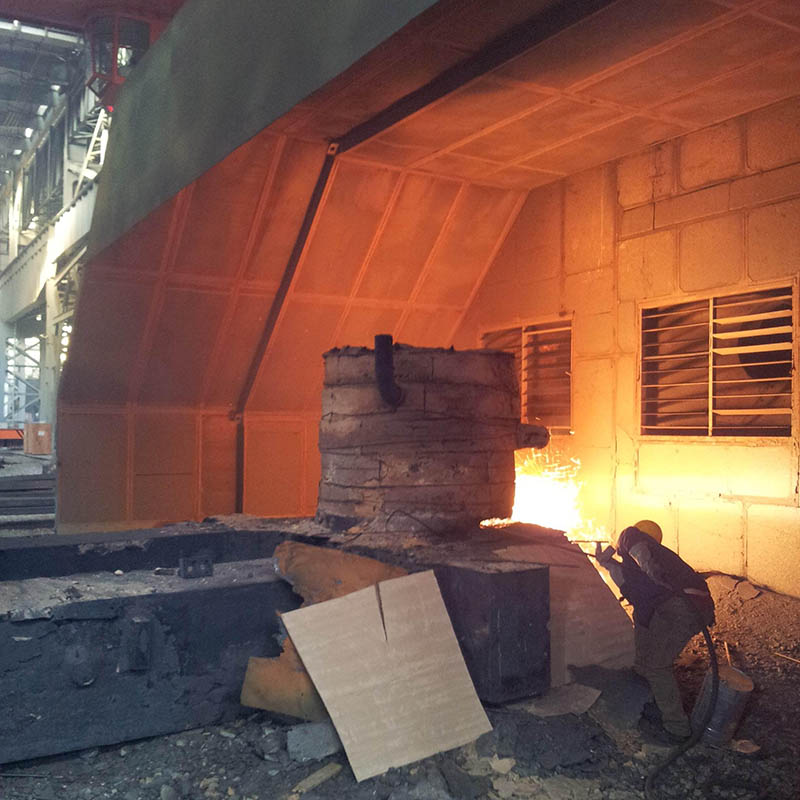
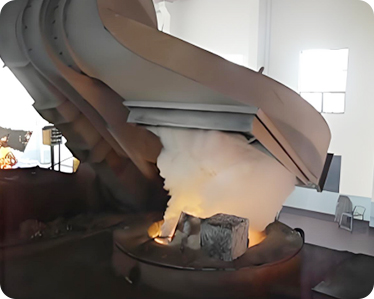
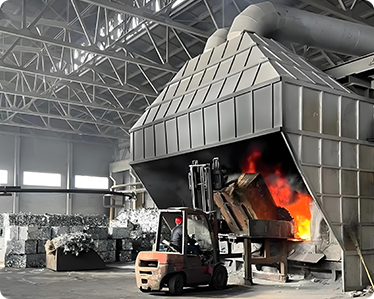
Electric furnace
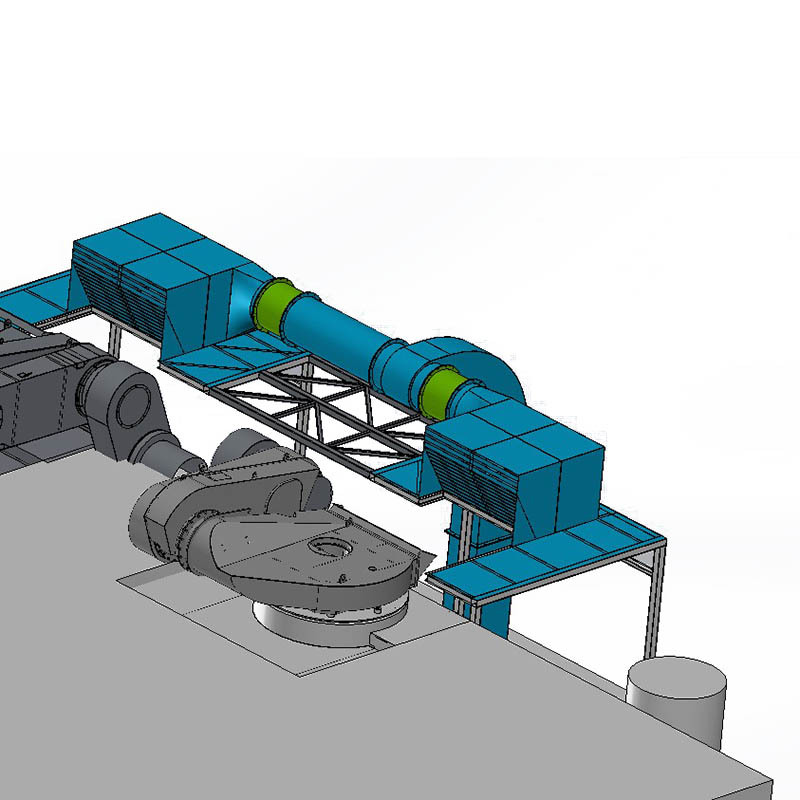
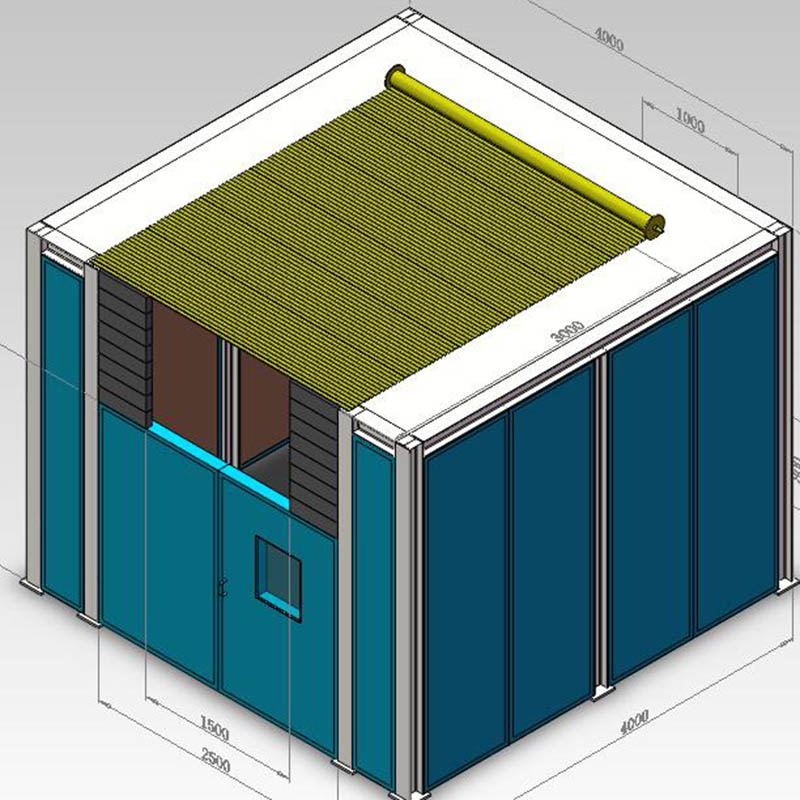
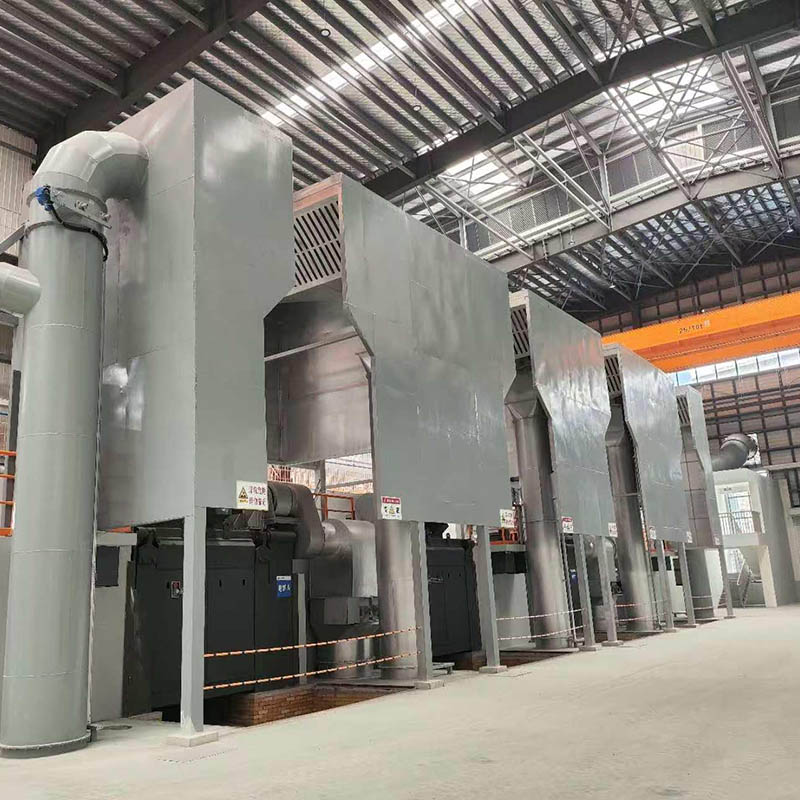
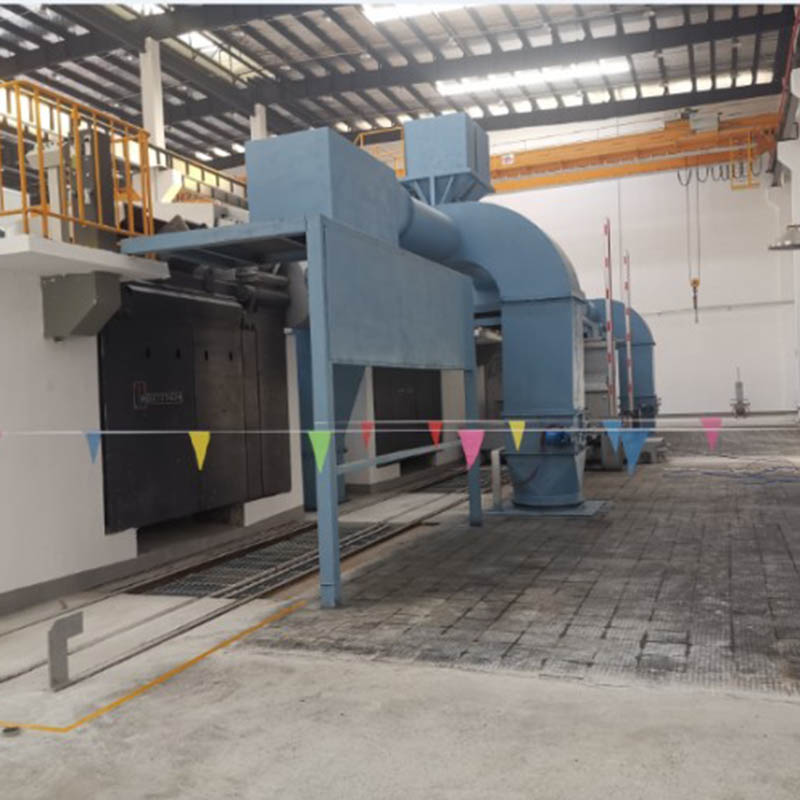
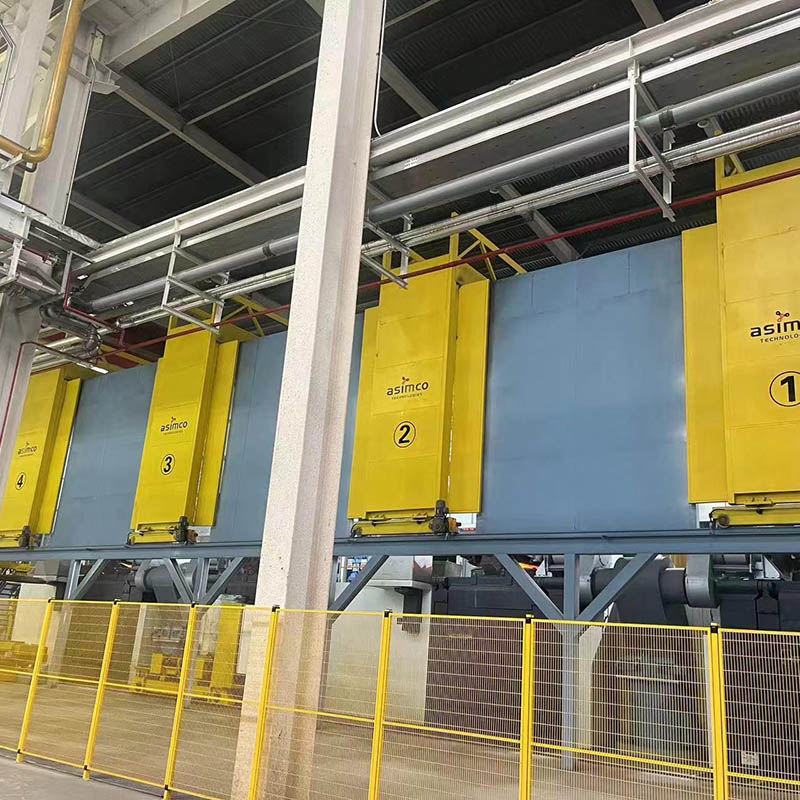
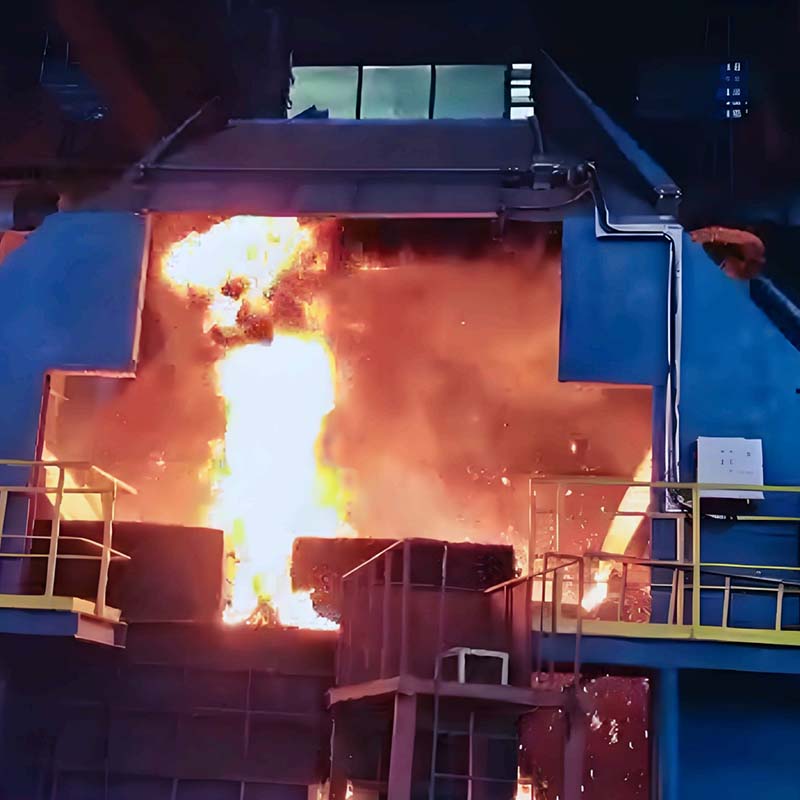
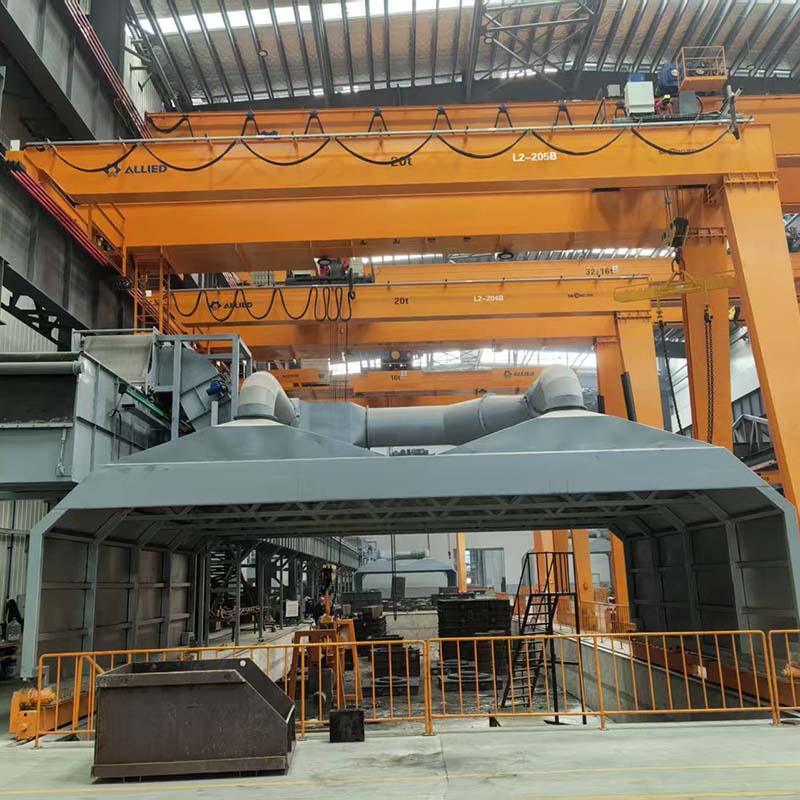
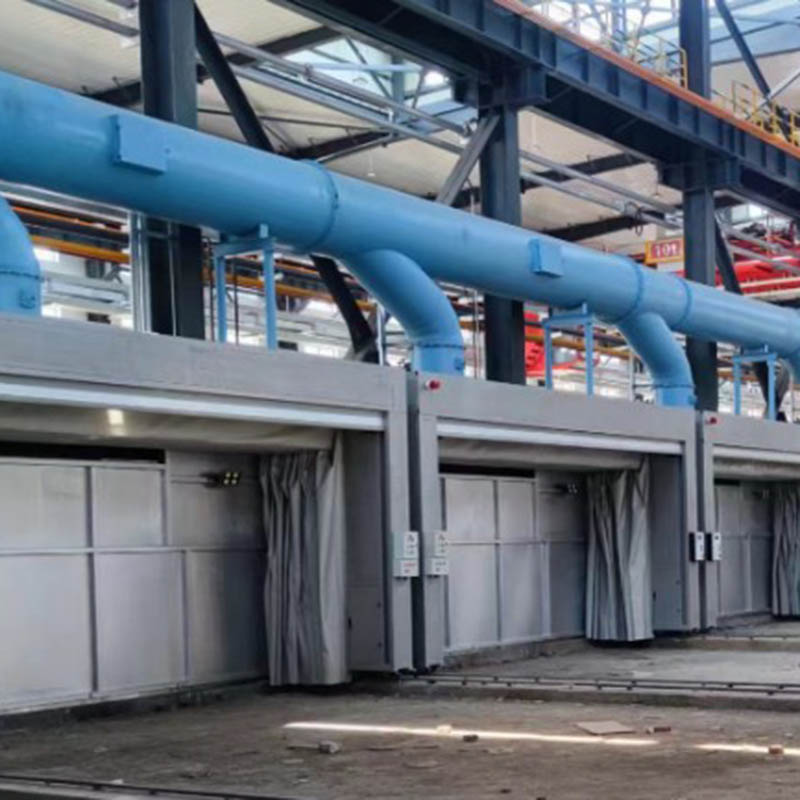
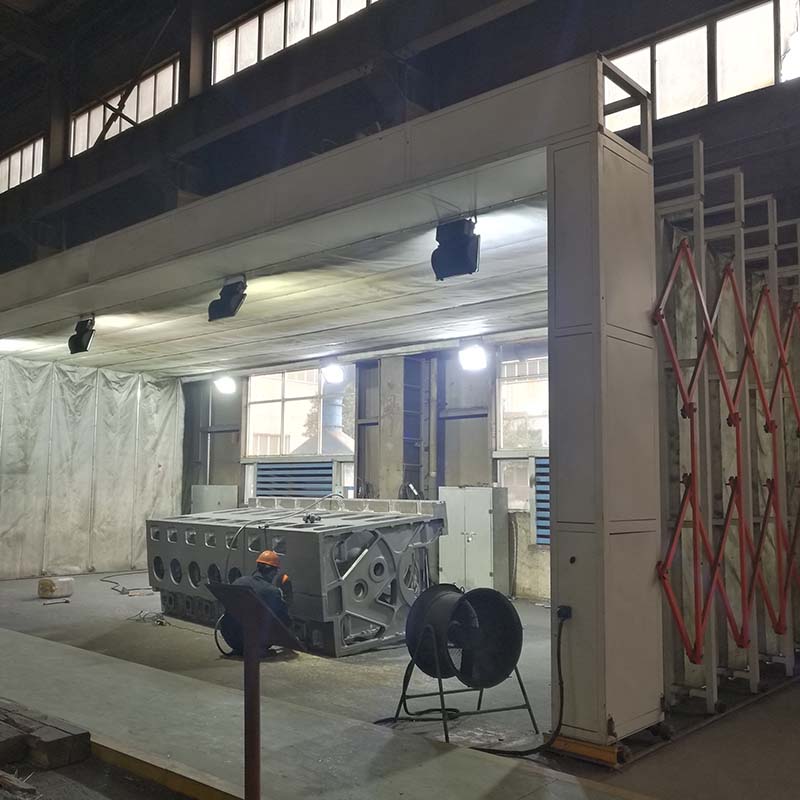
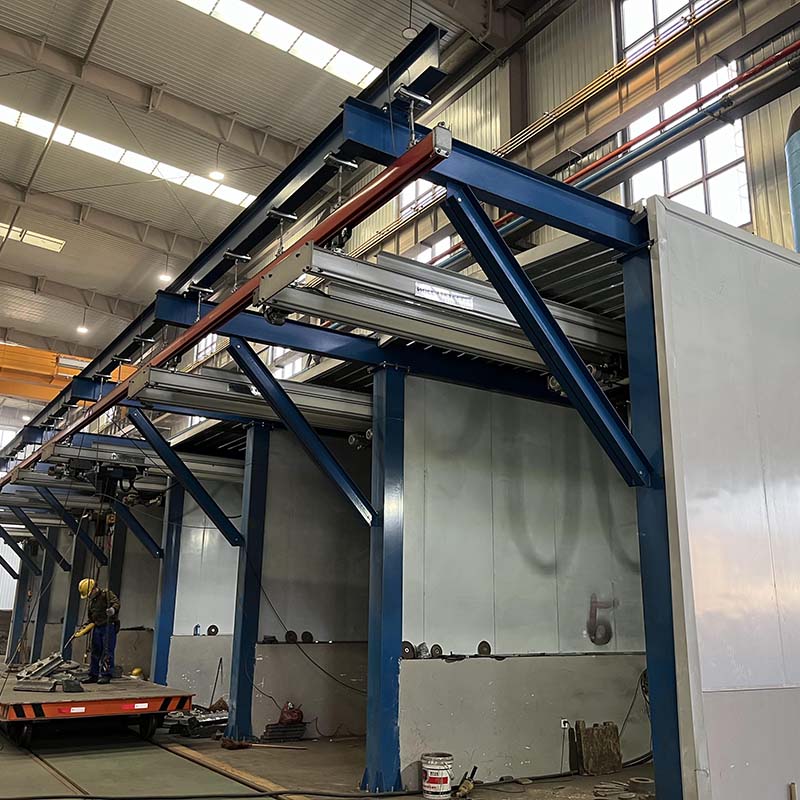
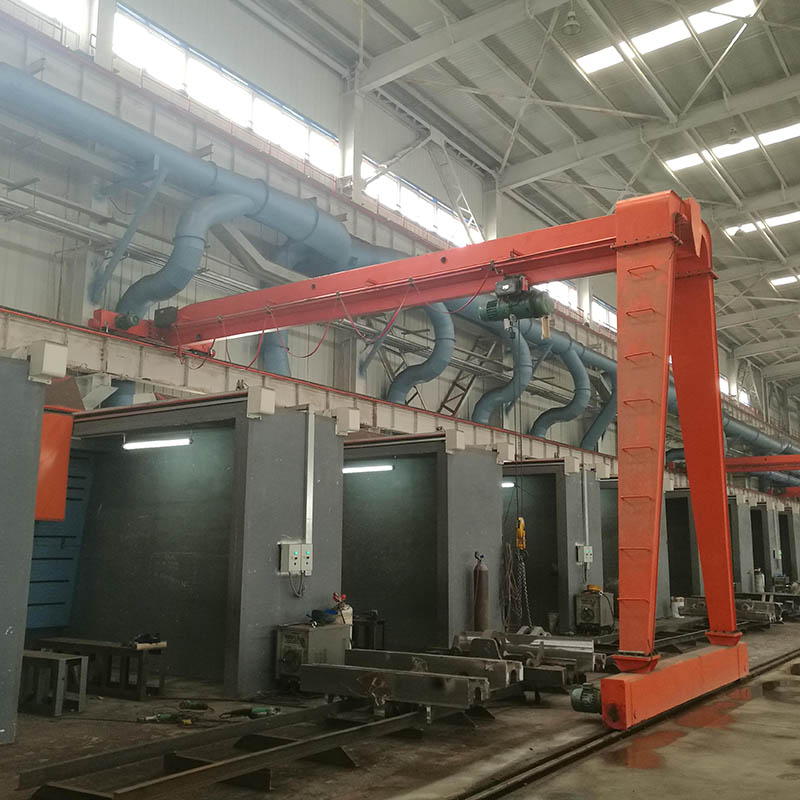
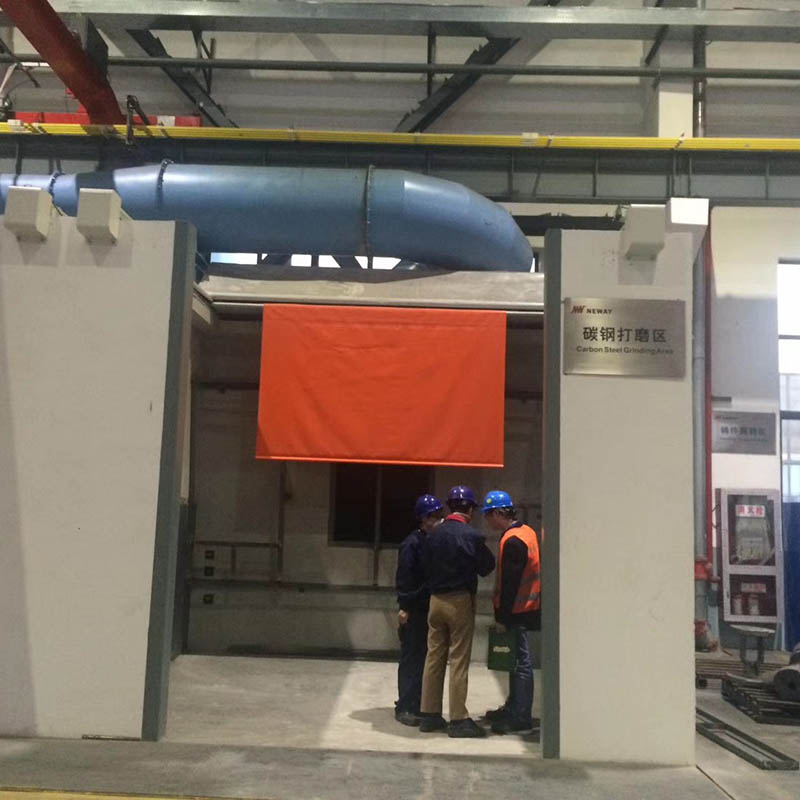
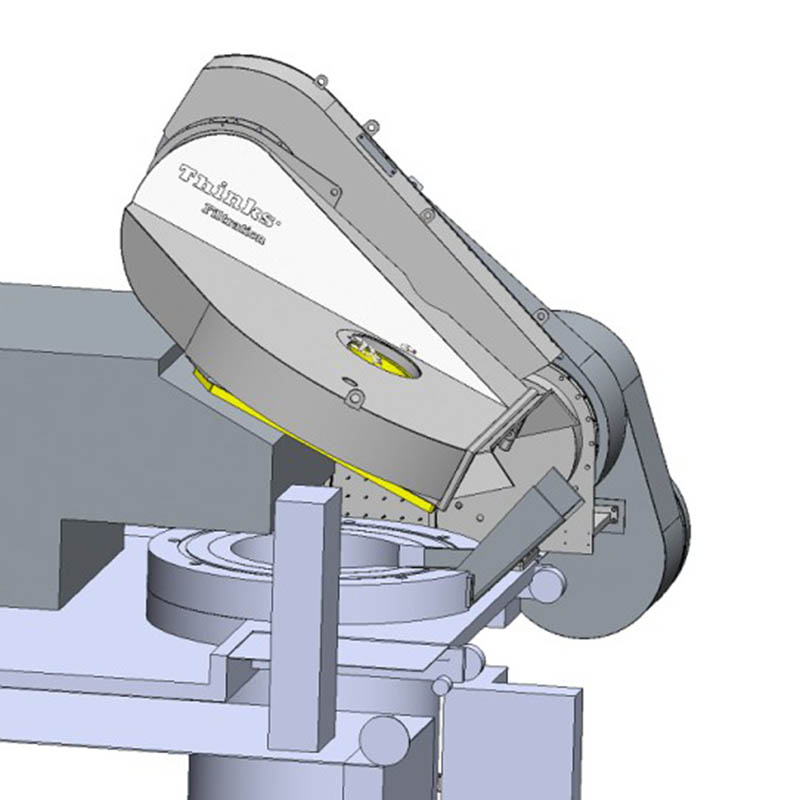
Customized suction hoods can be flexibly designed in various non-standard structures, such as fixed, mobile, and rotating types, according to different industries and application conditions.
They are specifically aimed at improving the efficiency of pollutant capture, reducing dust and flue gas escape at the source, and effectively lowering the overall energy consumption of the dust collector system. This makes them a highly adaptable and energy-efficient key equipment in industrial flue gas treatment.
- Category
- Contact Us
Category
Electric furnace
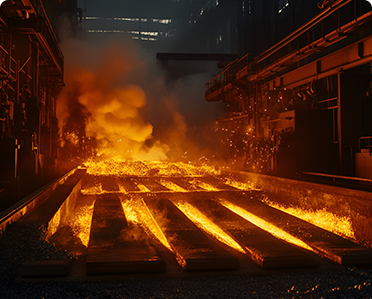
Pouring
Sanding off the dust
Cutting and polishing
Changzhou Thinks Environmental Technology Co., Ltd.
Changzhou Thinks Environmental Technology Co., Ltd. is a system supplier specializing in industrial air pollution control. We are China Customized Suction Hood Manufacturers and OEM/ODM Customized Suction Hood Factory.Relying on independently developed high-quality products, we provide customers with world-class product technology and solutions.Thinks has global service capabilities and its products are exported to North America, Europe, Africa, Southeast Asia and other regions. Its main service areas include casting, non-ferrous metals, chemical industry, steel, packaging, printing, pharmaceuticals,new energy and other industries.

-
0 +
Cooperative Clients
-
0 m²
square-meter Self-built Factory
-
0 +
Dust collectors / sets
-
0 +
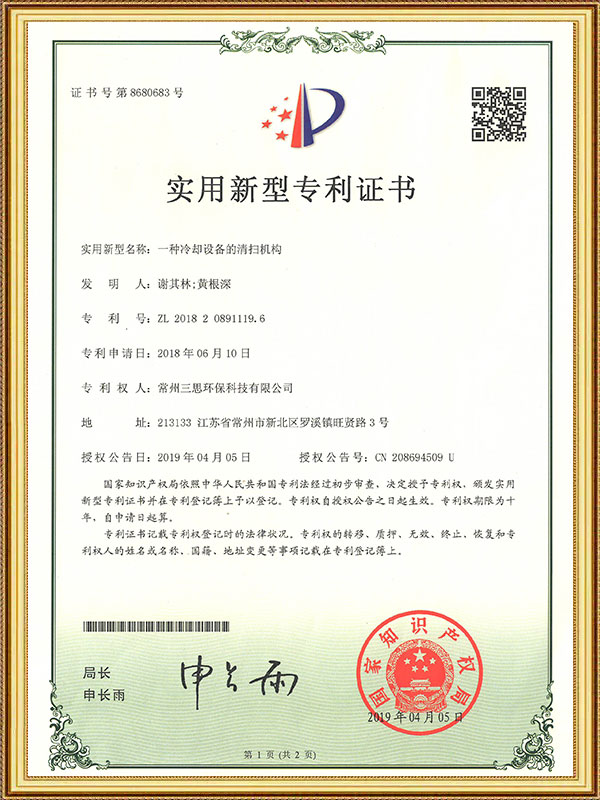
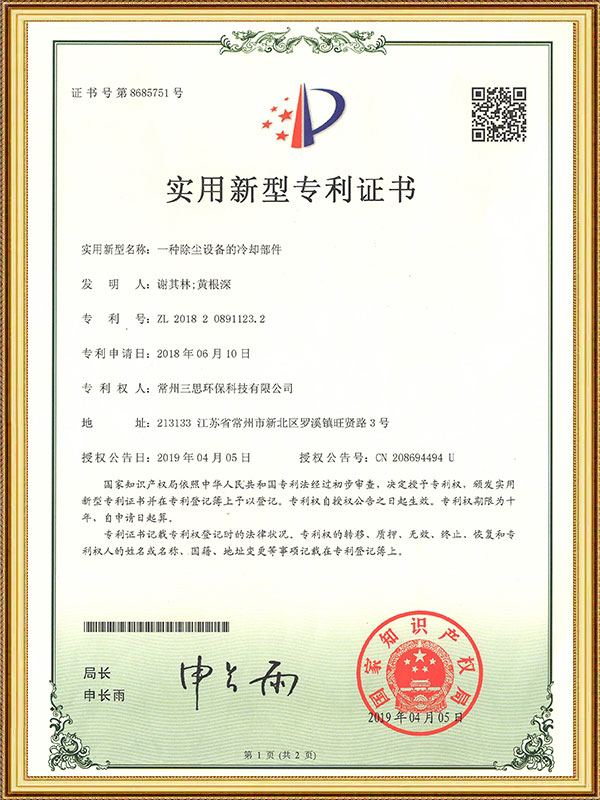
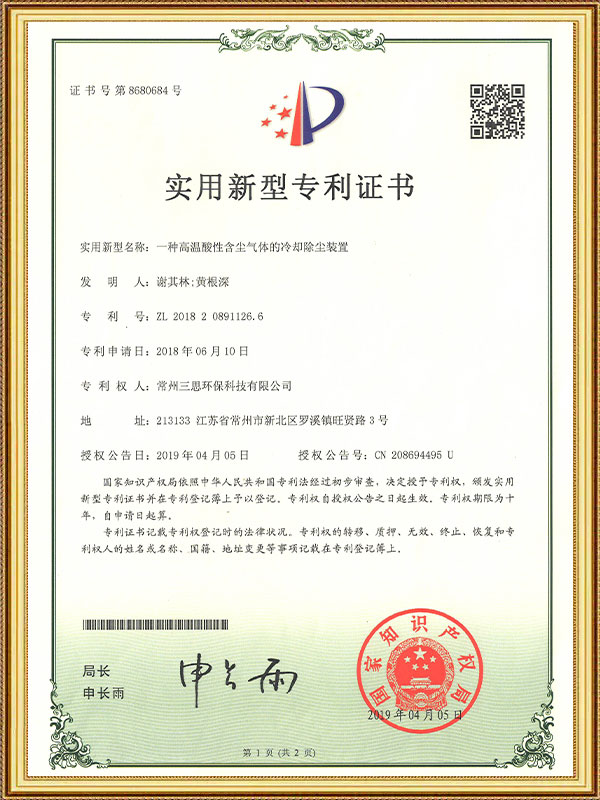
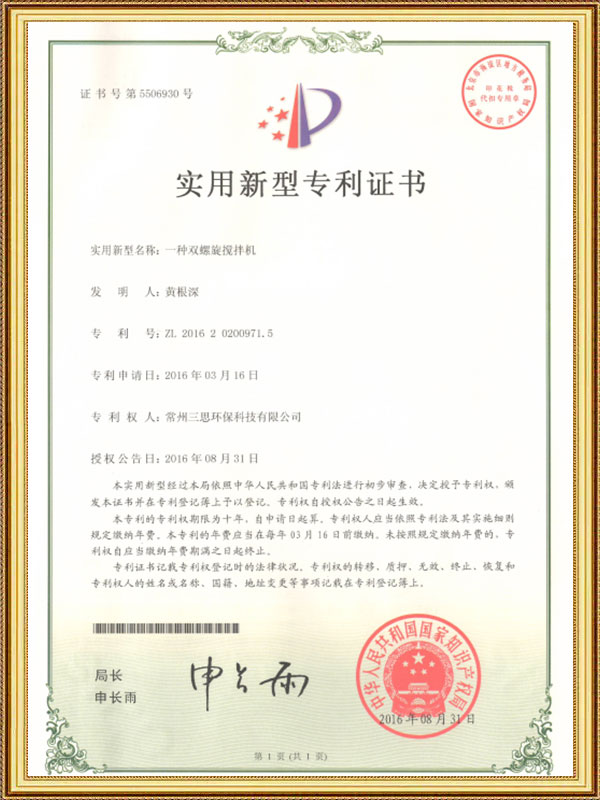
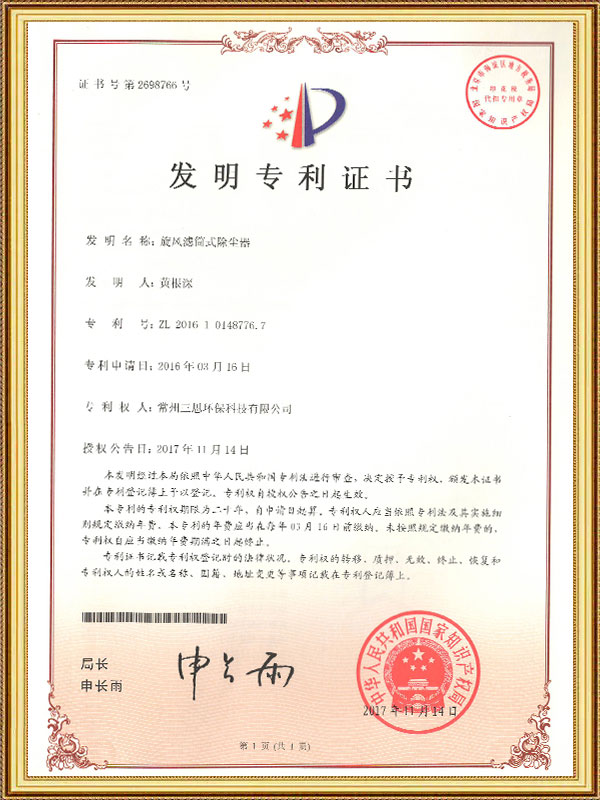
Certificates and Honors

Honorary Certification
Certificates
Latest Updates
What'S News
-
Bag Filter Selection Guide: Media Grade, Air-to-Cloth Ratio and Bag LifeA foundry that replaces its filter bags every eight months is almost never fighting the bags. It is fighting an air-to-cloth ratio set too high during sizing, or a media grade chosen on unit price instead of the gas temperature leaving th...
-
Air Pollution Control Equipment: How to Size, Select and Verify Industrial SystemsTwo cartridge collectors rated at the same 20,000 m3/h sit side by side in a die-casting plant. One holds stack emissions below 10 mg/m3 for three years. The other drifts past 25 mg/m3 within eighteen months. The housings, fan curves and ...
-
Pulse Jet Baghouse: Efficiency, Filter Media, and Maintenance Tips for Longer Bag LifeWhen a gray iron foundry replaced its aging shaker-type collector with a pulse jet baghouse, stack emissions dropped from 38 mg/Nm³ to 6 mg/Nm³ in the first week of operation. That result is typical: a well-designed pulse jet baghouse hol...
-
Oil Mist Recovery System Guide: Selection, Performance, and MaintenanceInside a machining hall with twenty CNC lathes running at 6,000 rpm, the air can hold 5 to 10 mg/m3 of oil aerosol on a busy shift, several times the 0.5 mg/m3 reference value that NIOSH recommends for mineral oil mist. The source is ever...
Customized Suction Hood Industry knowledge
1 Introduction to Industrial Flue Gas Capture and Customized Suction Hoods
In modern heavy industries, controlling air pollution at its source is both an environmental necessity and an operational requirement. Industrial facilities face stringent emission standards and the challenge of managing massive volumes of airborne particulates, fumes, and hazardous gases. Among the various components of an industrial air pollution control system, the primary capture mechanism plays the most critical role. If pollutants are not captured efficiently at the point of generation, they disperse into the workshop, creating health hazards for workers and significantly increasing the workload and energy consumption of the downstream filtration system.
Changzhou Thinks Environmental Technology Co Ltd addresses this critical industrial challenge by engineering high-efficiency air pollution control systems. As a globally recognized system supplier, the company focuses on designing custom solutions that stop emissions right where they start. A core technology in this effort is the Customized Suction Hood, a highly adaptable and engineering-intensive component designed to maximize pollutant capture efficiency while optimizing overall system energy usage.
For demanding applications such as electric arc furnaces, induction furnaces, and various metal processing operations, standard off-the-shelf hoods are often insufficient. Variations in plant layout, thermal updrafts, cross-drafts, and material loading methods require a tailored engineering approach. By analyzing the unique physical and thermal dynamics of each industrial process, specialized suction hoods can be designed to match the precise workflow of the facility, providing robust environmental protection without hindering production efficiency.
2 Classification and Structural Layout of Customized Suction Hoods
Industrial processes vary widely in terms of space availability, machinery movement, and maintenance access. To accommodate these diverse operational environments, Customized Suction Hoods are engineered in several distinct structural configurations. Each type is selected based on how raw materials are loaded, how processing takes place, and how the final product is discharged.
2.1 Fixed Suction Hoods
Fixed hoods are permanently mounted directly above or adjacent to the emission source. They are ideal for automated production lines, enclosed conveyors, or chemical reactors where the machinery remains stationary and does not require overhead crane access. Because they do not have moving parts, fixed hoods offer excellent structural stability and low maintenance requirements.
2.2 Mobile Suction Hoods
In many metallurgical plants and heavy fabrication shops, materials are moved using large overhead cranes. A fixed hood would block these cranes and disrupt operations. Mobile suction hoods are mounted on motorized tracks or gantry frames, allowing them to roll forward to cover the furnace during melting or refining phases, and retract completely when loading or pouring takes place.
2.3 Rotating and Pivoting Suction Hoods
Designed specifically for top-loading electric furnaces or crucible melting operations, rotating hoods can swing horizontally or tilt vertically away from the furnace mouth. This provides completely unobstructed access for scrap metal charging or slag removal, then seals back into position for high-efficiency smoke extraction during the melting cycle.
3 Core Engineering Technical Parameters
To ensure optimal performance and long equipment life in harsh industrial environments, several critical technical parameters must be evaluated during the design phase. The table below outlines the primary engineering factors considered when developing a Customized Suction Hood.
| Technical Parameter | Description and Impact on Performance | Common Target Range or Standard |
|---|---|---|
| Capture Velocity | The speed of the air at the point of pollutant generation needed to overcome cross-currents and pull dust into the hood. | 0.5 to 2.5 meters per second, depending on dust weight |
| Face Velocity | The speed of the air across the open face of the hood prevents smoke from escaping back into the workshop. | 1.0 to 1.5 meters per second for thermal fumes |
| Material Thickness | The gauge of steel used to construct the hood shell is to prevent structural warping under high thermal loads. | 4 to 10 millimeters of carbon steel or stainless steel |
| Temperature Resistance | The maximum continuous operating temperature that the hood structure can withstand without physical deformation. | Up to 400 degrees Celsius for standard lined hoods |
| Pressure Drop | The resistance to airflow created by the hood design, which directly impacts the energy usage of the main exhaust fan. | 150 to 400 Pascals, depending on structural complexity |
4 Industry Applications and Process Dynamics
Customized Suction Hoods are utilized across a broad spectrum of heavy industries, each presenting unique chemical and physical challenges for emission control.
4.1 Metallurgical Casting andNon-Ferrouss Metals
In foundries and non-ferrous metal smelting operations, electric furnaces generate intense thermal currents mixed with fine metallic oxides, silica dust, and combustion gases. As metal melts, the air directly above the furnace expands rapidly due to extreme heat, creating a high-velocity thermal plume. Customized suction hoods must be engineered with sufficient volume to contain this rising thermal surge, preventing uncaptured fugitive emissions from escaping into the upper building structure.
4.2 Chemical Processing and Pharmaceuticals
In chemical blending, reactor charging, and pharmaceutical powder handling, the primary challenge is often chemical reactivity or toxicity rather than extreme heat. Suction hoods for these sectors focus on chemical resistance, utilizing stainless steel alloys or specialized coatings. The designs often incorporate precise slot hoods or laboratory-grade enclosures that capture chemical vapors and ultra-fine dust while minimizing the extraction of valuable raw materials.
4.3 Steel Production and Heavy Industries
Steel manufacturing involves massive equipment, extreme physical impacts during scrap dumping, and immense volumes of iron oxide dust. Suction hoods in this industry must be built like heavy armor, featuring reinforced structural ribs, sacrificial wear liners to resist abrasive dust erosion, and water-cooled panels or refractory linings to withstand continuous radiant heat from large-scale electric arc furnaces.
5 Energy Optimization and System Integration
A major misconception in industrial air pollution control is that a larger fan and a higher volume of air always result in a cleaner factory. In reality, oversized systems waste massive amounts of electrical energy and place unnecessary wear on downstream dust collectors and baghouses.
Customized Suction Hoods are specifically engineered to solve this problem through aerodynamic optimization. By shaping the hood to match the natural contours of the rising smoke plume and placing the hood face as close to the emission source as safely possible, the required volumetric airflow rate is drastically reduced.
Furthermore, smart control systems can integrate motorized dampers into mobile or rotating hoods. When a specific furnace is idle or in a low-emission phase, the localized damper throttles down the airflow, redirecting system capacity to active processing areas. This intelligent air management lowers the total static pressure drop across the ductwork network, reduces the daily kilowatt-hour consumption of the main system fan, and extends the operational lifespan of the filter bags in the dust collector.
6 Corporate Strengths and Service Advantages of Changzhou Thinks Environmental Technology Co Ltd
Choosing an air pollution control partner requires a combination of engineering expertise, manufacturing capability, and reliable long-term support. Changzhou Thinks Environmental Technology Co Ltd delivers comprehensive system integration through a series of clear corporate advantages.
- Advanced Independent Research and Development: The engineering teams utilize advanced fluid dynamics modeling and structural stress analysis software to simulate airflow patterns and thermal distribution before manufacturing begins. This ensures that every customized suction hood achieves maximum capture efficiency.
- Global Field Service Capabilities: With an established service network, the company provides seamless technical assistance, engineering consultations, and commissioning support to customers located in North America, Europe, Africa, and Southeast Asia.
- Turnkey System Integration: Beyond manufacturing individual hoods, the company designs, builds, and optimizes the entire air pollution control loop, including structural ductwork, spark arrestors, high-efficiency baghouses, exhaust fans, and automated control panels.
- Deep Cross-Industry Experience: The company holds an extensive track record of successful installations across demanding sectors, including steel production, non-ferrous metallurgy, chemical processing, packaging, printing, pharmaceuticals, and new energy manufacturing.
- Robust and Heavy Duty Manufacturing Quality: All products are built to rigorous industrial standards, utilizing high-grade raw materials, precision welding techniques, and heavy-duty mechanical components to guarantee reliable, round-the-clock performance in the harshest factory environments.
7 Frequently Asked Questions
7.1 How does a customized suction hood reduce the energy consumption of a factory dust collector?
By precision-matching the hood geometry to the specific layout of the electric furnace or processing machine, the hood captures smoke right at the source before it can disperse. This high capture efficiency allows the entire system to run successfully with a lower volume of air, allowing the main exhaust fan to use less electricity every hour.
7.2 What materials are used to construct hoods for high-temperature electric furnaces?
Depending on the exact operational temperature and the abrasiveness of the dust, hoods are constructed from thick carbon steel plates reinforced with structural steel beams. For extreme heat environments, the hoods can be upgraded with stainless steel materials, specialized internal heat-resistant coatings, or integrated water-cooling channels.
7.3 Can these custom suction hoods be integrated into existing older factory setups?
Yes, flexibility is a primary benefit of custom engineering. Mobile or rotating structures can be designed to navigate around existing overhead cranes, building columns, structural beams, and utility piping, allowing factories to upgrade their emission control performance without altering their basic building layout.
7.4 What maintenance is required for mobile and rotating suction hoods?
Maintenance focuses primarily on the mechanical moving parts, such as inspecting track alignments, lubricating heavy-duty hinges, checking drive motor gearboxes, and verifying that the flexible duct connections or sealing curtains remain airtight and free from physical wear.
7.5 How does the engineering team determine the correct hood size for a new application?
The design process begins by analyzing the size of the emission source, the temperature of the process, the physical movement of the machinery, and the presence of any ambient cross-drafts in the building. This data is used to calculate the required air volume and velocity to ensure complete pollutant containment.
 From concept to production, we can
create the products you want.
From concept to production, we can
create the products you want.

PRODUCTION LINE
Flat Bag Dust Collector Cartridge Dust Collector Oil Mist Processor Explosion-Proof Wet Dust Collector High Vacuum Dust Collector Auxiliary EquipmentCONTACT INFO
WhatsApp:+86 15295158465 E-mail:[email protected] Add: No. 3 Wangxian Road, Airport Industrial Park, Xinbei District, Changzhou City
Copyright © Changzhou Thinks Environmental Technology Co., Ltd. All Rights
Reserved.
Wholesale Customized Suction Hood Manufacturers
