


 English
  عربى
عربى  Español
  中文简体
中文简体
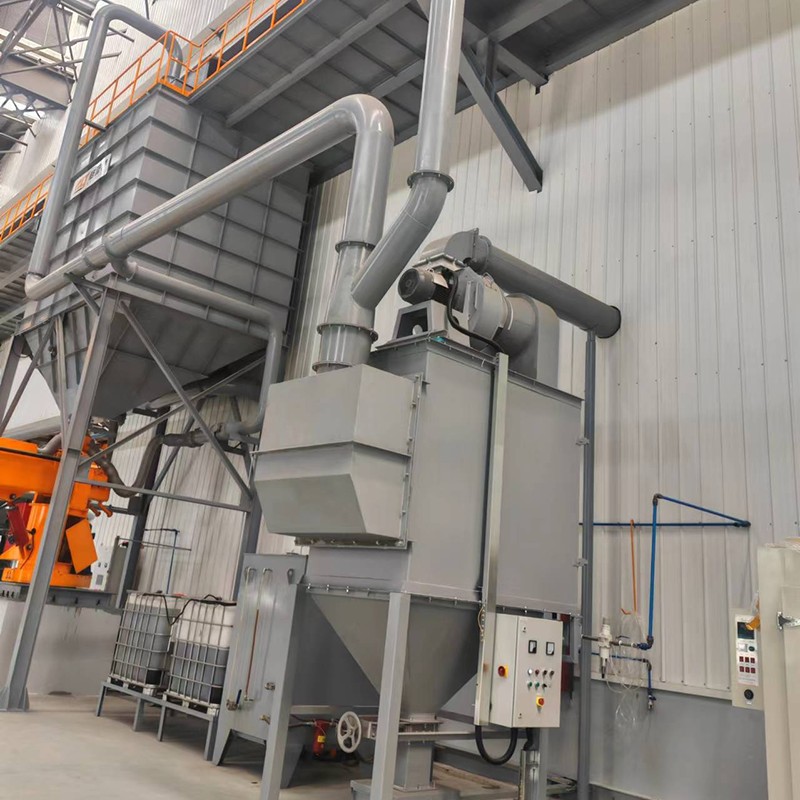
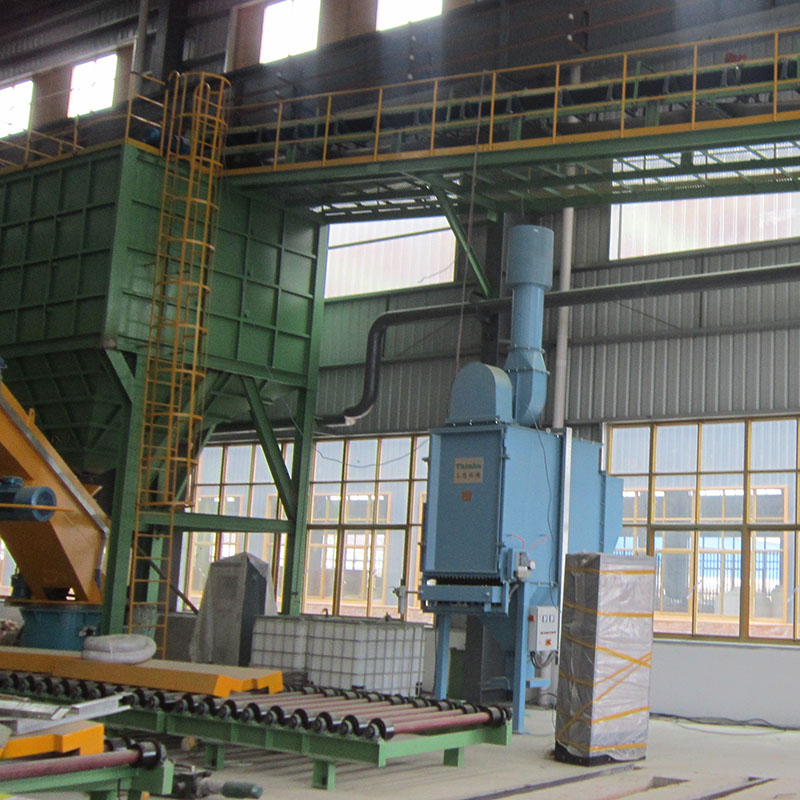
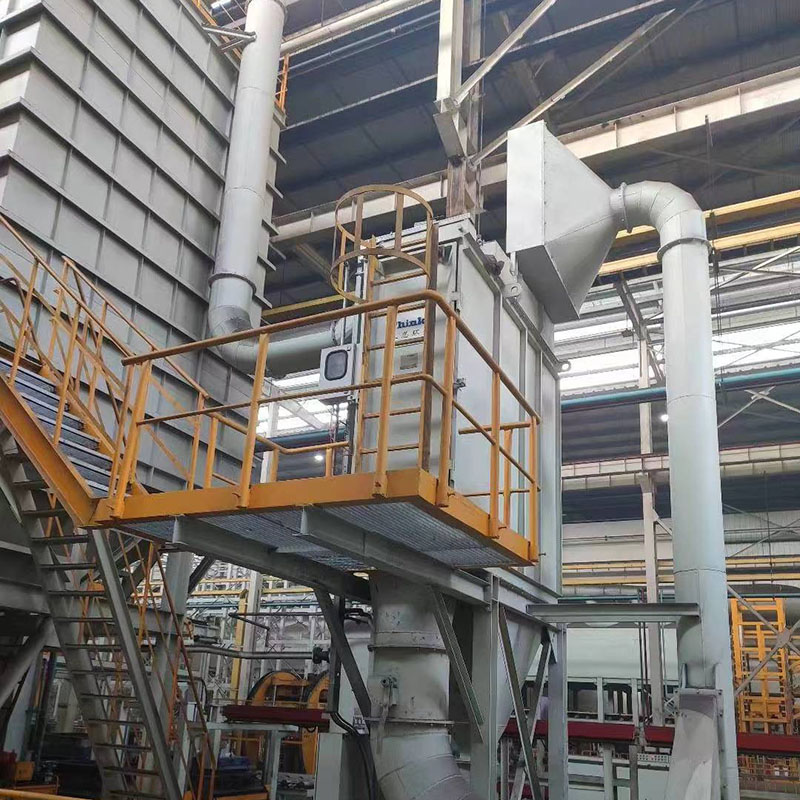

TDC Compact Dust Collector
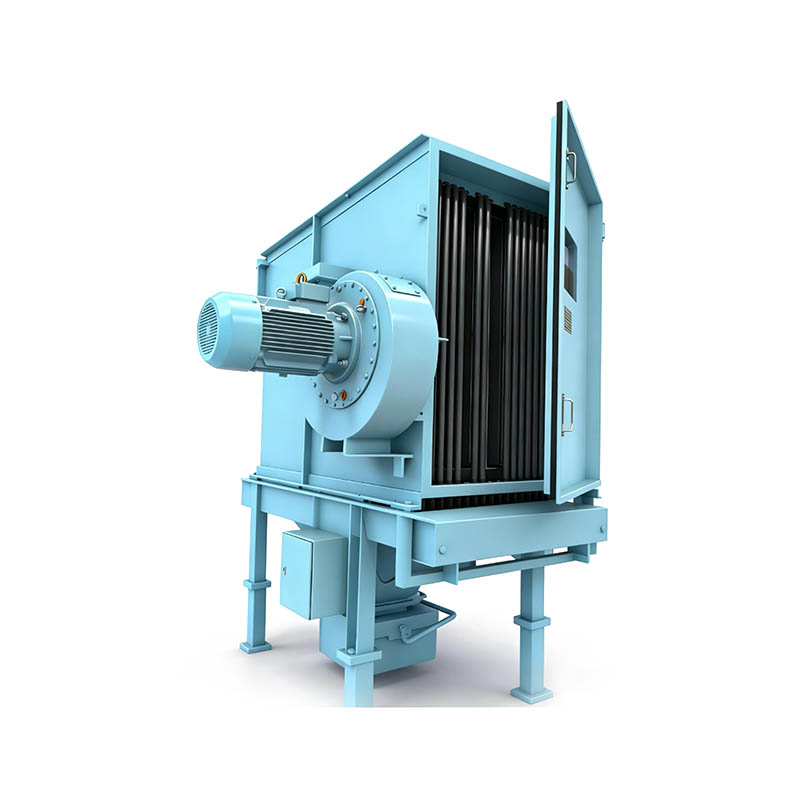
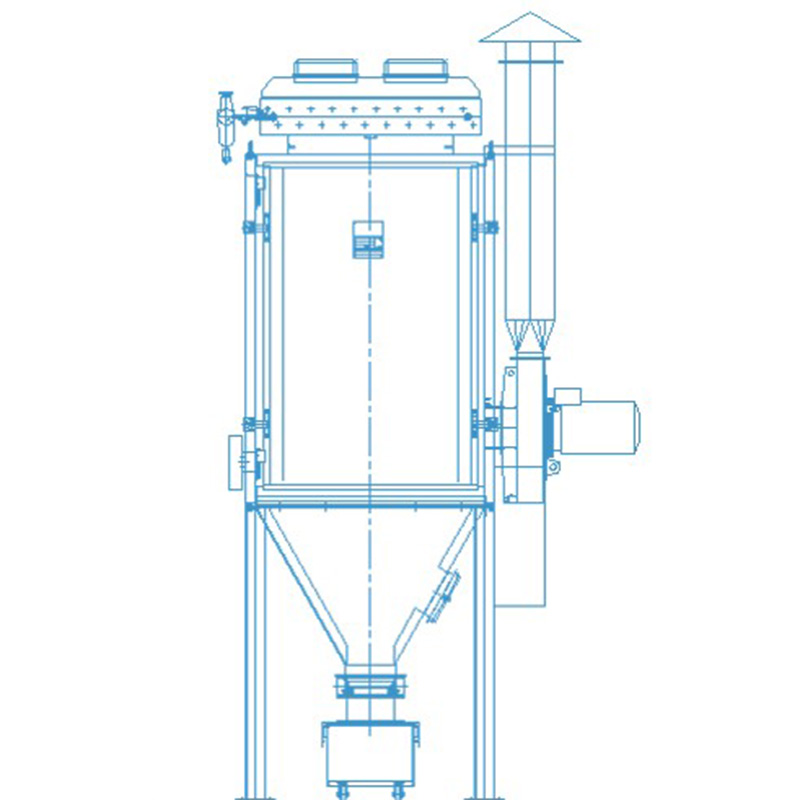
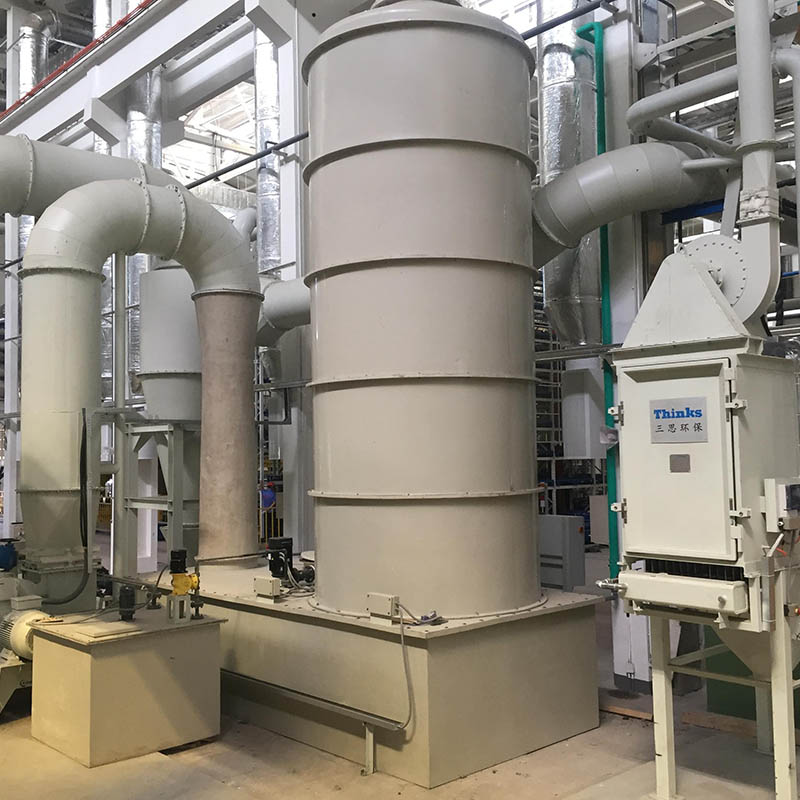
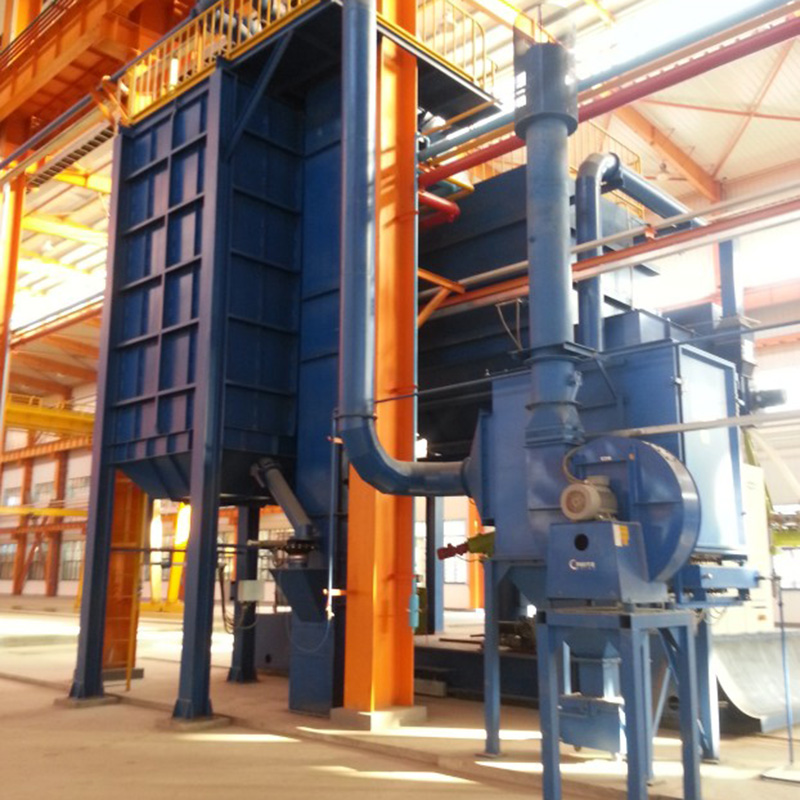
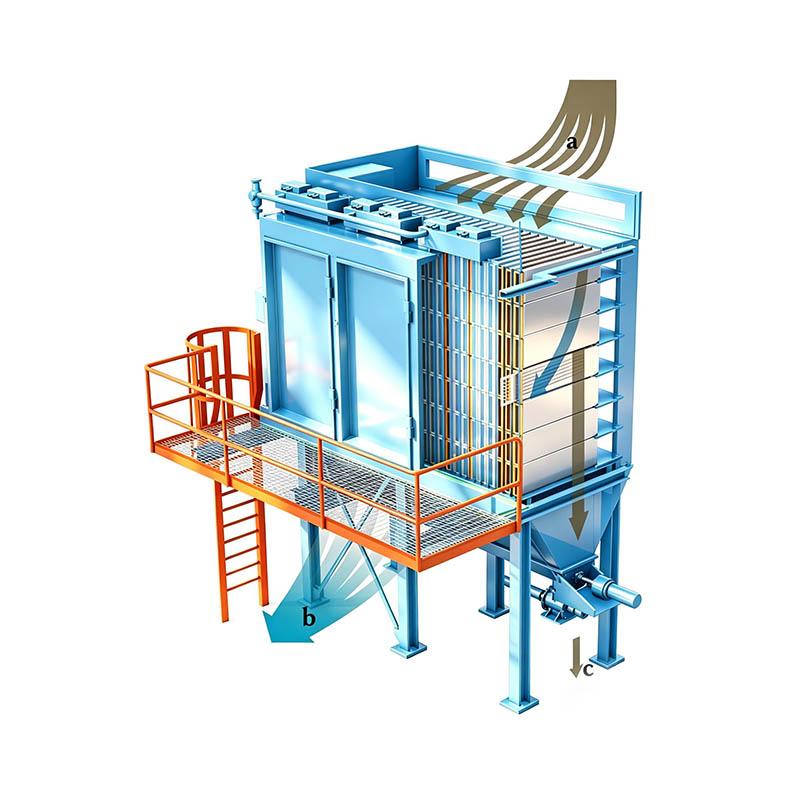
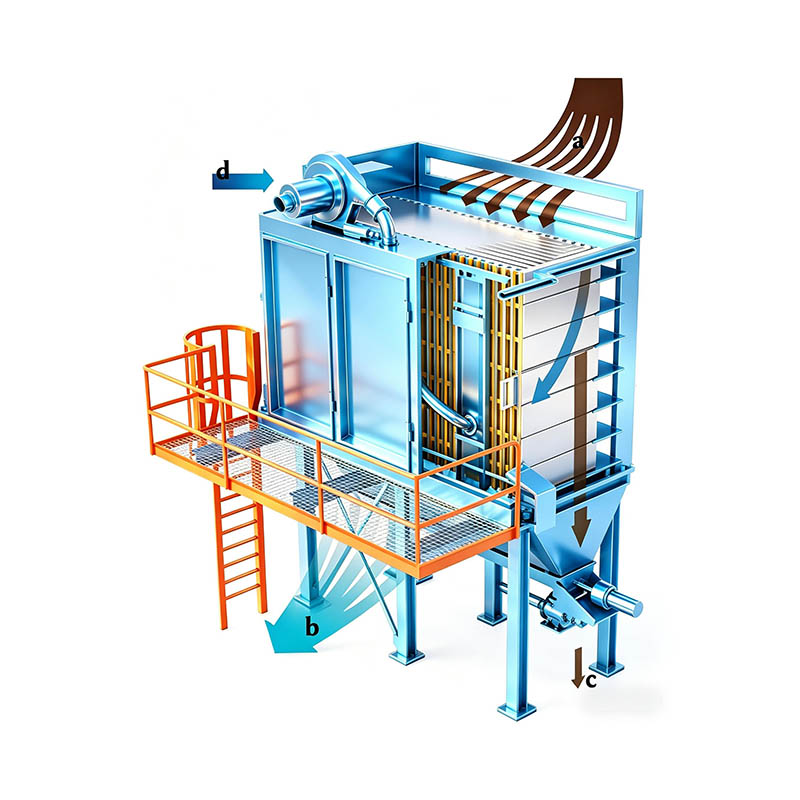
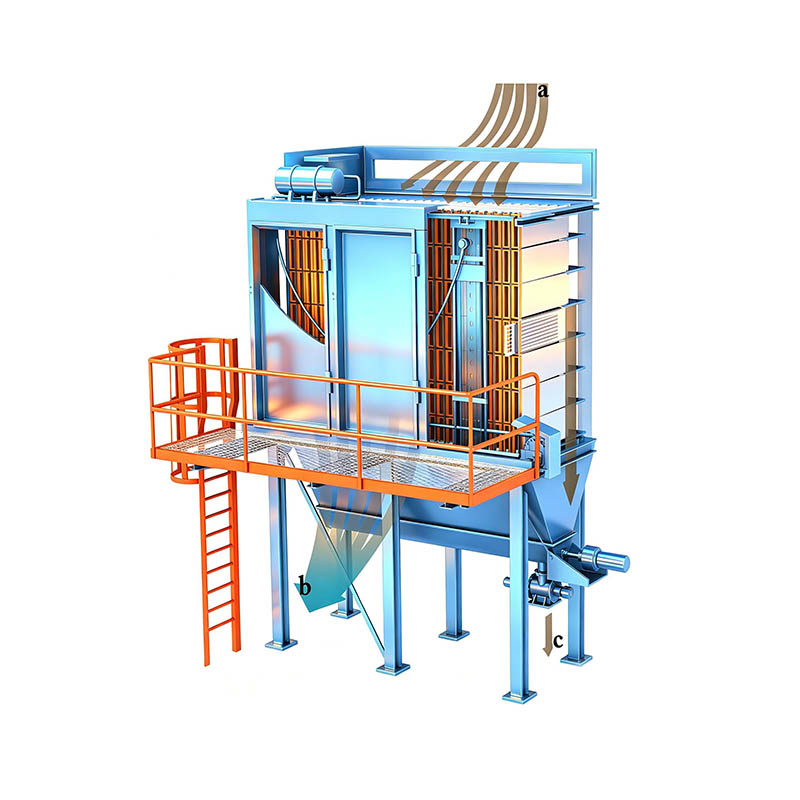
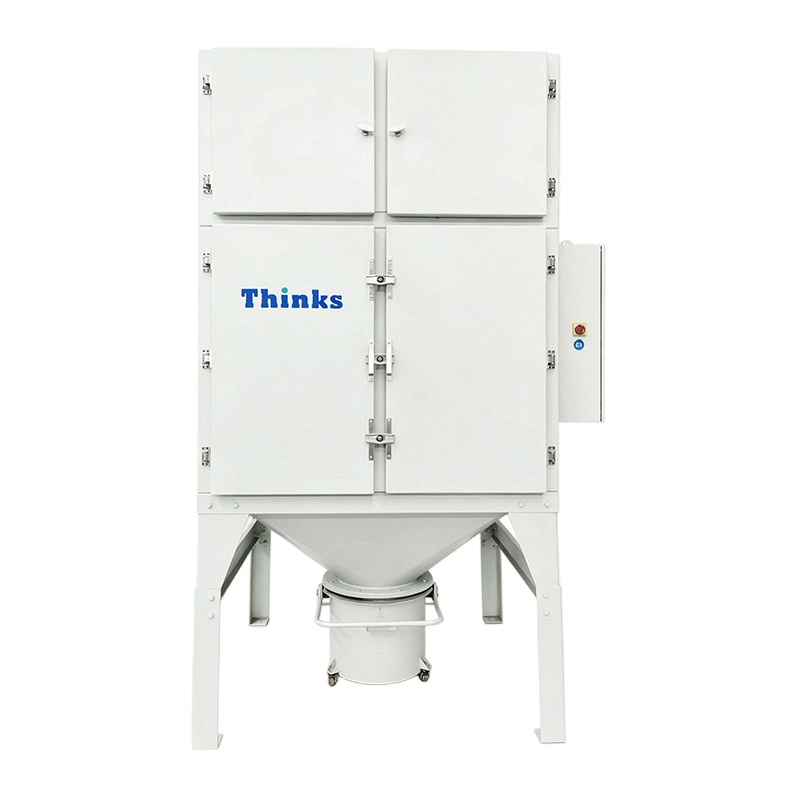
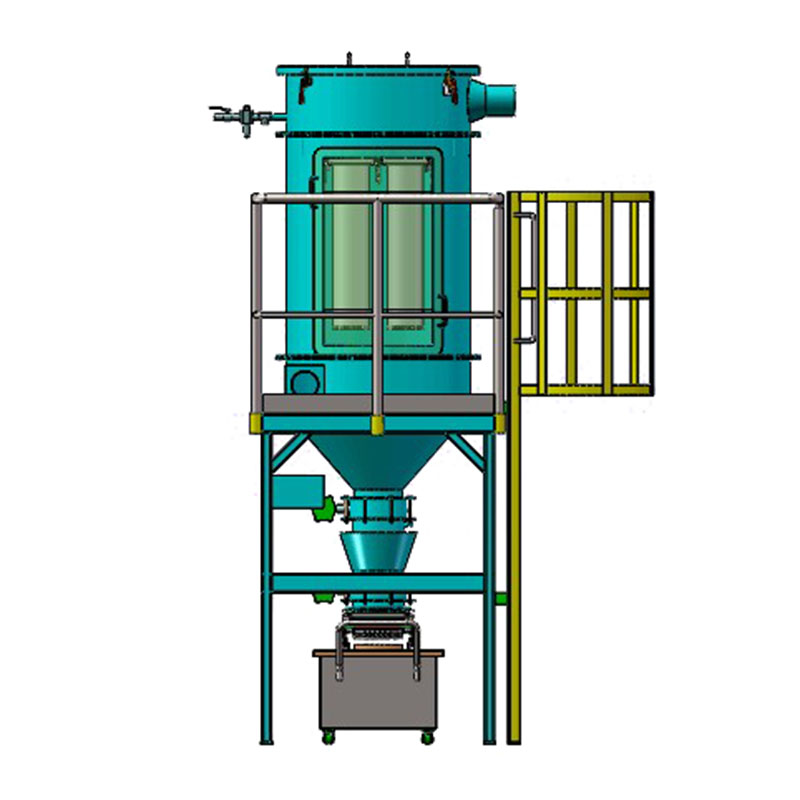
The TDC compact dust collector design with downflow principle, adopts a side-insert flat bag filter design and flexible online compressed-air pulse cleaning. It is suitable for industrial applications with good dust flowability.
Its compact structure minimizes the footprint, while the thick dust cake filtration technology ensures high filtration efficiency and stable emissions. Compact design simplifies installation, inspection, and maintenance, making it particularly suitable for applications with limited space and high requirements for operational stability.With a recommended air handling capacity of 1,000–8,000 m³/h.
- Contact Us
Changzhou Thinks Environmental Technology Co., Ltd.
Changzhou Thinks Environmental Technology Co., Ltd. is a system supplier specializing in industrial air pollution control. We are China TDC Compact Dust Collector Manufacturers and OEM/ODM TDC Compact Dust Collector Factory.Relying on independently developed high-quality products, we provide customers with world-class product technology and solutions.Thinks has global service capabilities and its products are exported to North America, Europe, Africa, Southeast Asia and other regions. Its main service areas include casting, non-ferrous metals, chemical industry, steel, packaging, printing, pharmaceuticals,new energy and other industries.

-
0 +
Cooperative Clients
-
0 m²
square-meter Self-built Factory
-
0 +
Dust collectors / sets
-
0 +
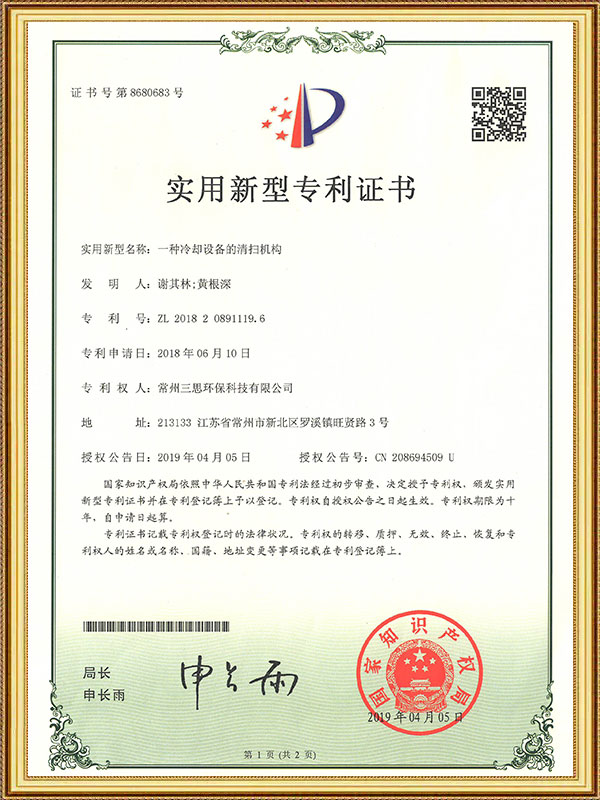
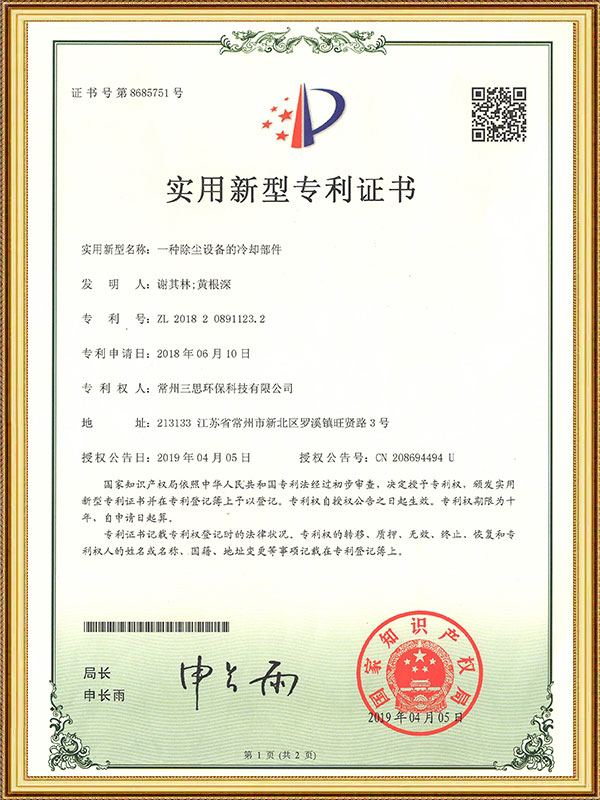
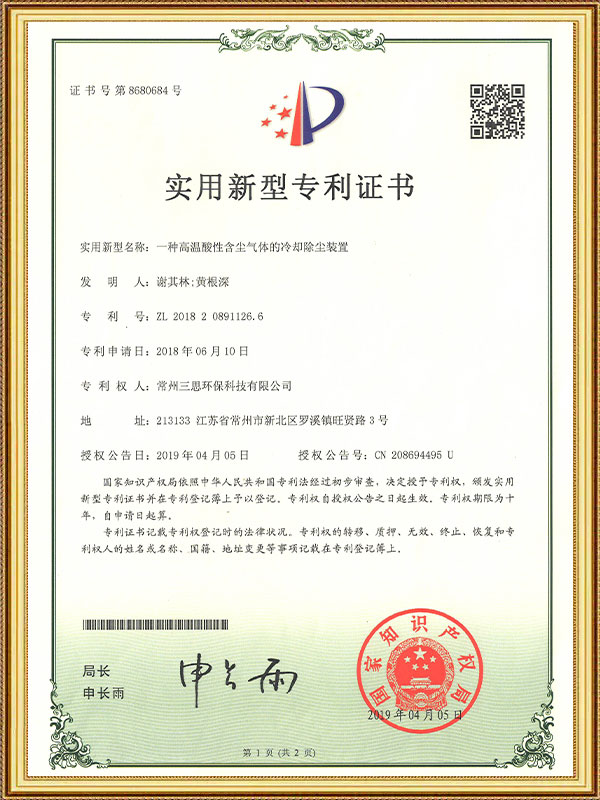
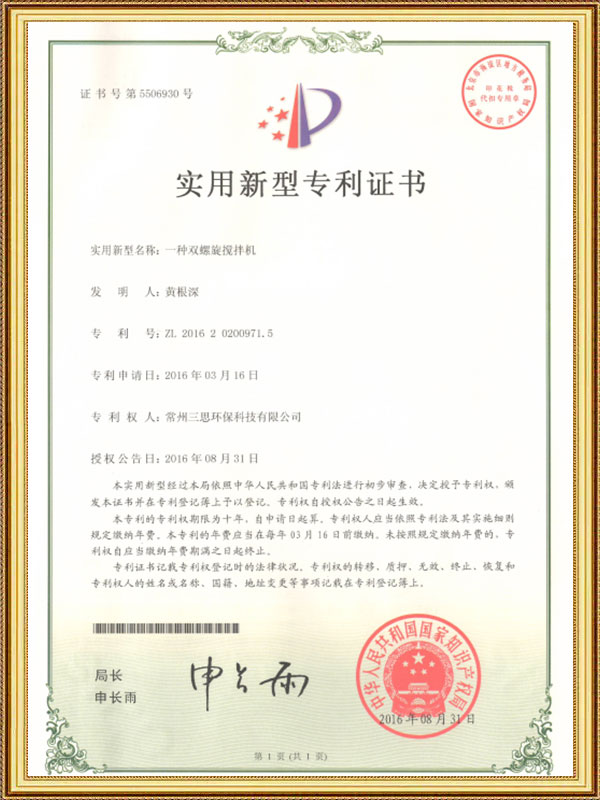
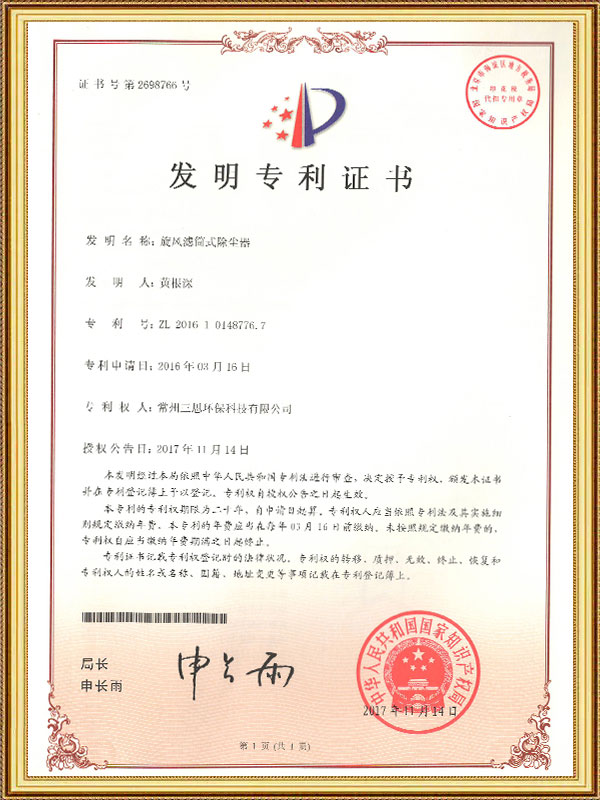
Certificates and Honors

Honorary Certification
Certificates
Latest Updates
What'S News
-
Bag Filter Selection Guide: Media Grade, Air-to-Cloth Ratio and Bag LifeA foundry that replaces its filter bags every eight months is almost never fighting the bags. It is fighting an air-to-cloth ratio set too high during sizing, or a media grade chosen on unit price instead of the gas temperature leaving th...
-
Air Pollution Control Equipment: How to Size, Select and Verify Industrial SystemsTwo cartridge collectors rated at the same 20,000 m3/h sit side by side in a die-casting plant. One holds stack emissions below 10 mg/m3 for three years. The other drifts past 25 mg/m3 within eighteen months. The housings, fan curves and ...
-
Pulse Jet Baghouse: Efficiency, Filter Media, and Maintenance Tips for Longer Bag LifeWhen a gray iron foundry replaced its aging shaker-type collector with a pulse jet baghouse, stack emissions dropped from 38 mg/Nm³ to 6 mg/Nm³ in the first week of operation. That result is typical: a well-designed pulse jet baghouse hol...
-
Oil Mist Recovery System Guide: Selection, Performance, and MaintenanceInside a machining hall with twenty CNC lathes running at 6,000 rpm, the air can hold 5 to 10 mg/m3 of oil aerosol on a busy shift, several times the 0.5 mg/m3 reference value that NIOSH recommends for mineral oil mist. The source is ever...
TDC Compact Dust Collector Industry knowledge
1. Deep-Dive Knowledge Guide on TDC Compact Dust Collectors
Industrial manufacturing requires clean, safe, and efficient work environments. For facilities dealing with dust emission issues, selecting the right air pollution control system is crucial. The TDC Compact Dust Collector represents a highly efficient solution engineered for modern industrial settings.
2. Technical Principles of Downflow and Flat Bag Filtration
The efficiency of a dust collection system depends heavily on its internal aerodynamics and media configuration. The TDC series utilizes an advanced downflow principle combined with a side-insert flat bag filter design to achieve high-performance air purification.
2.1 The Downflow Airflow Design
In traditional dust collectors, dirty air enters from the bottom, forcing dust particles to fight upward against gravity toward the filters. The downflow design reverses this process. Contaminated air enters from the upper part of the housing and flows downward.
This directional flow naturally assists gravity, pulling airborne particulates down toward the collection hopper. When the pulse cleaning system triggers, the dislodged dust travels in the same direction as the main airflow, which prevents the dust from re-settling on adjacent filter elements.
2.2 Side-Insert Flat Bag Technology
Flat bag filters offer a higher filtration surface area compared to traditional round bags within the same physical footprint. The side-insert design allows for horizontal installation and removal. This setup minimizes the vertical clearance needed above the unit, making maintenance straightforward in low-ceiling environments.
3. Thick Dust Cake Filtration and Pulse Cleaning
A common misconception in industrial air filtration is that the filter fabric alone does all the work. In reality, the accumulation of a controlled dust layer, known as a thick dust cake, plays a vital role in achieving high filtration efficiency.
3.1 Thick Dust Cake Filtration
As dust-laden air passes through the flat bags, larger particles are trapped on the outer surface. These particles form a porous matrix or cake. This layer acts as an additional, highly effective filtration barrier that captures extremely fine particulates before they can reach the base filter fabric. Utilizing thick dust cake technology ensures stable emissions and protects downstream equipment.
3.2 Flexible Online Compressed-Air Pulse Cleaning
To maintain stable airflow, the dust cake must be periodically managed. The online compressed-air pulse cleaning system delivers short, powerful bursts of compressed air into the interior of the flat bags while the system remains fully operational. This momentary reverse pressure flexes the flat bags, shedding the excess dust cake into the hopper without requiring a system shutdown.
4. Key Performance Indicators and Specifications
The compact nature of this equipment does not compromise its capacity. The system is designed to manage a specific range of air volumes while maintaining a minimal physical footprint.
The table below outlines the core parameters and performance expectations for this class of dust collection technology.
| Parameter Category | Technical Specification Detail | Operational Advantage |
|---|---|---|
| Air Handling Capacity | 1000 to 8000 cubic meters per hour | Ideal for localized source collection and medium-volume lines |
| Filter Configuration | Side-insert horizontal flat bags | Maximizes surface area while minimizing unit height |
| Airflow Direction | Downflow aerodynamic design | Enhances particle dropout and prevents dust re-entrainment |
| Cleaning Mechanism | Online automatic compressed-air pulse | Continuous operation without downtime for cleaning |
| Installation Profile | Compact footprint with low overhead clearance | Fits easily into tight factory corners and modular setups |
5. Target Industries and Particulate Suitability
The TDC Compact Dust Collector is highly adaptable but delivers optimum performance when handling dry particulates with good flowability. Several industrial sectors benefit directly from this technology.
5.1 Casting and Metal Foundry Operations
Foundry processes, including sand mold preparation, shot blasting, and grinding, generate significant volumes of dry, free-flowing dust. Capturing these materials at the source prevents worker exposure and equipment wear.
5.2 Non-Ferrous Metals and Steel Production
The processing, cutting, and shaping of aluminum, copper, and steel alloys produce fine metallic dusts. High-efficiency filtration ensures these heavy particulates are collected safely before entering the workplace atmosphere.
5.3 Chemical and Pharmaceutical Processing
Bulk material handling, mixing, and packaging in chemical and pharmaceutical plants often release fine powders into the air. The stable emission control provided by flat bag technology helps maintain strict compliance with environmental regulations.
5.4 New Energy and Battery Manufacturing
The production of modern energy storage systems involves precise material blending. The compact nature of the TDC unit allows it to be integrated directly into automated production lines where factory floor space is at a premium.
6. Why Partner with Changzhou Thinks Environmental Technology Co, Ltd
Choosing an air pollution control system involves selecting both a piece of machinery and a long-term engineering partner. Changzhou Thinks Environmental Technology Co Ltd delivers world-class industrial air pollution control solutions tailored to global manufacturing standards.
- Independent Research and Development: Every system relies on independently developed, high-quality products. This vertical integration ensures that our design, manufacturing, and quality control align perfectly with demanding industrial needs.
- Global Service Capabilities: We maintain reliable product delivery and support networks across North America, Europe, Africa, and Southeast Asia. No matter where your facility is located, we provide consistent technical engineering backup.
- Space-Saving Optimization: Our compact engineering designs focus on reducing your physical footprint while keeping installation, inspection, and maintenance processes simple.
- Cross-Industry Expertise: With deep experience across casting, chemicals, packaging, printing, steel, and new energy, we understand the specific emission challenges of your precise sector.
7. Frequently Asked Questions
7.1 What types of dust are best suited for the TDC Compact Dust Collector
This system is specifically optimized for dry industrial dust with good flowability. Examples include metal grinding dust, foundry sand fines, chemical powders, and dry process particulates. It is less suited for sticky, oily, or highly hygroscopic materials that could prevent clean release during the pulse cycle.
7.2 How does the downflow principle save energy in the system
By directing the incoming dirty air downward, the system works in harmony with gravity. Dust released during the pulse cleaning cycle falls naturally into the hopper rather than being pulled back onto adjacent filters. This reduces the frequency of pulse cleaning cycles, saves compressed air, and maintains a lower, more consistent pressure drop across the system, which lowers fan power consumption.
7.3 Can this dust collector be installed in outdoor environments
Yes, the housing is constructed to withstand industrial environments, but the specific configuration depends on your local site conditions. For outdoor installations, weatherproofing for the pulse valves, control panels, and compressed air lines is integrated to ensure operational stability across different climates.
7.4 How often do the side-insert flat bags need to be replaced
Filter bag lifespan depends heavily on the dust characteristics, operating temperatures, and daily run times. However, because of the thick dust cake filtration technology and the gentle, effective online pulse cleaning, wear on the fabric media is minimized, typically leading to extended operational cycles before replacement is required.
7.5 What maintenance access is required for this compact design
The side-insert design means all filter inspection and replacement happen from the side doors of the unit. There is no need for maintenance personnel to climb on top of the collector or require high overhead clearance, making it highly suitable for factories with restricted vertical space.
 From concept to production, we can
create the products you want.
From concept to production, we can
create the products you want.

PRODUCTION LINE
Flat Bag Dust Collector Cartridge Dust Collector Oil Mist Processor Explosion-Proof Wet Dust Collector High Vacuum Dust Collector Auxiliary EquipmentCONTACT INFO
WhatsApp:+86 15295158465 E-mail:[email protected] Add: No. 3 Wangxian Road, Airport Industrial Park, Xinbei District, Changzhou City
Copyright © Changzhou Thinks Environmental Technology Co., Ltd. All Rights
Reserved.
Wholesale TDC Compact Dust Collector Manufacturers
