


 English
  عربى
عربى  Español
  中文简体
中文简体
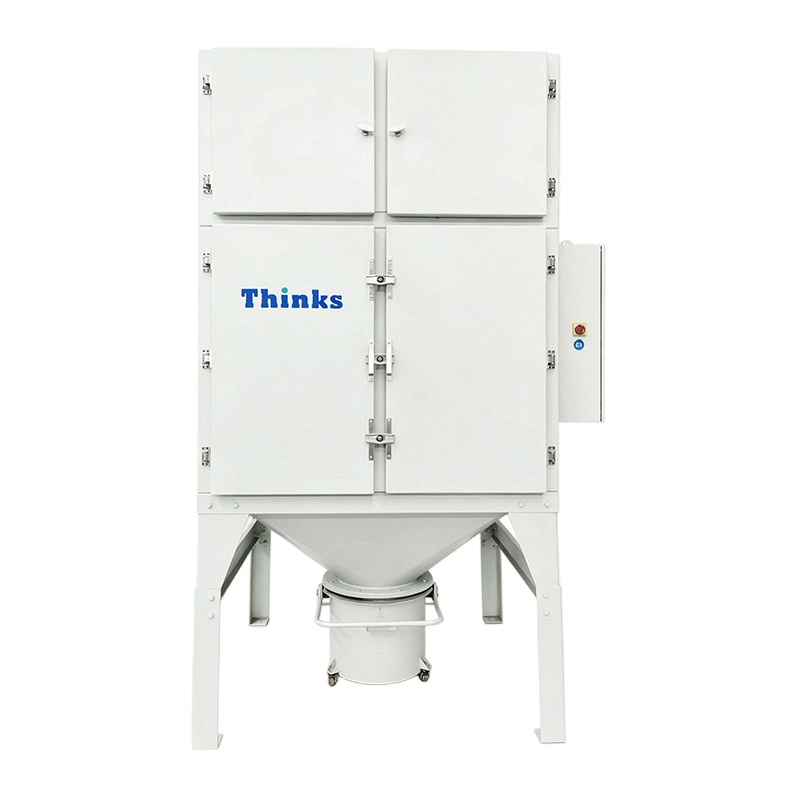

TCU/TCS Series Air Cooler
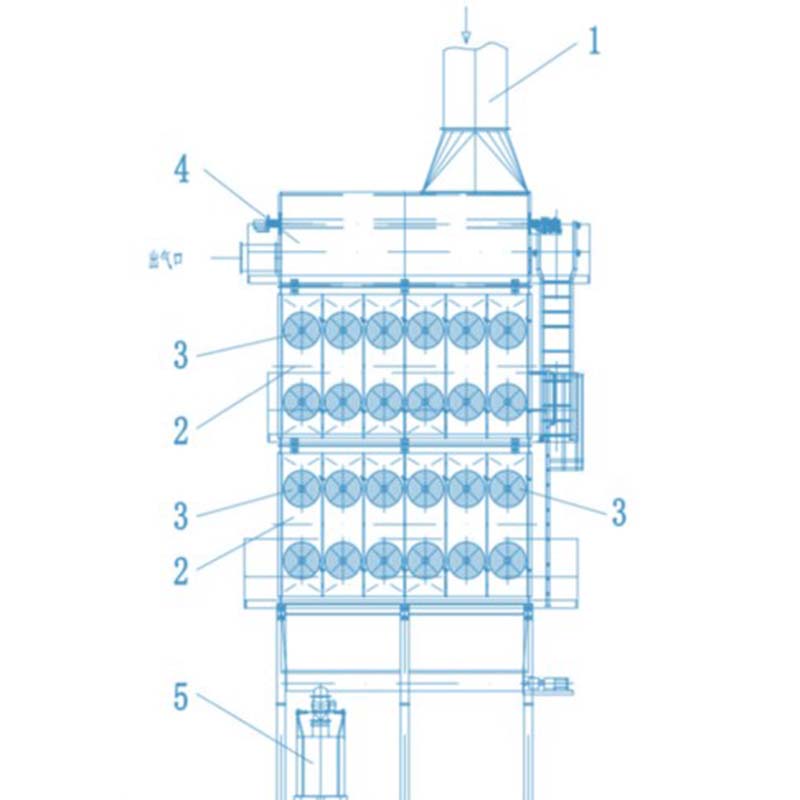
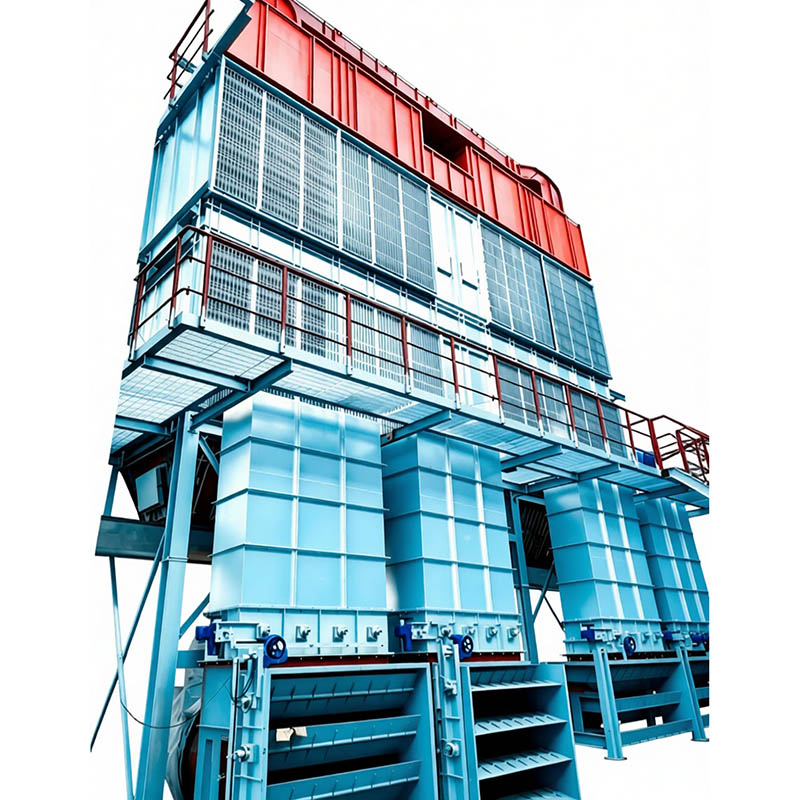
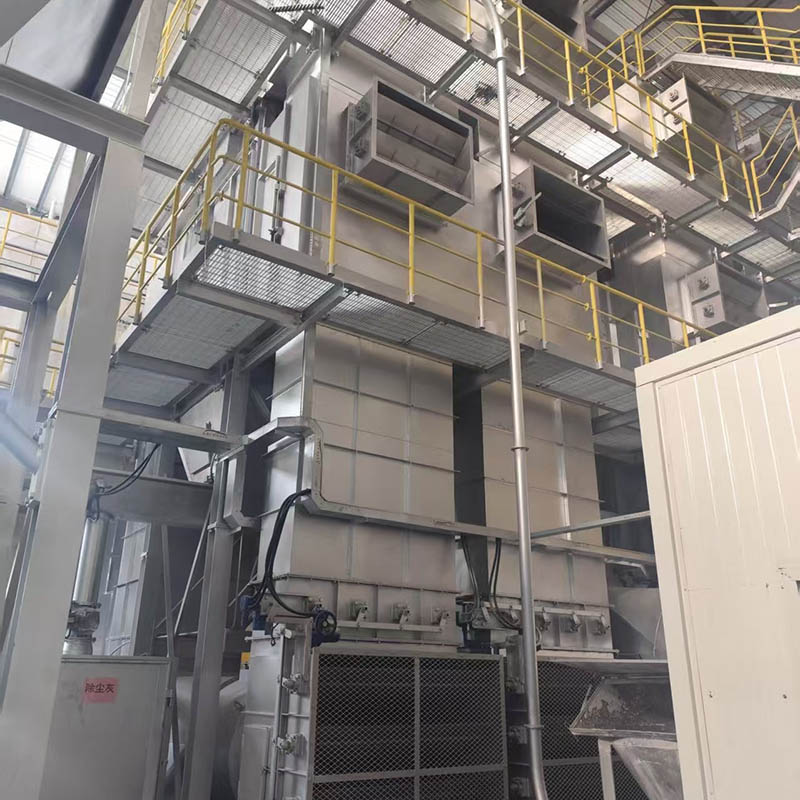
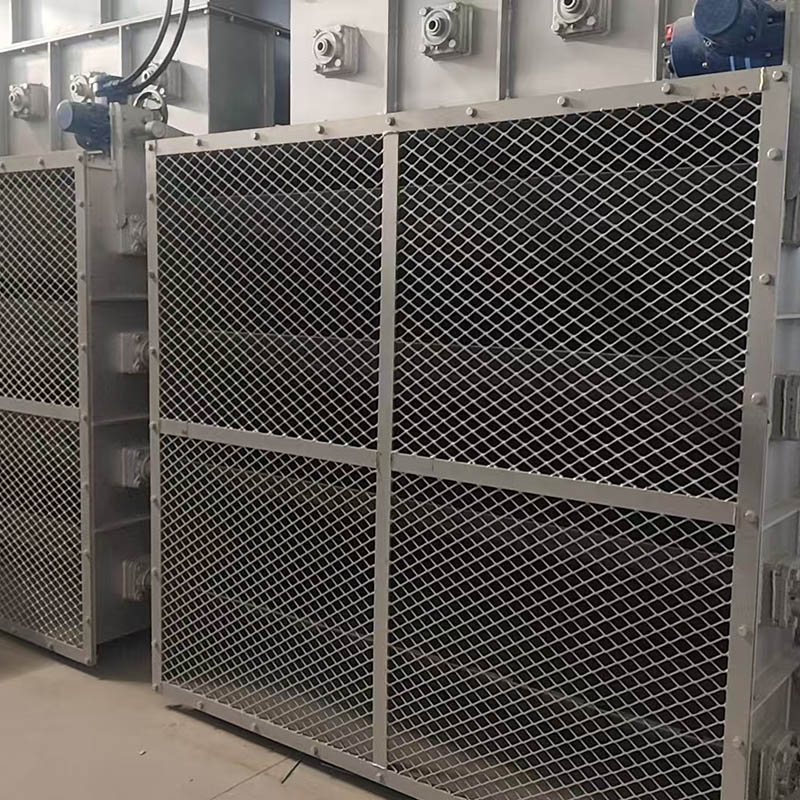
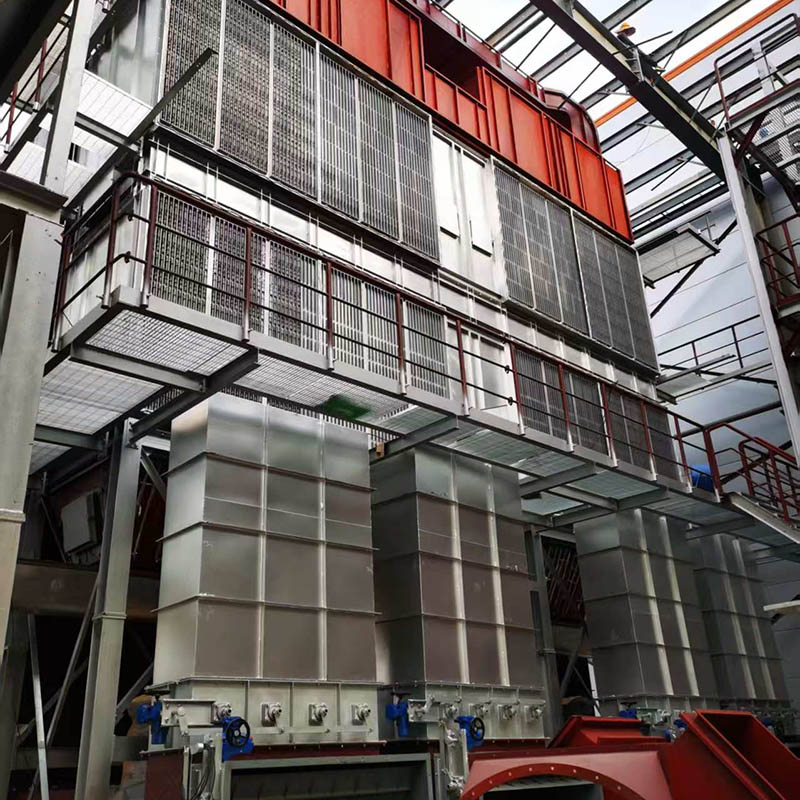
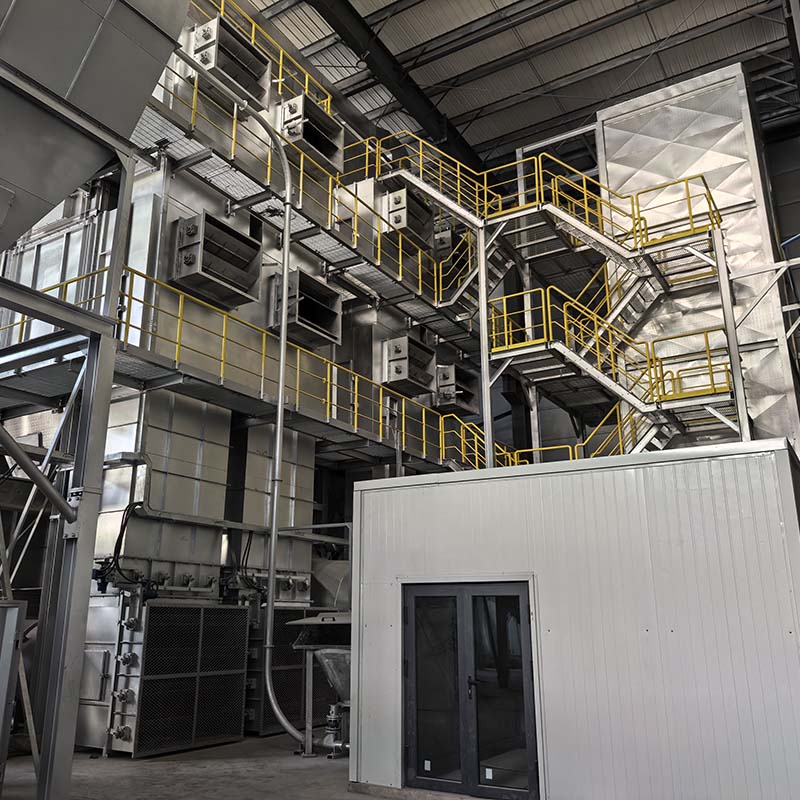
The air cooler is the core cooling device in the dust removal system. Through efficient heat exchange, it can cool high-temperature flue gas to a suitable temperature, significantly improving the operating efficiency and stability of dust removal equipment.
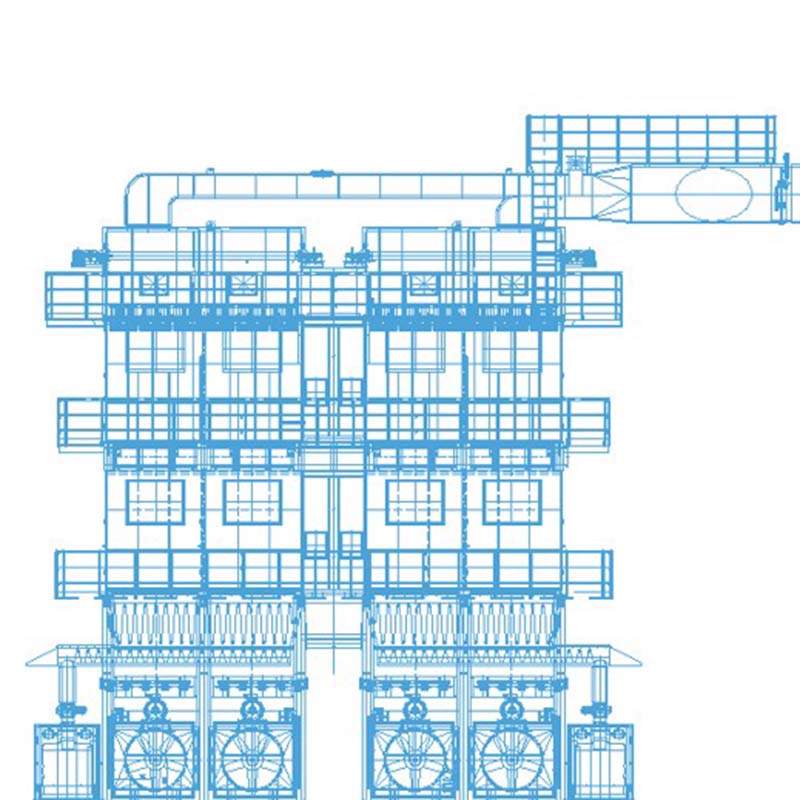
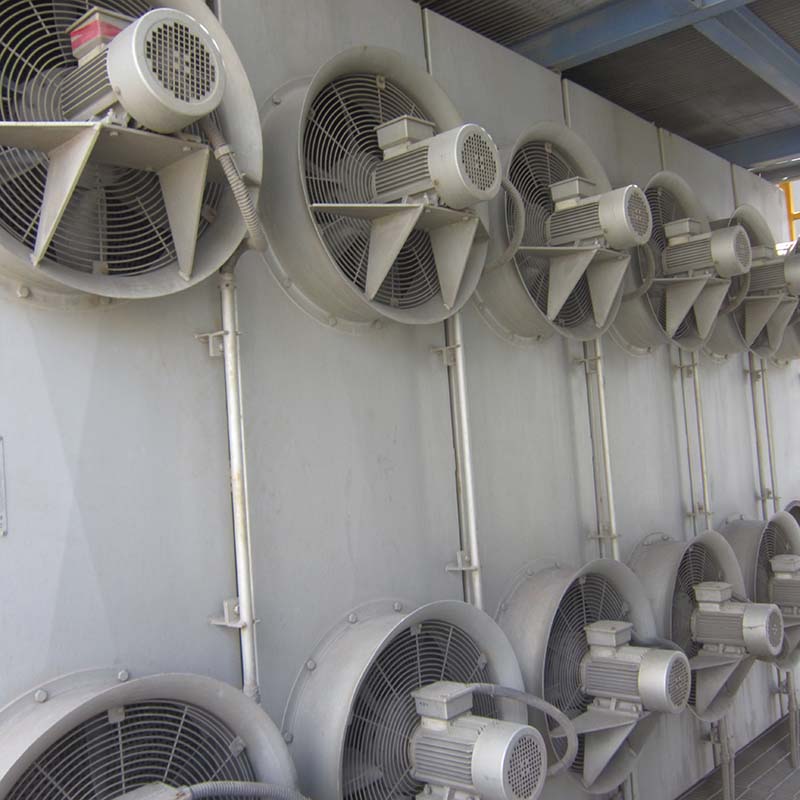
Unlike the TCS, the TCU provides a preheating function for the cooling air. In this case, part of the heated cooling air is mixed with ambient air and drawn into the cooling fan. The mixed temperature can be adjusted by opening or closing the fresh air valve. Its cooling area ranges from 100 to 1800 square meters, enable it to adapt to the needs of different operating conditions. The equipment features a compact modular design, occupying minimal space and offering flexible layout options. The counterflow heat exchange design enhances heat exchange efficiency, and with the chain-type cleaning system, it has a simple structure and easy maintenance, making it an ideal cooling solution for industrial dust removal scenarios.
- Contact Us
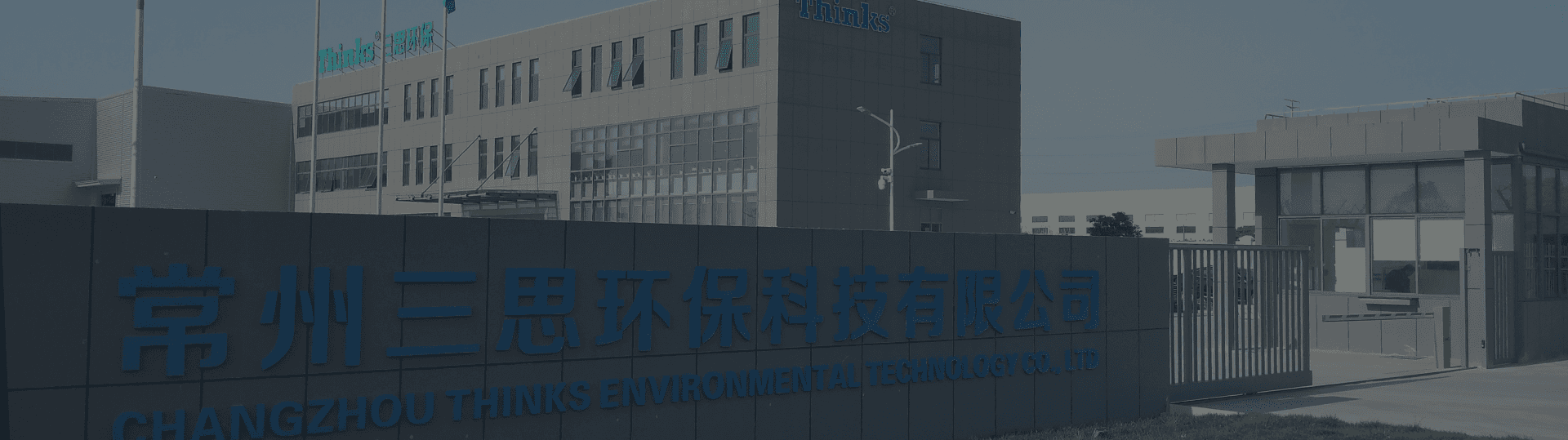
Changzhou Thinks Environmental Technology Co., Ltd.
Changzhou Thinks Environmental Technology Co., Ltd. is a system supplier specializing in industrial air pollution control. We are China TCU/TCS Series Air Cooler Manufacturers and OEM/ODM TCU/TCS Series Air Cooler Factory.Relying on independently developed high-quality products, we provide customers with world-class product technology and solutions.Thinks has global service capabilities and its products are exported to North America, Europe, Africa, Southeast Asia and other regions. Its main service areas include casting, non-ferrous metals, chemical industry, steel, packaging, printing, pharmaceuticals,new energy and other industries.

-
0 +
Cooperative Clients
-
0 m²
square-meter Self-built Factory
-
0 +
Dust collectors / sets
-
0 +
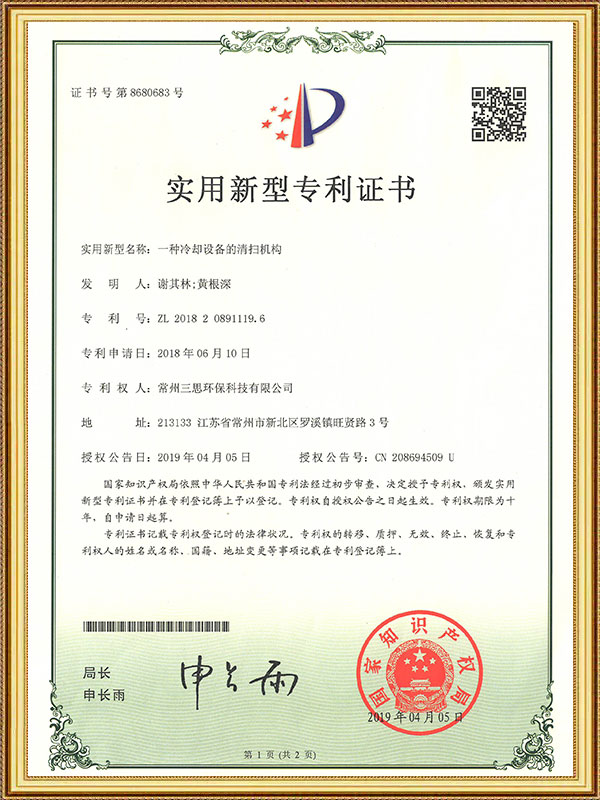
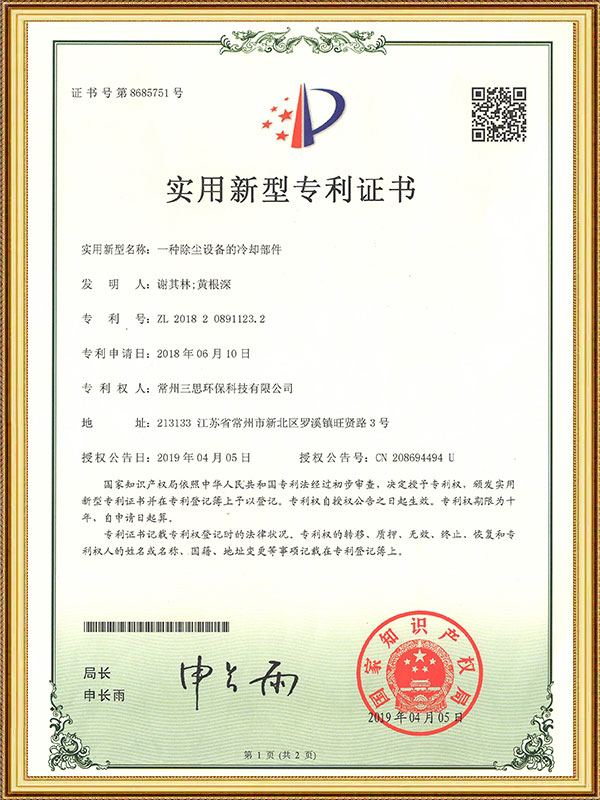
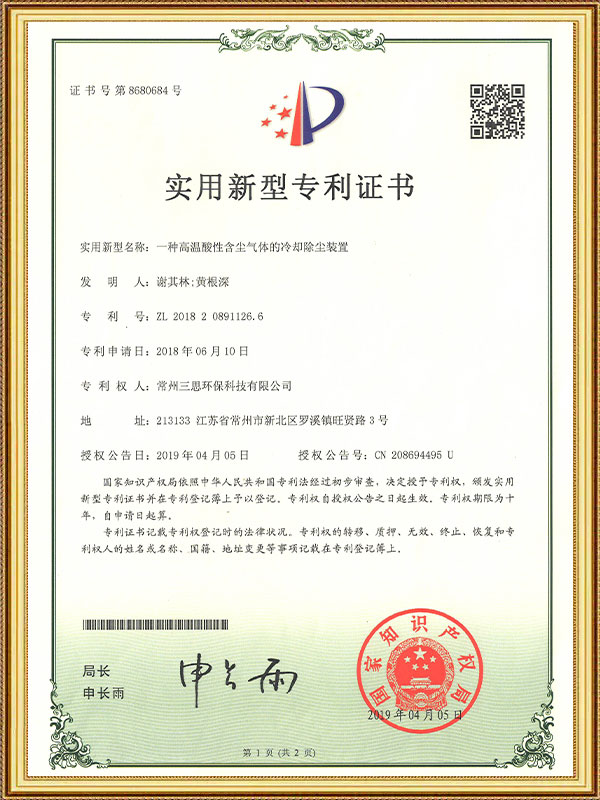
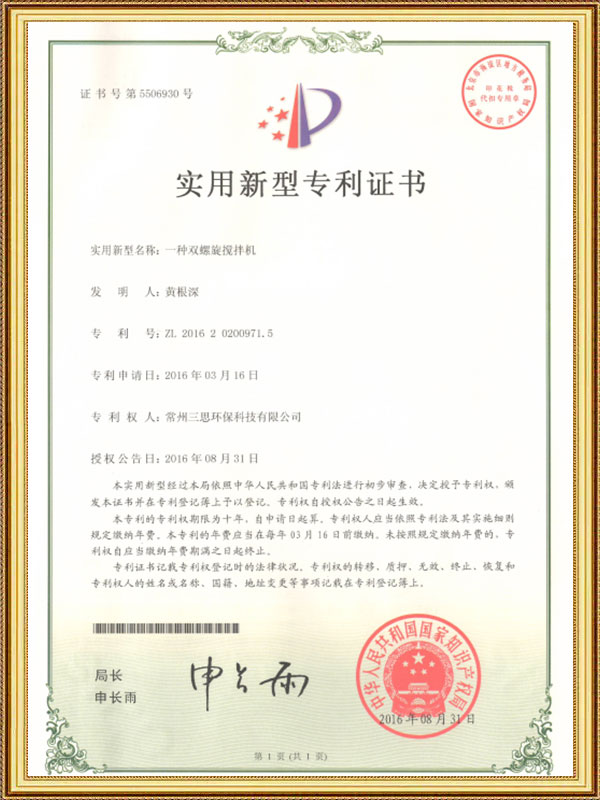
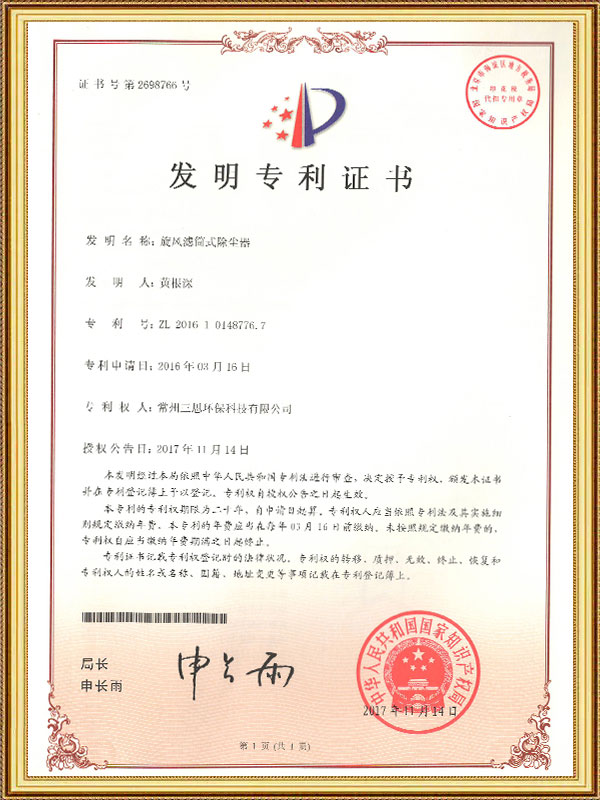
Certificates and Honors

Honorary Certification
Certificates
Latest Updates
What'S News
-
Bag Filter Selection Guide: Media Grade, Air-to-Cloth Ratio and Bag LifeA foundry that replaces its filter bags every eight months is almost never fighting the bags. It is fighting an air-to-cloth ratio set too high during sizing, or a media grade chosen on unit price instead of the gas temperature leaving th...
-
Air Pollution Control Equipment: How to Size, Select and Verify Industrial SystemsTwo cartridge collectors rated at the same 20,000 m3/h sit side by side in a die-casting plant. One holds stack emissions below 10 mg/m3 for three years. The other drifts past 25 mg/m3 within eighteen months. The housings, fan curves and ...
-
Pulse Jet Baghouse: Efficiency, Filter Media, and Maintenance Tips for Longer Bag LifeWhen a gray iron foundry replaced its aging shaker-type collector with a pulse jet baghouse, stack emissions dropped from 38 mg/Nm³ to 6 mg/Nm³ in the first week of operation. That result is typical: a well-designed pulse jet baghouse hol...
-
Oil Mist Recovery System Guide: Selection, Performance, and MaintenanceInside a machining hall with twenty CNC lathes running at 6,000 rpm, the air can hold 5 to 10 mg/m3 of oil aerosol on a busy shift, several times the 0.5 mg/m3 reference value that NIOSH recommends for mineral oil mist. The source is ever...
TCU/TCS Series Air Cooler Industry knowledge
1. Comprehensive Analysis of High Temperature Industrial Flue Gas Cooling Technology
In modern industrial air pollution control, managing the temperature of exhaust gases is a critical step before filtration and dust collection. High-temperature flue gases from industries like metallurgy, casting, steel making, and chemical processing cannot be directly introduced into standard fabric filter baghouses. Excessive temperatures can destroy filter media, cause structural warping, or lead to catastrophic equipment failure.
Industrial air coolers serve as the primary thermal management solution in these systems. By lowering the gas temperature to a safe and stable operating range, these heat exchangers protect downstream assets, prevent condensation, and optimize the overall volumetric flow rate. Lowering the gas temperature reduces its volume, which allows factories to install smaller, more cost-effective dust collectors and fans, drastically reducing capital and operational expenditure.
2. Technical Comparison of TCU and TCS Series Air Coolers
Choosing the right cooling configuration depends heavily on environmental conditions, process stability, and the risk of acid dew point corrosion. The TCS Series provides a straightforward, highly efficient cooling mechanism ideal for stable processes. The TCU Series introduces an advanced preheating and recirculation system designed for variable climates and demanding chemical environments.
The table below outlines the core technical differences, design structures, and application parameters between these two industry-leading air cooling series:
| Equipment Feature | TCS Series Air Cooler | TCU Series Air Cooler |
|---|---|---|
| Primary Function | Direct high-efficiency flue gas cooling | Flue gas cooling with air preheating capability |
| Cooling Surface Area Range | 100 to 1800 square meters | 100 to 1800 square meters |
| Air Management System | Ambient air intake only | Ambient air mixed with heated recirculation air |
| Temperature Control Method | Fan speed adjustment | Fresh air valve modulation and fan speed |
| Dew Point Corrosion Prevention | Standard operational monitoring | Advanced protection via inlet air preheating |
| Structural Design Type | Compact modular construction | Compact modular construction |
| Cleaning System Integration | Mechanical chain-type scraper system | Mechanical chain-type scraper system |
| Ideal Operational Environment | Stable ambient temperatures and low moisture | Cold climates, high humidity, or variable loads |
3. The Core Working Principle and Mechanical Innovations
The engineering behind the TCU/TCS Series centers on maximizing heat transfer efficiency while maintaining a robust, low-maintenance structural footprint.
3.1 Counterflow Heat Exchange Design
Both series utilize a counterflow thermal arrangement. In this design, the high-temperature flue gas and the cooling air move in opposite directions. This maintains a uniform temperature differential across the entire heat exchange surface, maximizing the heat transfer rate per square meter and preventing localized thermal stress on the steel structures.
3.2 Modulating Fresh Air Valve and Preheating (TCU Exclusive)
The defining feature of the TCU Series is its ability to blend ambient air with a portion of the heated exhaust cooling air. When industrial plants operate in sub-zero winter temperatures, introducing freezing air directly into the heat exchanger can cause the internal flue gas temperature to drop below its acid dew point. This leads to moisture condensation and severe chemical corrosion. The TCU utilizes a programmable fresh air valve to mix the air, raising the intake temperature to a safe level and ensuring stable internal operating conditions.
3.3 Automatic Chain Type Cleaning System
Industrial dust removal gas is inherently dirty and laden with particulates. Over time, dust accumulates on the heat exchange surfaces, creating a thermal barrier that reduces cooling efficiency. The integrated chain-type cleaning system runs continuously or on timed cycles to mechanically remove dust buildup from the tubes without disrupting production, ensuring constant thermal performance.
4. Strategic Advantages of Partnering with Our Company
Choosing an industrial environmental partner requires a balance of engineering expertise, product reliability, and comprehensive lifecycle support. Changzhou Thinks Environmental Technology Co., Ltd. delivers world-class value through several distinct service advantages:
- Advanced Independent Engineering: Changzhou Thinks Environmental Technology Co., Ltd. relies on in-house research and development to build proprietary air pollution control products that outperform generic market alternatives.
- True Modular Flexibility: Our systems are designed with space constraints in mind. The modular block layout allows for easy expansion, flexible positioning, and minimal foundation footprint on-site.
- Global Export and Compliance Expertise: With active systems running across North America, Europe, Africa, and Southeast Asia, our team understands international industrial standards, shipping logistics, and structural compliance codes.
- Comprehensive Multi-Industry Experience: From heavy casting and non-ferrous metal smelting to sensitive pharmaceutical production, new energy manufacturing, and chemical processing, we tailor our solutions to your specific sector regulations.
- End-to-End Technical Support: We offer global service capabilities that span from initial gas volume calculations and custom system design to installation guidance, system commissioning, and long-term spare parts supply.
5. Frequently Asked Questions
Question 1: How does an industrial air cooler improve the lifespan of baghouse dust collectors?
Answer 1: Baghouse filter media have strict maximum operating temperature limits. Standard polyester or Nomex bags can singe or melt if exposed to raw process gas. By dropping the flue gas temperature into a safe zone, the air cooler prevents thermal shock, eliminates bag burn-outs, and ensures the filter cakes release cleanly during pulse-jet cleaning.
Question 2: Why is the preheating function of the TCU Series critical for cold climate operations?
Answer 2: In cold regions, introducing raw ambient air can overcool the heat exchanger walls. If the temperature drops below the acid dew point of the flue gas, sulfur oxides and water vapor will condense into highly corrosive acids. The TCU mixes hot exhaust air with fresh air to keep the cooling surfaces safely above this condensation threshold.
Question 3: What maintenance is required for the automatic chain-type cleaning system?
Answer 3: The chain-type cleaning system is engineered for low maintenance. Operators only need to perform routine periodic inspections of the drive chain tension, check the wear status of the scraper blades, and ensure the gear motor is properly lubricated according to the standard factory maintenance schedule.
Question 4: Can the TCU/TCS Series be integrated into existing air pollution control systems?
Answer 4: Yes. Thanks to the compact modular design utilized by Changzhou Thinks Environmental Technology Co., Ltd., these air coolers can be easily retrofitted into existing ductwork lines between the primary industrial furnace and the final dust collector, adapting smoothly to tight physical footprints.
Question 5: How do I select the proper cooling area size for my factory operation?
Answer 5: The required cooling area, ranging from 100 to 1800 square meters, is calculated based on your total inlet gas volume flow rate, the maximum entry temperature of the flue gas, the target exit temperature required by your filtration media, and the local ambient summer design temperature.
 From concept to production, we can
create the products you want.
From concept to production, we can
create the products you want.

PRODUCTION LINE
Flat Bag Dust Collector Cartridge Dust Collector Oil Mist Processor Explosion-Proof Wet Dust Collector High Vacuum Dust Collector Auxiliary EquipmentCONTACT INFO
WhatsApp:+86 15295158465 E-mail:[email protected] Add: No. 3 Wangxian Road, Airport Industrial Park, Xinbei District, Changzhou City
Copyright © Changzhou Thinks Environmental Technology Co., Ltd. All Rights
Reserved.
Wholesale TCU/TCS Series Air Cooler Manufacturers
