


 English
  عربى
عربى  Español
  中文简体
中文简体
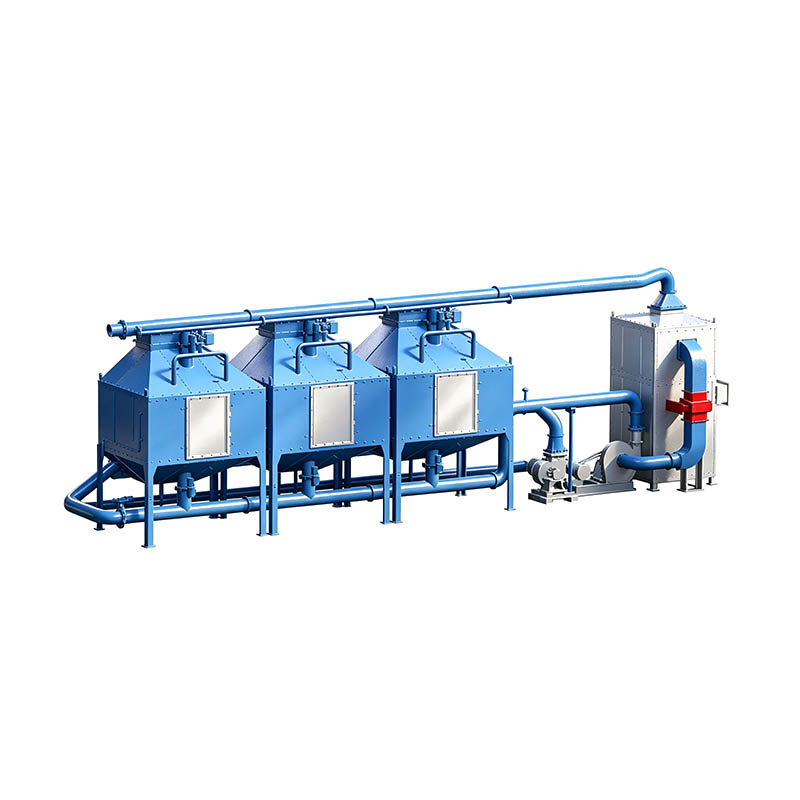
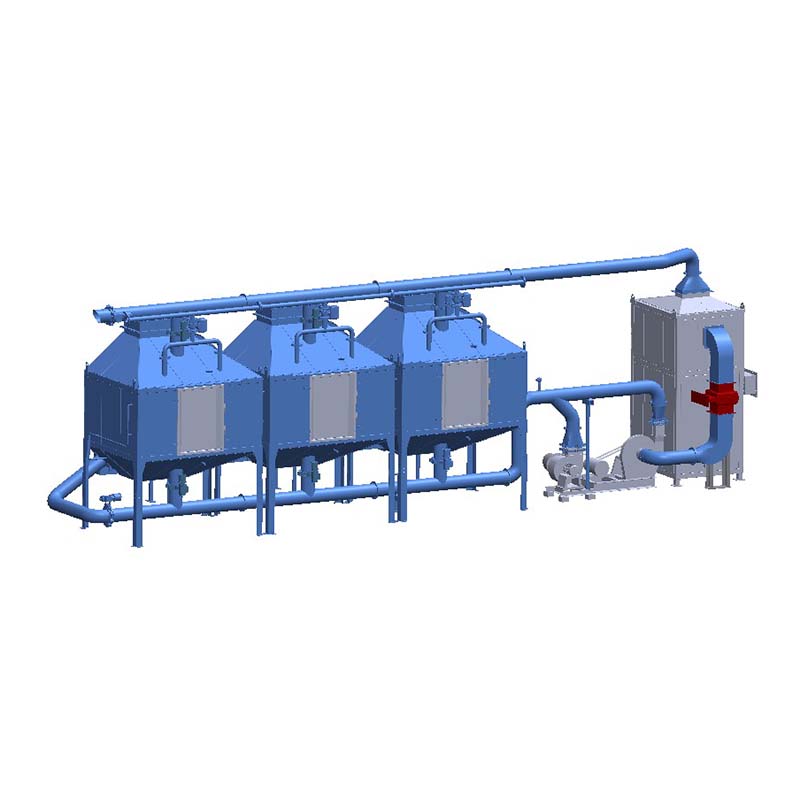
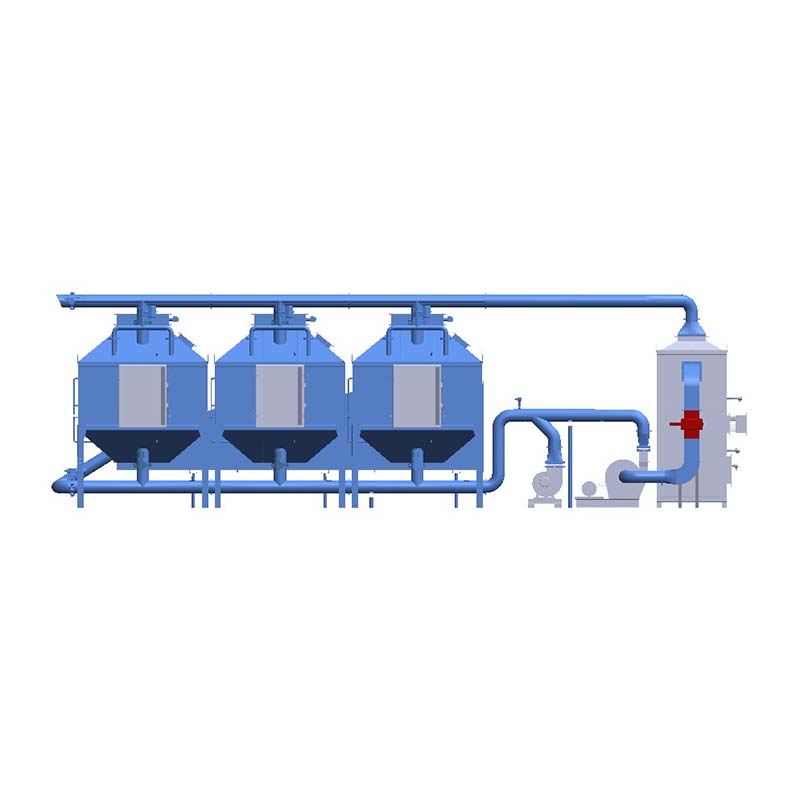
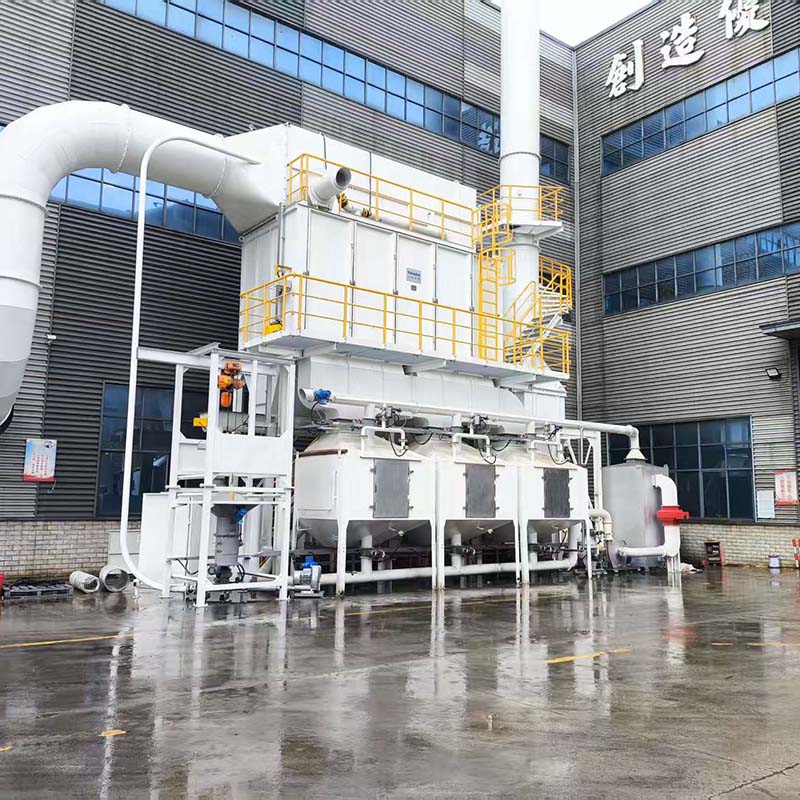
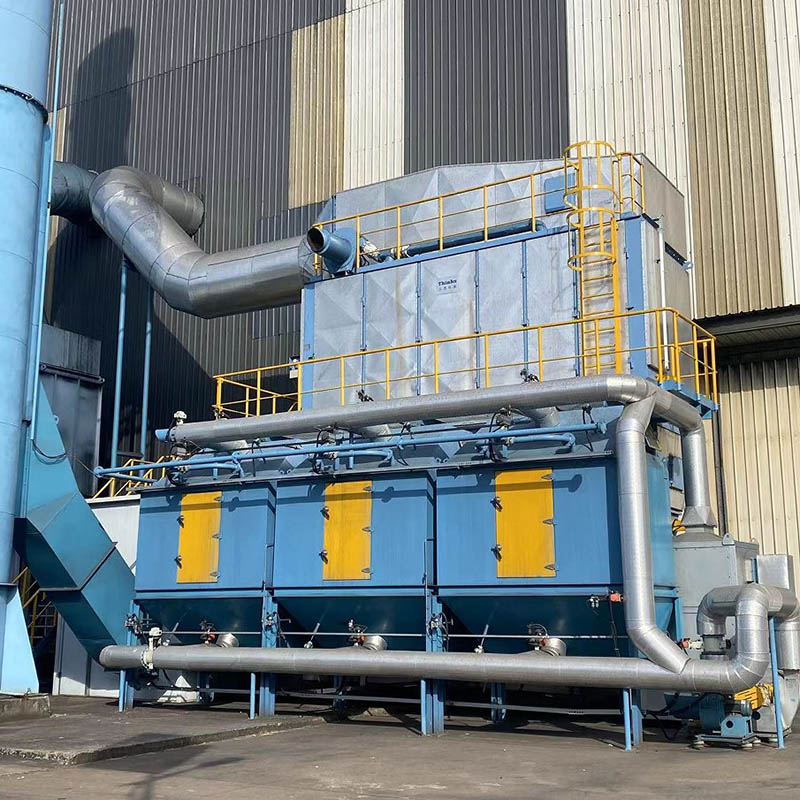
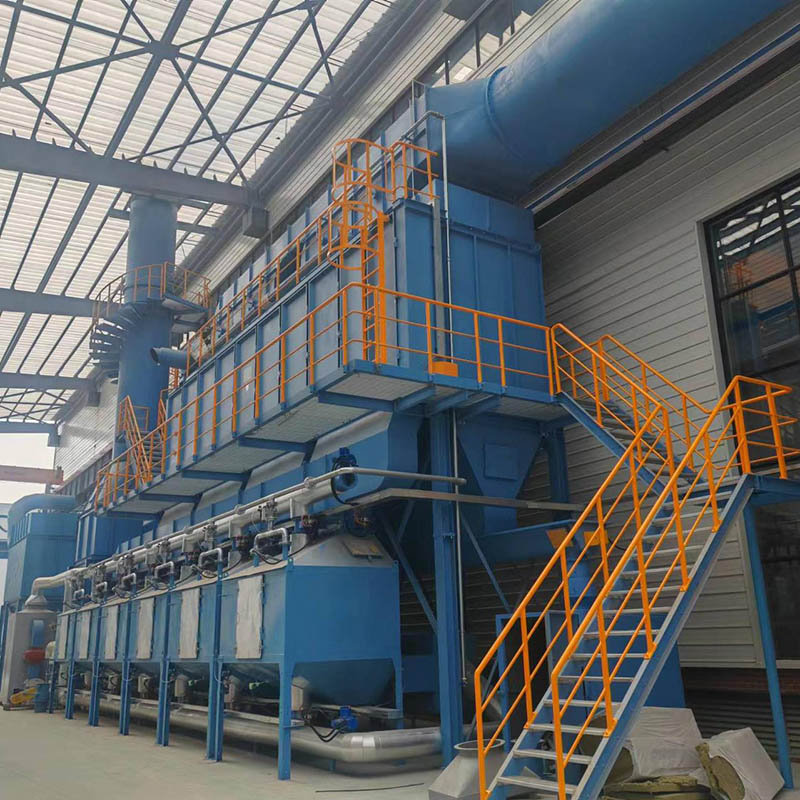
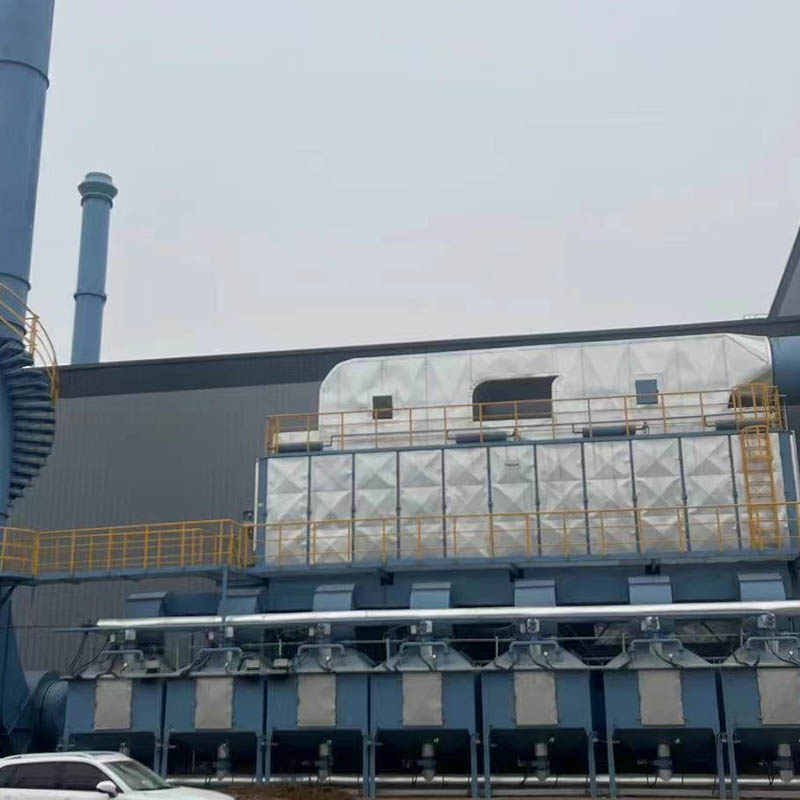
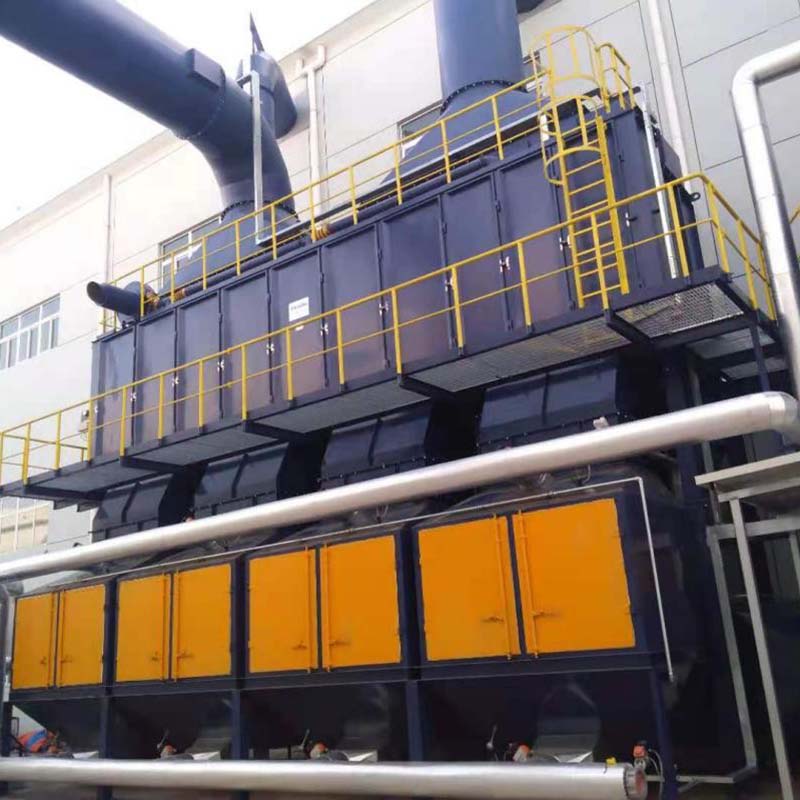
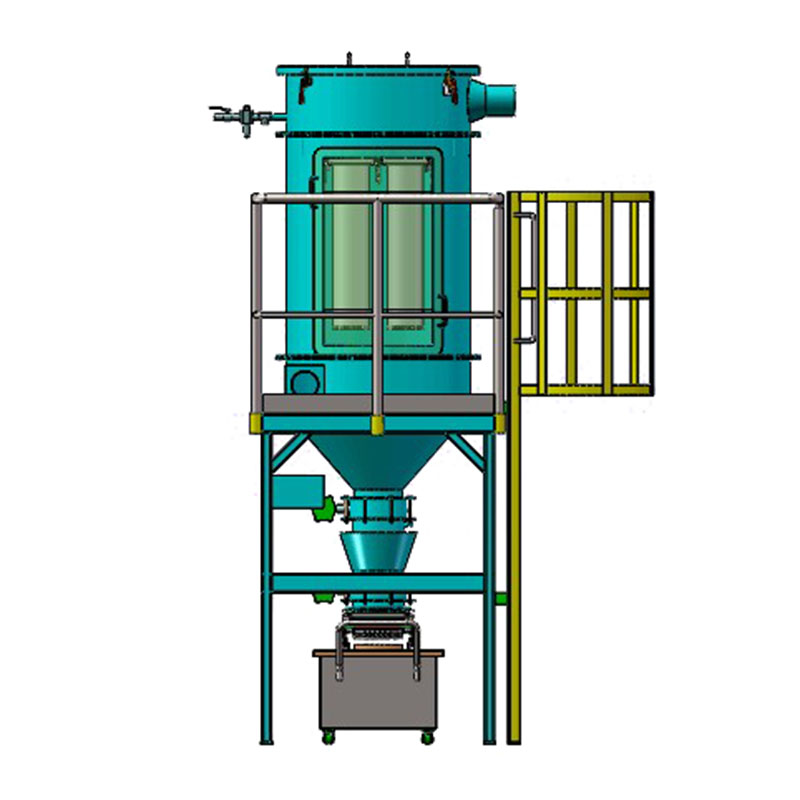

Activated Carbon Adsorption, Desorption, and Catalytic Combustion System
The Activated Carbon Adsorption, Desorption, and Catalytic Combustion System integrates adsorption concentration with catalytic combustion. Initially, low-concentration organic waste gas pollutants are adsorbed by the activated carbon. Once saturated, the pollutants are released through a desorption process and concentrated before being sent into the catalytic combustion bed, where they are thermally decomposed into harmless substances. The heat is recovered to achieve energy recycling.
This system is suitable for industries such as casting, chemicals, and printing, handling continuous, high-flow, low-concentration organic waste gases. It offers the advantages of high-efficiency purification, resource recovery, and energy savings.
- Contact Us
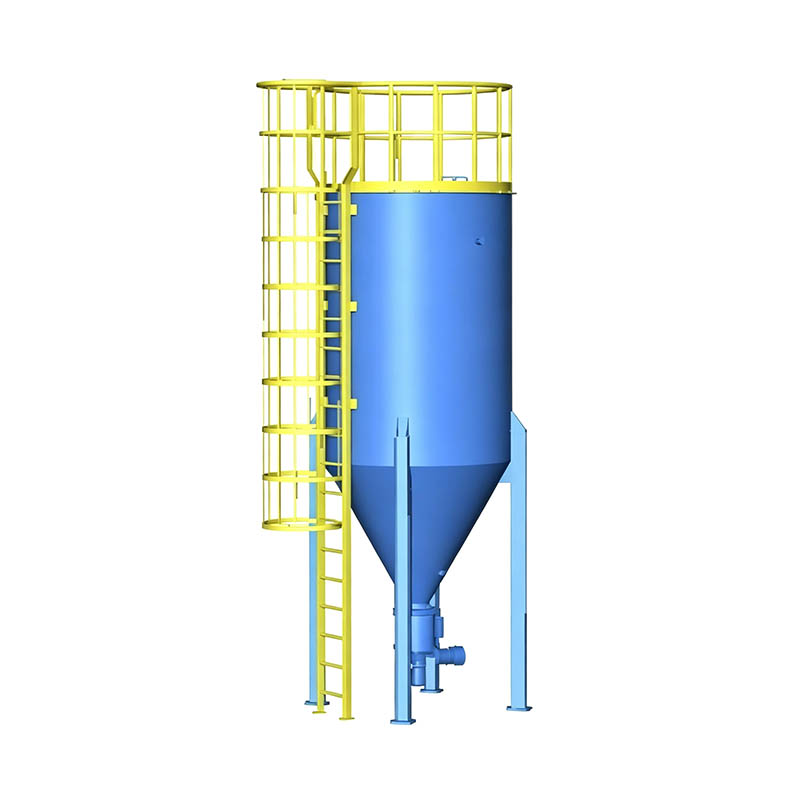
Changzhou Thinks Environmental Technology Co., Ltd.
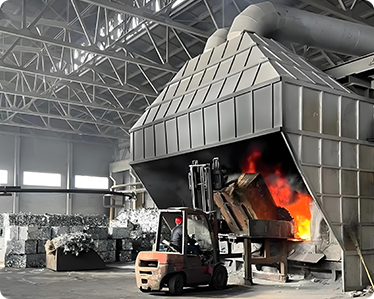
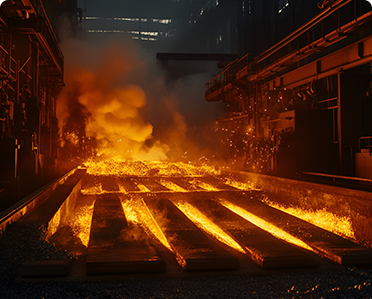
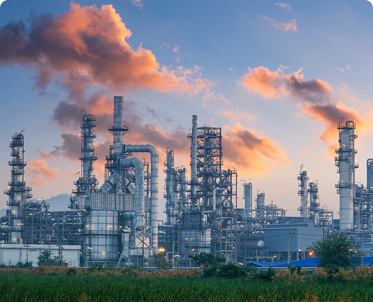
Changzhou Thinks Environmental Technology Co., Ltd. is a system supplier specializing in industrial air pollution control. We are China Activated Carbon Adsorption, Desorption, and Catalytic Combustion System Manufacturers and OEM/ODM Activated Carbon Adsorption, Desorption, and Catalytic Combustion System Factory.Relying on independently developed high-quality products, we provide customers with world-class product technology and solutions.Thinks has global service capabilities and its products are exported to North America, Europe, Africa, Southeast Asia and other regions. Its main service areas include casting, non-ferrous metals, chemical industry, steel, packaging, printing, pharmaceuticals,new energy and other industries.

-
0 +
Cooperative Clients
-
0 m²
square-meter Self-built Factory
-
0 +
Dust collectors / sets
-
0 +
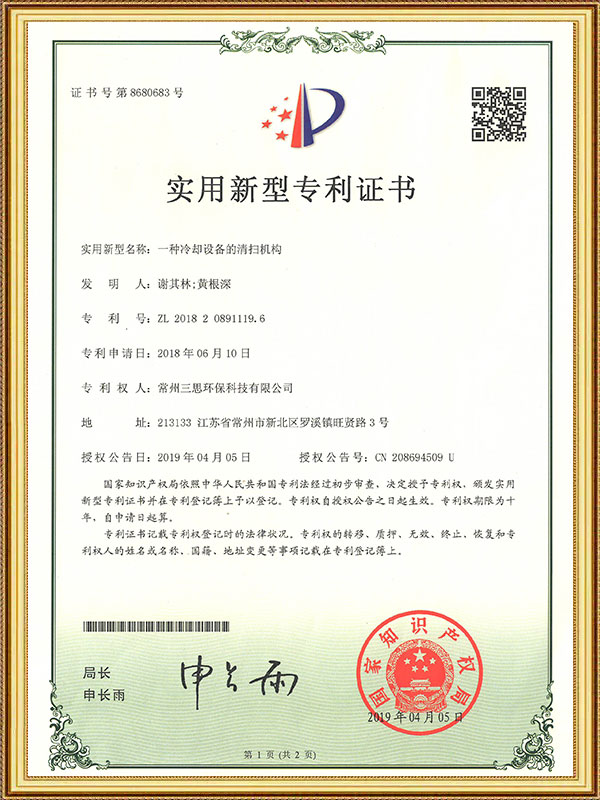
Certificates and Honors
Honorary Certification
Certificates
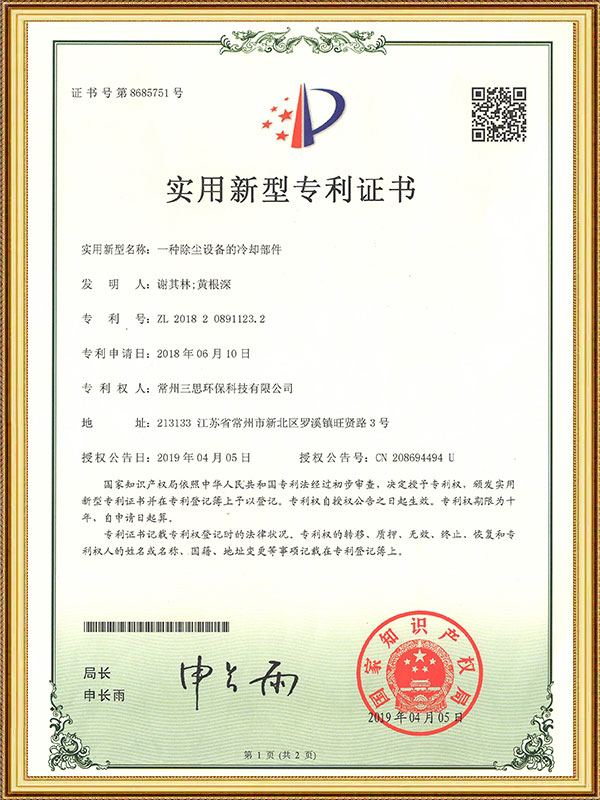
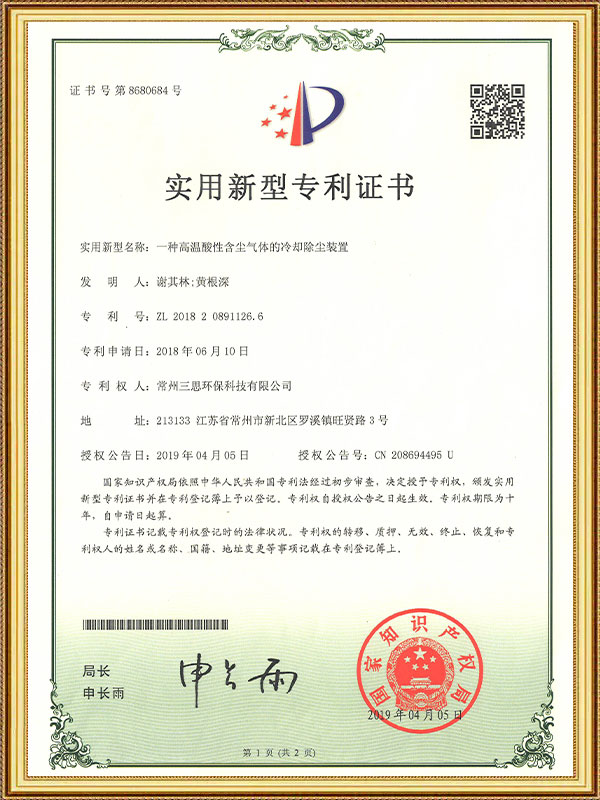
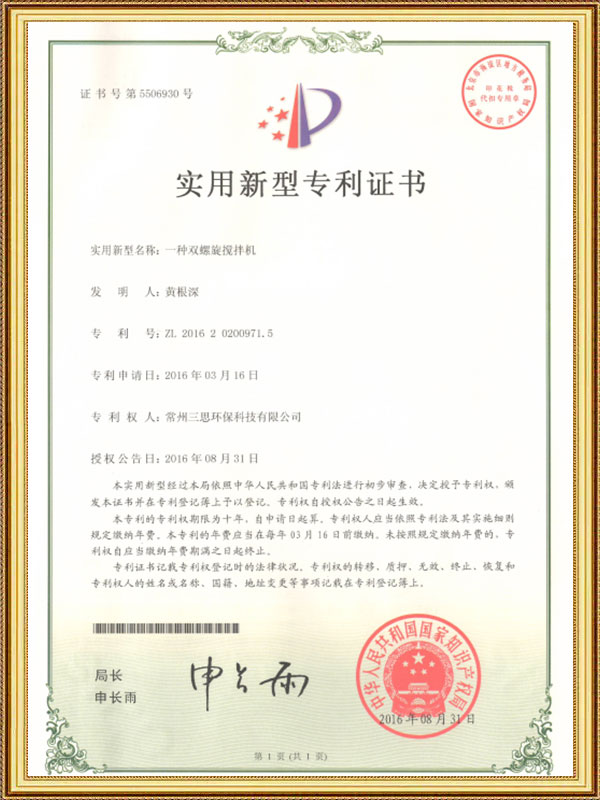
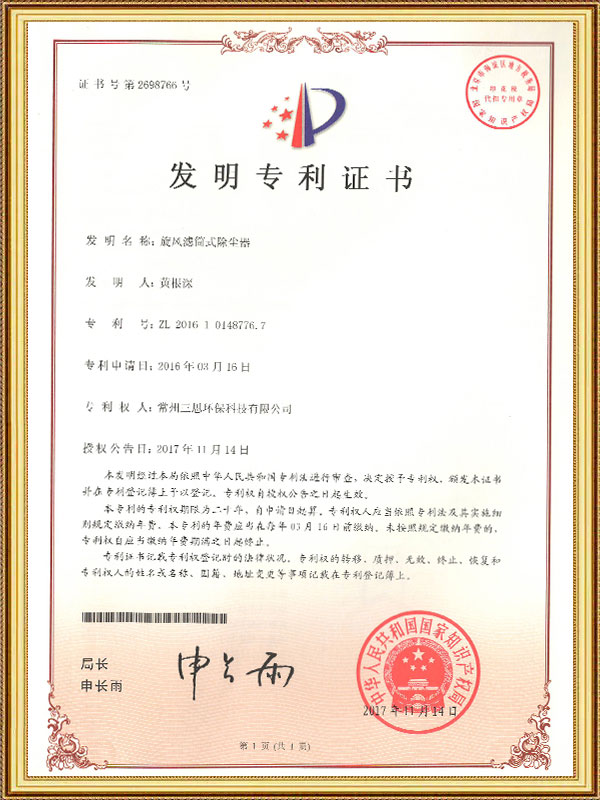
Latest Updates
What'S News
-
Bag Filter Selection Guide: Media Grade, Air-to-Cloth Ratio and Bag LifeA foundry that replaces its filter bags every eight months is almost never fighting the bags. It is fighting an air-to-cloth ratio set too high during sizing, or a media grade chosen on unit price instead of the gas temperature leaving th...
-
Air Pollution Control Equipment: How to Size, Select and Verify Industrial SystemsTwo cartridge collectors rated at the same 20,000 m3/h sit side by side in a die-casting plant. One holds stack emissions below 10 mg/m3 for three years. The other drifts past 25 mg/m3 within eighteen months. The housings, fan curves and ...
-
Pulse Jet Baghouse: Efficiency, Filter Media, and Maintenance Tips for Longer Bag LifeWhen a gray iron foundry replaced its aging shaker-type collector with a pulse jet baghouse, stack emissions dropped from 38 mg/Nm³ to 6 mg/Nm³ in the first week of operation. That result is typical: a well-designed pulse jet baghouse hol...
-
Oil Mist Recovery System Guide: Selection, Performance, and MaintenanceInside a machining hall with twenty CNC lathes running at 6,000 rpm, the air can hold 5 to 10 mg/m3 of oil aerosol on a busy shift, several times the 0.5 mg/m3 reference value that NIOSH recommends for mineral oil mist. The source is ever...
Activated Carbon Adsorption, Desorption, and Catalytic Combustion System Industry knowledge
1 Introduction to Industrial VOC Mitigation Technology
Industrial air pollution control has become a cornerstone of sustainable manufacturing across global sectors like casting, chemicals, non-ferrous metals, and printing. Among the various technologies available for volatile organic compound mitigation, the Activated Carbon Adsorption Desorption and Catalytic Combustion System stands out as a premier solution. This integrated technology addresses the challenge of managing large volumes of low-concentration organic waste gas, converting hazardous emissions into harmless byproducts while minimizing energy consumption.
Understanding the underlying mechanics, operational benefits, and application scenarios of this system allows industrial facilities to achieve compliance with stringent environmental regulations while optimizing operational costs.
2 System Components and Material Specifications
The efficacy of an industrial emissions system relies heavily on the quality of its components and the structural design of its processing units. A standard system consists of pre-treatment filtration, multiple activated carbon beds, a desorption heating unit, a catalytic combustion chamber, and an intelligent control system.
2.1 Pre-Treatment Filtration Unit
Before raw waste gas enters the adsorption phase, it must undergo strict pre-treatment. Industrial exhaust often contains particulate matter, dust, and oil mists that can clog the micropores of the adsorbent material. High-efficiency dry filters or water scrubbers remove these contaminants to protect the core components.
2.2 Honeycomb Activated Carbon Bed
The adsorption phase utilizes high iodine value honeycomb activated carbon. This material is chosen for its low airflow resistance and high structural strength. The geometric design allows for rapid mass transfer and maximum surface area exposure, ensuring that volatile organic compounds are effectively trapped within the carbon matrix.
2.3 Catalytic Combustion Chamber with Precious Metal Catalyst
The desorption stream, now highly concentrated, enters the catalytic combustion chamber. Inside, a precious metal catalyst, typically composed of platinum or palladium, distributed on a ceramic honeycomb substrate, facilitates low temperature oxidation. This allows the organic compounds to break down without the extreme temperatures required by direct thermal incineration.
3 Comprehensive Technical Specifications Matrix
To provide a clear understanding of how these systems operate across different industrial capacities, the following data table outlines the core technical and operational parameters typical of high-performance installations.
| Parameter Category | Technical Metric Specification | Operational Impact on Performance |
|---|---|---|
| Processing Airflow Range | 5000 to 100000 cubic meters per hour | Accommodates small-scale printing shops to massive casting lines |
| VOC Purification Efficiency | 95 percent to 97 percent | Ensures compliance with strict regional environmental laws |
| Catalyst Bed Operating Temperature | 250 to 350 degrees Celsius | Lowers fuel costs compared to direct thermal incineration |
| Activated Carbon Desorption Temperature | 80 to 120 degrees Celsius | Guarantees safe and thorough regeneration of carbon pores |
| Equipment Pressure Drop | Less than 1200 Pascals | Minimizes the power requirements of the main exhaust fan |
| Control System Automation Type | Programmable Logic Controller with Touchscreen | Enables unattended operation and real-time safety monitoring |
| Desorption Concentration Ratio | 10 to 1 up to 20 to 1 | Reduces the volume of gas requiring thermal treatment significantly |
4 Operational Mechanics and Process Workflow
The workflow of the system is divided into three distinct, continuous phases that work in a cyclical loop to ensure uninterrupted factory operation.
4.1 The Adsorption Phase
Raw industrial exhaust is drawn through the pre-treatment system by the main system fan. The clean gas passes into the activated carbon adsorption beds. The volatile molecules are held within the carbon structure by physical adsorption forces, and the purified clean air is discharged directly into the atmosphere through the exhaust stack.
4.2 The Desorption and Concentration Phase
When an adsorption bed reaches its preset saturation limit, the control system automatically switches the airflow to a fresh carbon bed. A small stream of heated air, usually around 100 degrees Celsius, is introduced into the saturated bed. This heat breaks the physical bond between the carbon and the organic molecules, releasing a highly concentrated gas stream that represents a fraction of the original exhaust volume.
4.3 The Catalytic Oxidation and Heat Recovery Phase
The concentrated stream enters the catalytic chamber, where it is preheated to the catalyst activation temperature. As the gas passes through the platinum or palladium catalyst, an exothermic oxidation reaction occurs. The organic compounds are transformed into carbon dioxide and water vapor. The heat generated by this reaction is captured by an internal heat exchanger and redirected to maintain the desorption air temperature, creating a highly self-sufficient energy loop.
5 Core Benefits of Industrial System Integration
Implementing an integrated system provides distinct advantages over single-stage carbon filters or standard thermal oxidizers.
- Enhanced Safety Protocols: Modern systems feature automated explosion-proof valves, temperature sensors, fire dampers, and nitrogen cooling injection lines to manage the thermal profiles of both the carbon beds and the catalyst chamber.
- Minimized Running Costs: By concentrating the waste gas, the energy required to destroy the pollutants is dramatically reduced. Under ideal concentration levels, the system can achieve a thermal equilibrium where no external auxiliary fuel is needed.
- Extended Equipment Lifespan: Because the activated carbon is regularly regenerated in place, the need for frequent manual carbon replacement is eliminated, lowering labor costs and reducing secondary waste generation.
6 Industrial Applications Across Sectors
Different industries benefit from this system based on their specific manufacturing characteristics.
6.1 Metal Casting and Foundries
Casting lines generate complex organic emissions during mold making, core pouring, and cooling processes. These emissions contain a mix of binders, solvents, and thermal degradation products. The high flow capacity of this system handles these massive volumetric streams easily.
6.2 Chemical Manufacturing and Processing
Chemical facilities often emit steady streams of solvent vapors during mixing, packaging, and reactor venting. The chemical resistance and precise temperature controls of the system prevent runaway reactions while capturing high-purity emissions.
6.3 Commercial Printing and Packaging
Printing operations utilize large quantities of fast-drying inks and coatings containing toluene, xylene, and ethyl acetate. This system recovers the thermal energy from these high-energy solvents, reducing the factory's utility bill.
7 The Changzhou Thinks Environmental Technology Co Ltd Service Advantage
When selecting an environmental partner, engineering expertise and global capability are critical. Changzhou Thinks Environmental Technology Co., Ltd. stands as a premier system supplier specializing in industrial air pollution control.
7.1 Independent Research and Development
Changzhou Thinks Environmental Technology Co., Ltd. relies on independently developed high-quality products. This internal engineering focus ensures that every component, from the structural framework to the internal airflow distribution baffles, is optimized for peak performance and strict quality control.
7.2 Custom Tailored Technical Solutions
Recognizing that no two manufacturing lines are identical, Changzhou Thinks Environmental Technology Co., Ltd. provides customers with world-class product technology and solutions tailored to specific factory layouts, emission profiles, and regional regulatory targets.
7.3 Global Service and Export Capabilities
Changzhou Thinks Environmental Technology Co., Ltd. possesses robust global service capabilities. The company successfully exports its systems to North America, Europe, Africa, Southeast Asia, and other international regions, proving its ability to meet international engineering standards and logistics requirements.
7.4 Cross-Industry Field Expertise
The main service areas of Changzhou Thinks Environmental Technology Co., Ltd. span a wide array of demanding sectors, including casting, non-ferrous metals, chemical industry, steel, packaging, printing, pharmaceuticals, new energy, and other heavy industries, giving the team deep insights into diverse industrial challenges.
8 Frequently Asked Questions
8.1 How long does the precious metal catalyst last inside the combustion chamber
Under normal operating conditions with proper pre-treatment, the catalyst typically maintains high activity for 8000 to 12000 operating hours. This lifespan depends heavily on preventing catalyst poisons, such as silicone, chlorine, or heavy metals, from entering the exhaust stream.
8.2 What is the typical replacement cycle for the honeycomb activated carbon
The honeycomb activated carbon can undergo hundreds of desorption cycles before its structure degrades. In most standard industrial operations, complete replacement is required every 2 to 3 years, depending on the nature of the organic pollutants and the performance of the pre-filters.
8.3 Can this system handle high-temperature exhaust gas directly
If the incoming waste gas temperature exceeds 40 degrees Celsius, it must pass through a cooling module before entering the activated carbon beds. High temperatures significantly lower the adsorption efficiency of activated carbon, so pre-cooling is necessary to maintain system performance.
8.4 How does the system achieve energy savings during operation
Energy savings are achieved through the concentration process and the heat recovery system. By concentrating low-concentration gas by 10 to 20 times, the volume requiring heating shrinks. The heat generated from the catalytic oxidation is then recycled to heat the desorption stream, minimizing electricity or gas consumption.
8.5 Is the operation of this integrated system fully automated
Yes, the system utilizes an advanced programmable logic control unit that monitors temperatures, pressures, and gas concentrations in real time. The transition between the adsorption phase, desorption phase, and safety cooling loops occurs automatically without requiring manual operator intervention.
 From concept to production, we can
create the products you want.
From concept to production, we can
create the products you want.

PRODUCTION LINE
Flat Bag Dust Collector Cartridge Dust Collector Oil Mist Processor Explosion-Proof Wet Dust Collector High Vacuum Dust Collector Auxiliary EquipmentCONTACT INFO
WhatsApp:+86 15295158465 E-mail:[email protected] Add: No. 3 Wangxian Road, Airport Industrial Park, Xinbei District, Changzhou City