


 English
  عربى
عربى  Español
  中文简体
中文简体
 High-Vacuum Filter Suppliers
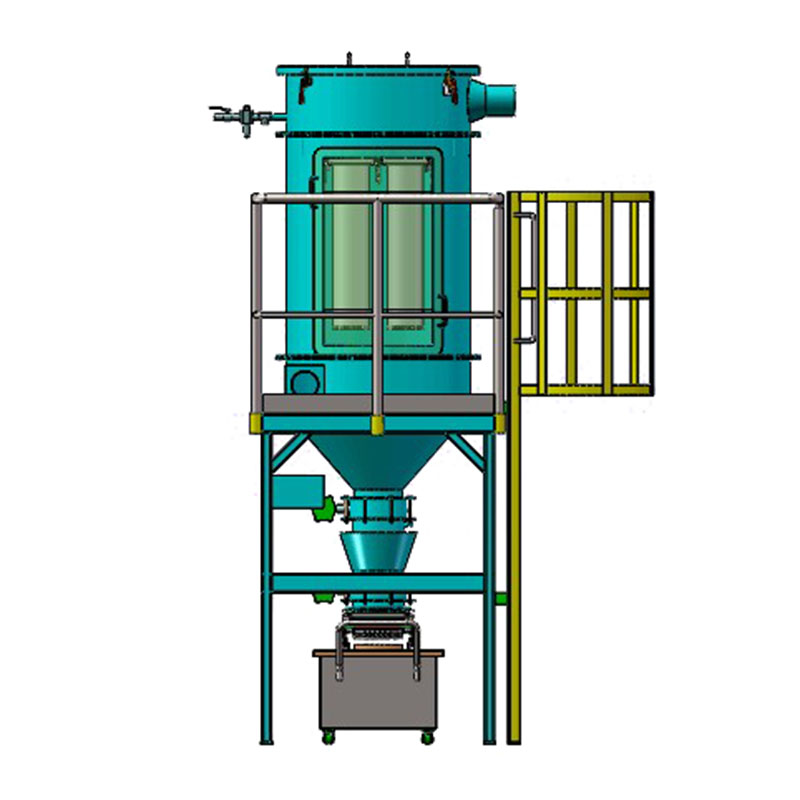
THV high vacuum dust collector is a centralized cleaning solution designed specifically for industrial applications. The THV Series High Vacuum System is a centralized cleaning solution that uses a network of pipes and dust collection accessories to directly capture dust, particles, and other pollutants from factories, workshops, or buildings, transporting them to a centralized dust collection unit for treatment and filtration.
Based on the vacuum principle, the system uses powerful negative pressure (≥35,000 Pa) to draw contaminants into the centralized unit, achieving comprehensive and efficient cleaning operations.
Changzhou Thinks Environmental Technology Co., Ltd.
Changzhou Thinks Environmental Technology Co., Ltd. is a system supplier specializing in industrial air pollution control. We are China Wholesale High-Vacuum Dust Collection System Suppliers and OEM/ODM High-Vacuum Filter Company. Relying on independently developed high-quality products, we provide customers with world-class product technology and solutions. Thinks has global service capabilities and its products are exported to North America, Europe, Africa, Southeast Asia and other regions. Its main service areas include casting, non-ferrous metals, chemical industry, steel, packaging, printing, pharmaceuticals,new energy and other industries.
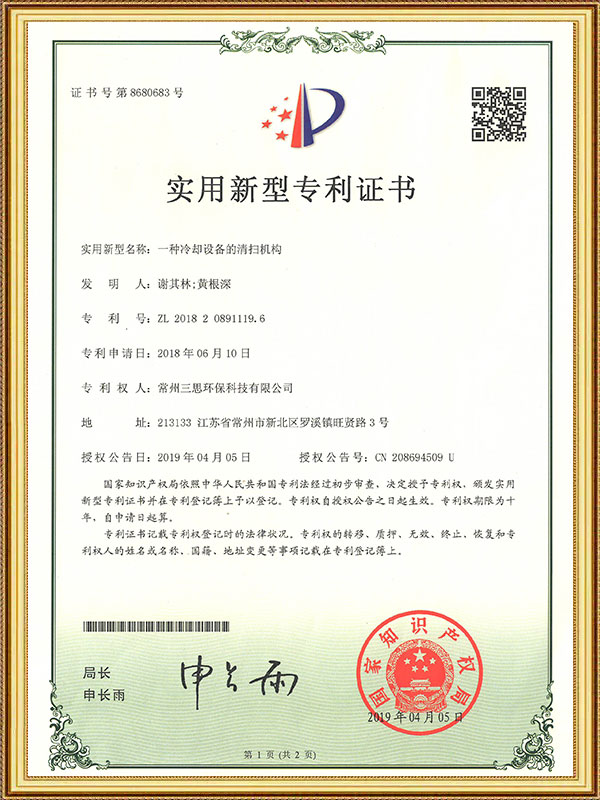
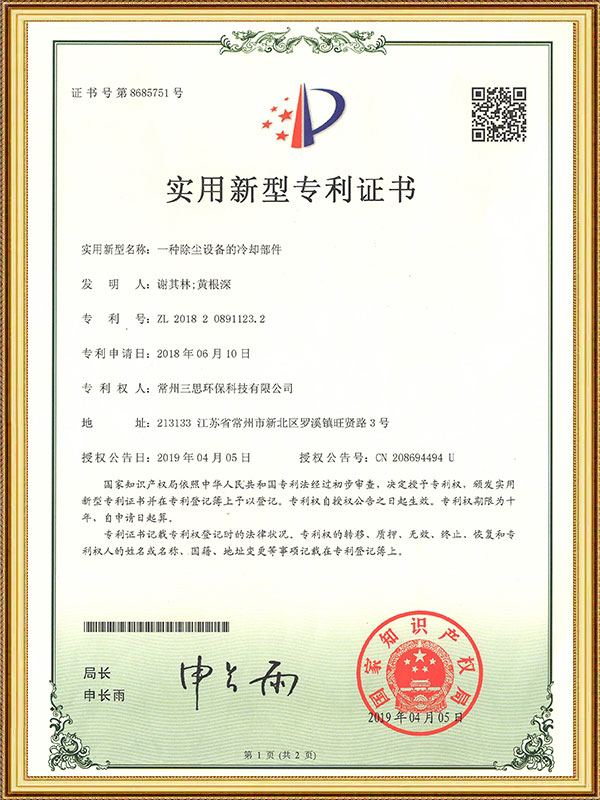
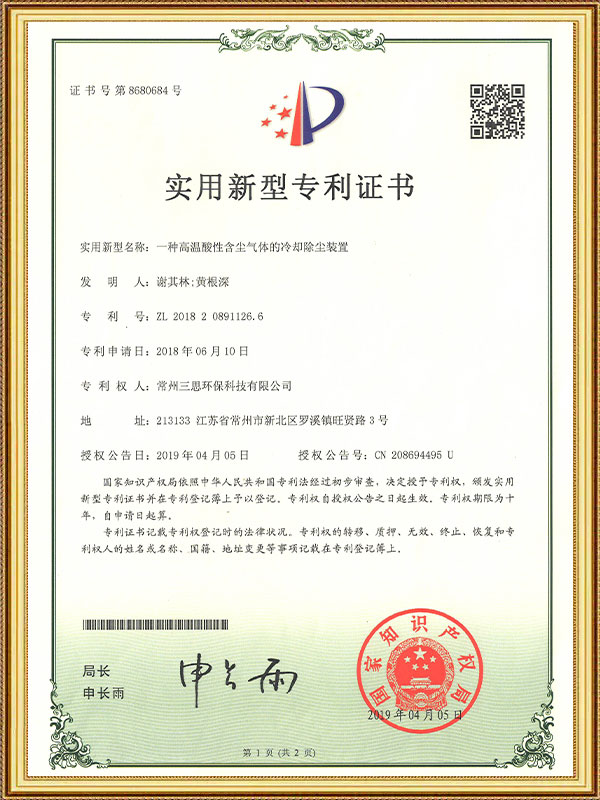
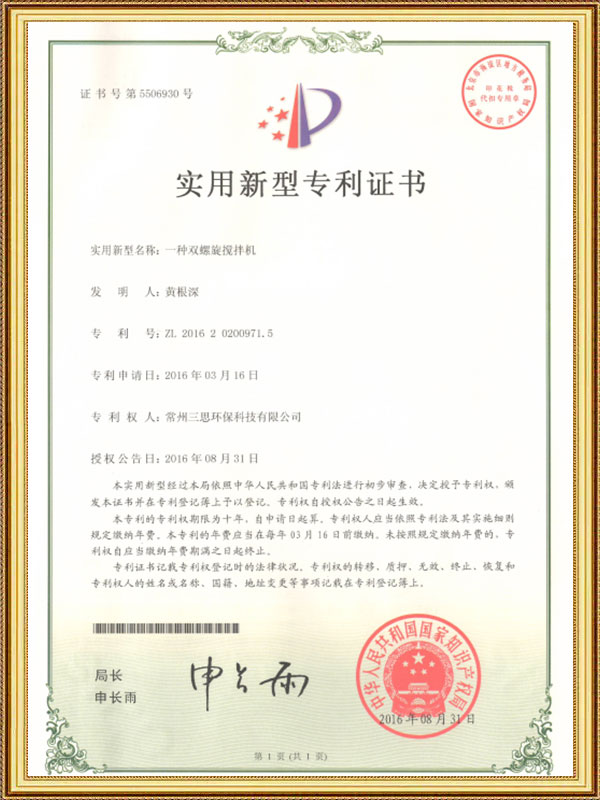
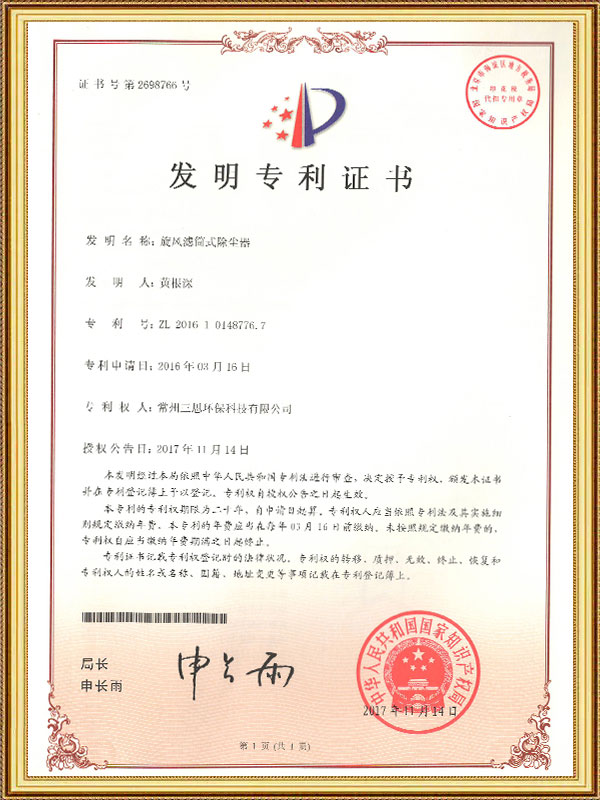
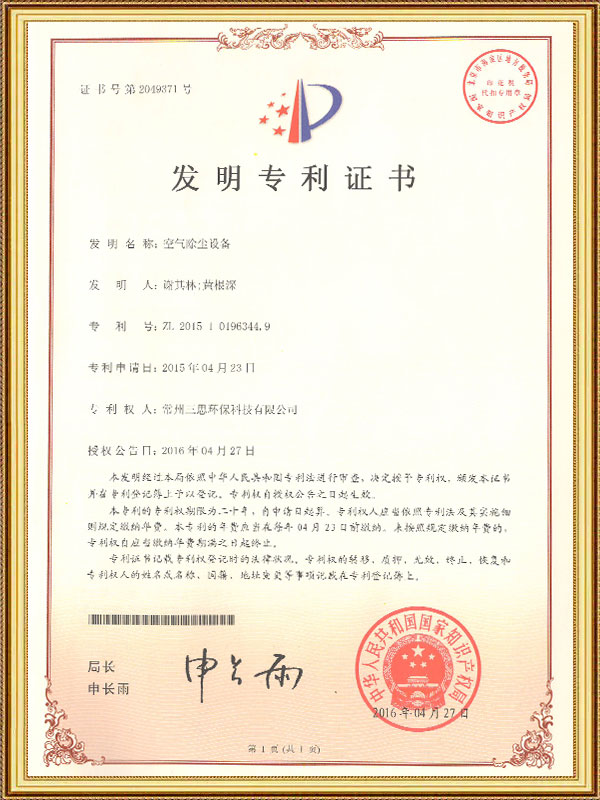
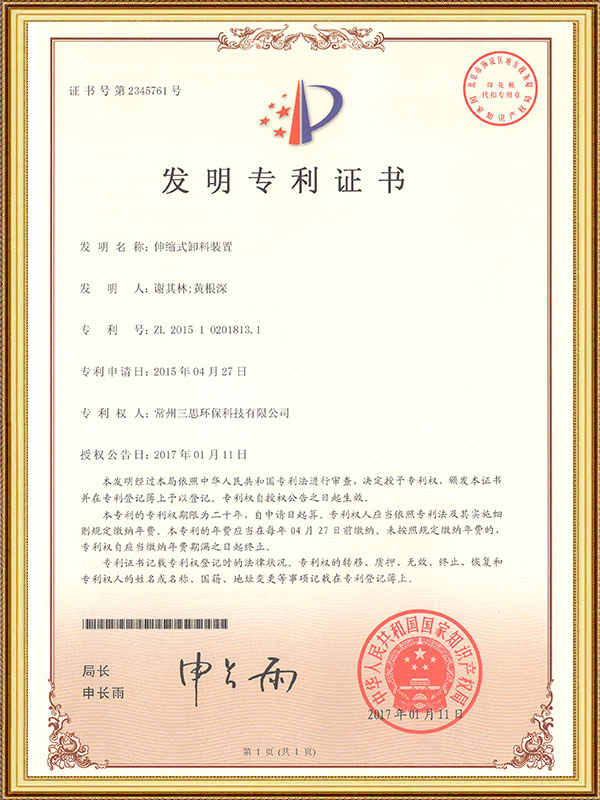
Honorary Certification
Certificates
Latest Updates
What'S News
-
Bag Filter Selection Guide: Media Grade, Air-to-Cloth Ratio and Bag LifeA foundry that replaces its filter bags every eight months is almost never fighting the bags. It is fighting an air-to-cloth ratio set too high during sizing, or a media grade ch...
-
Air Pollution Control Equipment: How to Size, Select and Verify Industrial SystemsTwo cartridge collectors rated at the same 20,000 m3/h sit side by side in a die-casting plant. One holds stack emissions below 10 mg/m3 for three years. The other drifts past 25...
-
Pulse Jet Baghouse: Efficiency, Filter Media, and Maintenance Tips for Longer Bag LifeWhen a gray iron foundry replaced its aging shaker-type collector with a pulse jet baghouse, stack emissions dropped from 38 mg/Nm³ to 6 mg/Nm³ in the first week of operation. Th...
-
Oil Mist Recovery System Guide: Selection, Performance, and MaintenanceInside a machining hall with twenty CNC lathes running at 6,000 rpm, the air can hold 5 to 10 mg/m3 of oil aerosol on a busy shift, several times the 0.5 mg/m3 reference value th...
-
Explosion Proof Wet Dust Collector Guide: Safety, Selection & ComplianceA grinding cell finishing aluminum housings produces a fine metallic dust that settles on every beam, cable tray and filter pocket in the room. One stray spark inside a dry dust ...
High Vacuum Dust Collector Industry knowledge
Why Negative Pressure Matters More Than Suction Power in Industrial Dust Collection
Most procurement engineers focus on airflow volume when evaluating dust collectors — but in centralized vacuum systems, static negative pressure is often the more critical parameter. Airflow tells you how much air moves; negative pressure tells you how far and how reliably contaminants can be transported through a piping network before the system loses its grip.
A High-Vacuum Dust Collection System operating at ≥35,000 Pa of negative pressure can overcome the combined resistance of long pipe runs, multiple bends, and simultaneous inlet activations — conditions that typically defeat conventional low-pressure collectors. In practice, facilities with distributed workstations across a large floor area need this level of vacuum to ensure consistent capture at every pickup point, not just the ones closest to the central unit.
The relationship between negative pressure and transport velocity is also worth understanding. To keep particles suspended and moving through horizontal ductwork, minimum conveying velocities must be maintained — typically above 18–20 m/s for fine metallic dust and above 23 m/s for heavier abrasive particles. If pressure drops below the threshold needed to sustain these velocities, particulates settle in the pipes, causing blockages and degraded system performance over time.
Filter Selection for High-Vacuum Systems: What Changes at Elevated Pressure Differentials
Standard filter cartridges are designed around moderate-pressure applications. When a High-Vacuum Filter is subjected to sustained high negative pressure, the mechanical stress on the filter media changes significantly — and so do the selection criteria.
Key factors to evaluate when specifying filters for high-vacuum centralized systems:
- Burst pressure rating — the filter media and end caps must withstand the maximum negative pressure the system can generate, with an appropriate safety margin.
- Filtration efficiency class — for fine dust applications (casting fume, pharmaceutical powder, battery electrode material), H13 or H14 HEPA-grade filters are often required to meet emission limits below 0.1 mg/m³.
- Pulse-cleaning compatibility — at high vacuum, filter cake builds faster, so the cleaning system (compressed air pulse or mechanical shaker) must be sized to restore filter permeability before pressure drop causes flow degradation.
- Media type vs. dust chemistry — PTFE-laminated media resists moisture and chemical attack; polyester felt suits dry abrasive dusts; nano-fiber surface filtration reduces depth loading and extends service intervals.
At Changzhou Thinks Environmental Technology, filter specifications are matched to the actual dust loading, particle size distribution, and operating cycle of each facility — not selected from a generic catalog.
Centralized vs. Decentralized Dust Collection: A Practical Decision Framework
The choice between a centralized vacuum network and individual point-of-use collectors is not simply a matter of scale — it involves tradeoffs across maintenance complexity, capital cost, operational flexibility, and dust hazard classification.
| Factor | Centralized High-Vacuum System | Decentralized Unit Collectors |
|---|---|---|
| Maintenance points | Single central unit | Multiple units across floor |
| Dust disposal | Centralized, contained | Distributed, higher exposure risk |
| Flexibility for layout changes | Requires pipe network replanning | Units can be relocated easily |
| Noise in work area | Low (motor in utility room) | Higher (motor at workstation) |
| Suitable for ATEX/explosive dust | Yes, with proper design | Requires per-unit explosion protection |
For facilities in casting, non-ferrous metal processing, or new energy manufacturing — where dust is generated at multiple workstations simultaneously and hazardous material containment is a regulatory requirement — centralized systems consistently offer a stronger total cost of ownership argument beyond the 5-year horizon.
Pipe Network Design Principles That Determine System Efficiency
A centralized vacuum system is only as effective as the pipe network connecting it to the source. Poor duct design is one of the most common causes of underperforming installations — even when the central unit is correctly specified.
Critical design principles include:
- Balanced branch resistance — each branch circuit should be designed to offer equal pressure drop so vacuum is distributed evenly across all pickup points, not concentrated near the central unit.
- Avoid sharp 90° elbows — long-radius bends (≥1.5D radius) significantly reduce turbulence and particulate dropout compared to standard elbows, especially when handling abrasive or fibrous materials.
- Slope toward the collector — horizontal runs should be pitched at least 1:100 toward the central unit to prevent settled dust accumulation in low-velocity zones.
- Cleanout access points — inspection ports at every major junction allow maintenance teams to verify flow and clear blockages without dismantling sections of pipe.
Thinks applies computational flow modeling during system design to validate that pressure distribution across the network meets operating targets before installation begins — reducing commissioning issues and rework on complex multi-zone layouts.
 From concept to production, we can
create the products you want.
From concept to production, we can
create the products you want.

PRODUCTION LINE
Flat Bag Dust Collector Cartridge Dust Collector Oil Mist Processor Explosion-Proof Wet Dust Collector High Vacuum Dust Collector Auxiliary EquipmentCONTACT INFO
WhatsApp:+86 15295158465 E-mail:[email protected] Add: No. 3 Wangxian Road, Airport Industrial Park, Xinbei District, Changzhou City
Copyright © Changzhou Thinks Environmental Technology Co., Ltd. All Rights
Reserved.
Wholesale High-Vacuum Dust Collection System Suppliers
