


 English
  عربى
عربى  Español
  中文简体
中文简体
 Dust Collection Auxiliary Equipment Suppliers
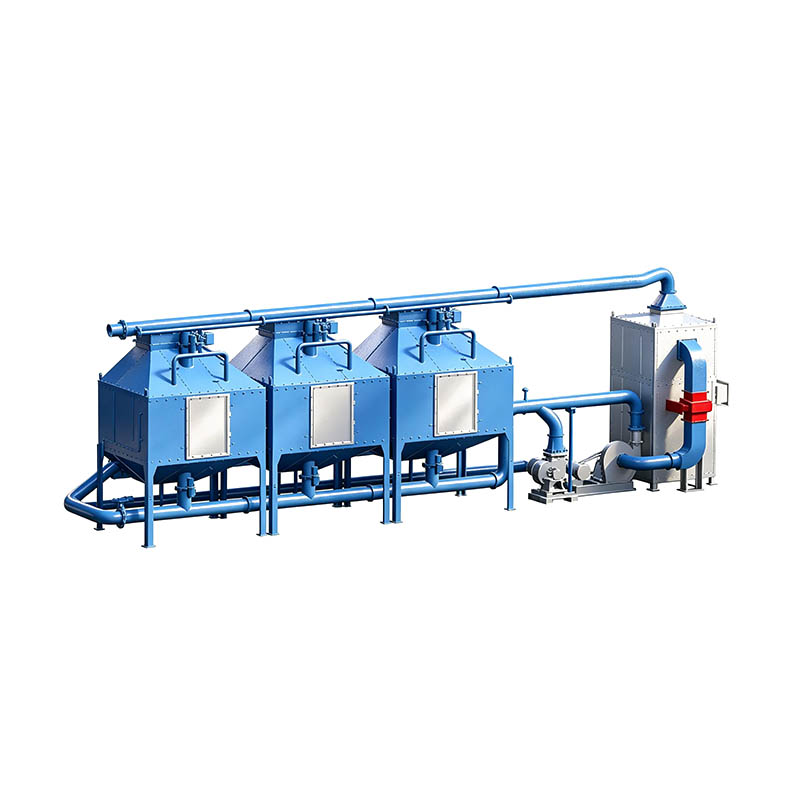
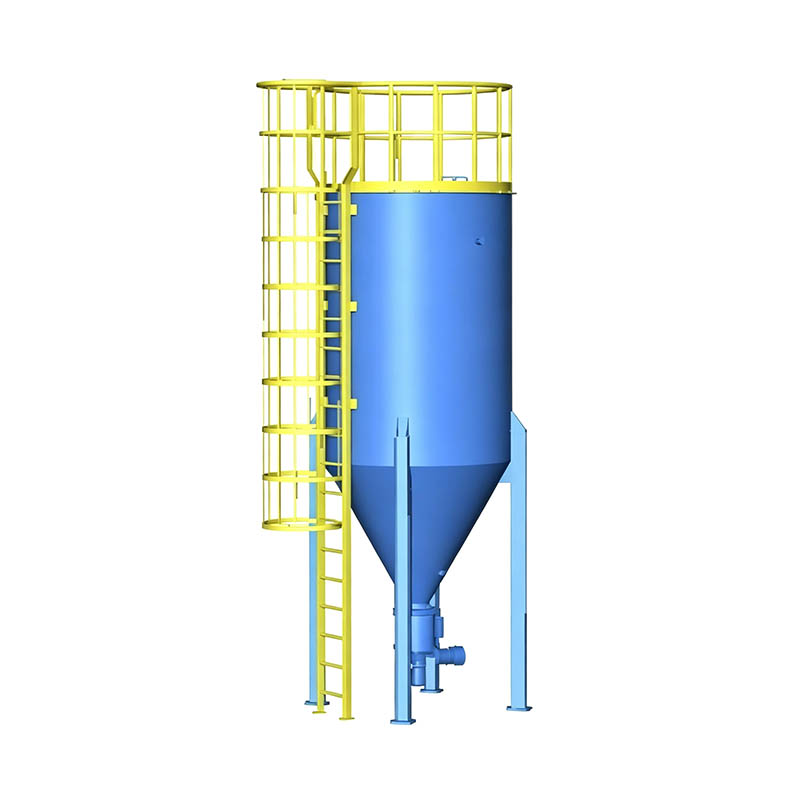
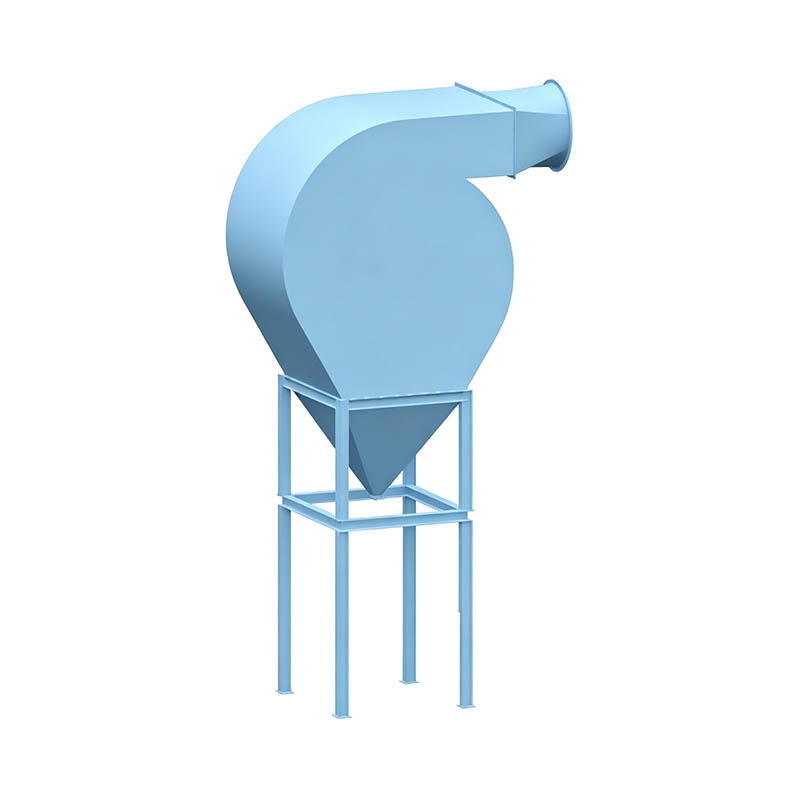
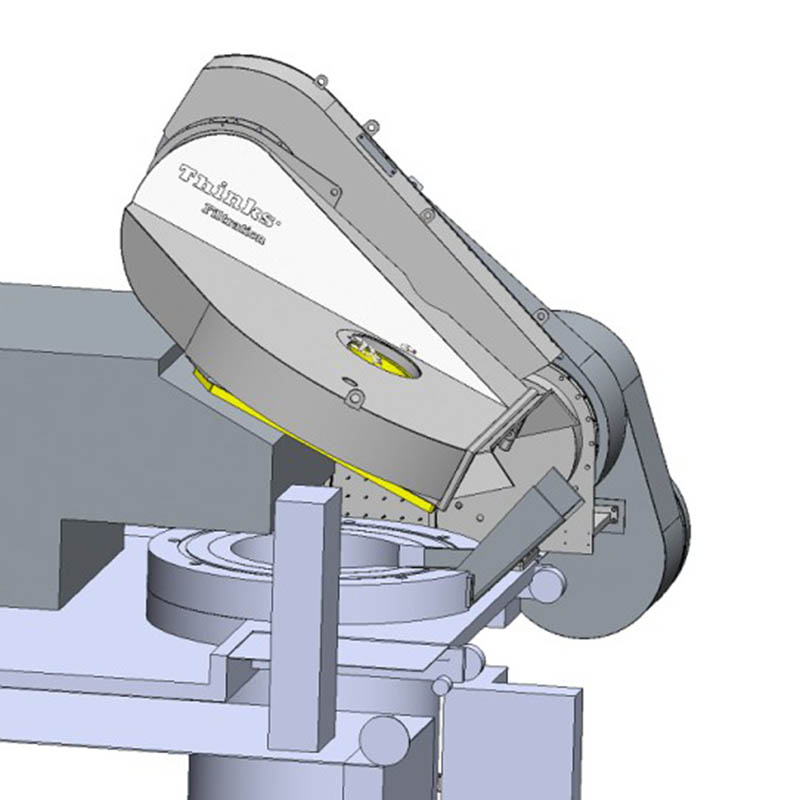
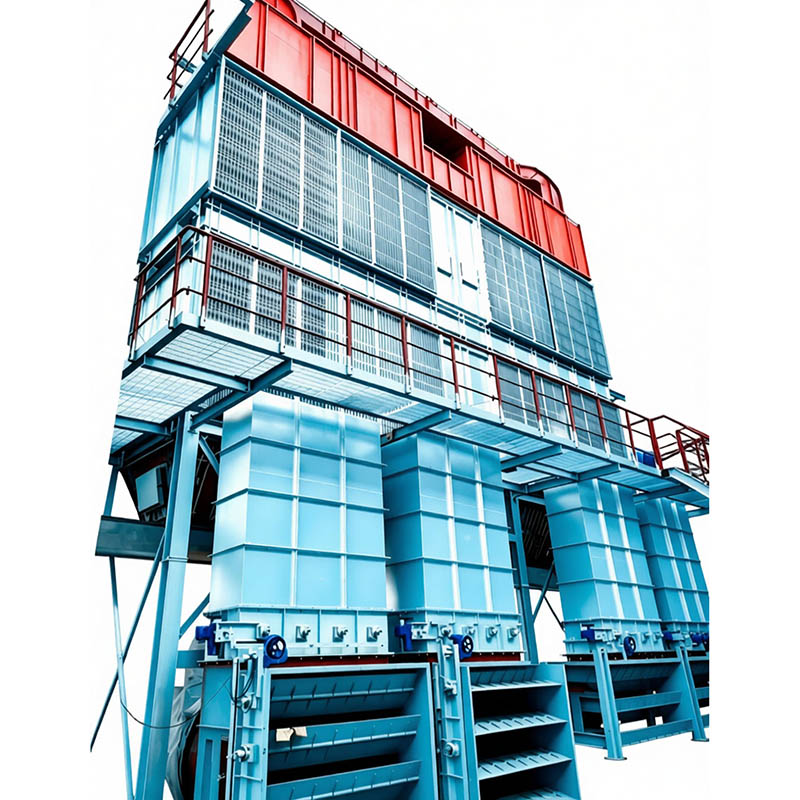
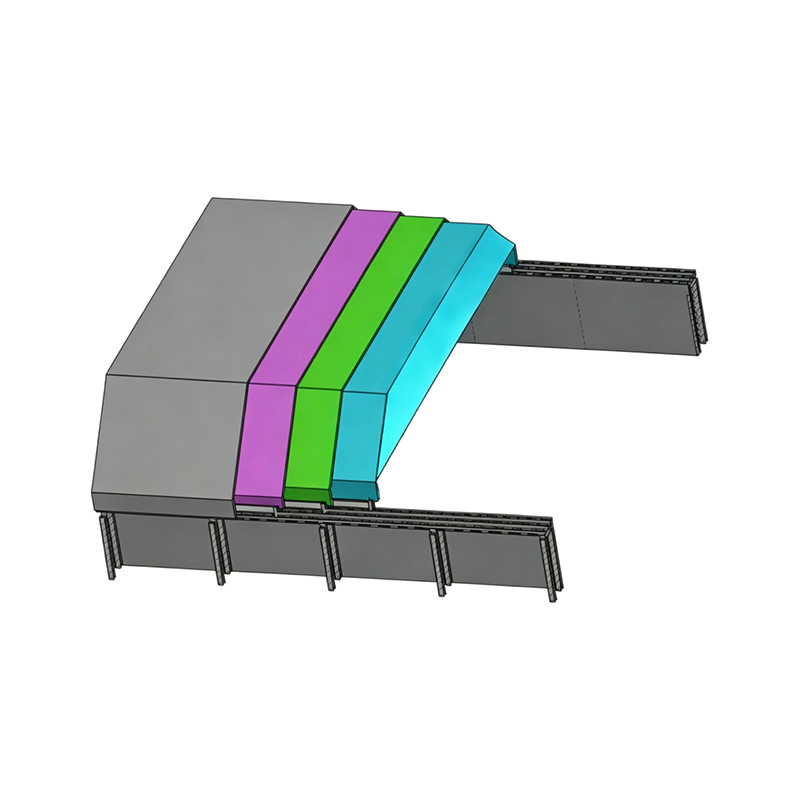
Thinks design different auxiliary equipment for different application, which is comprehensive, covering core components such as furnace hoods, spark arrestor, air coolers, rotor mixers, humidification and circulation equipment, and customized suction hoods, Each of the auxiliary equipment is series designed. used as a auxiliary of dust collector system, to improve the function and reliablity of dust collector system .those equipments are Compatible with various dust collector models, it offers convenient installation, low maintenance costs, and significantly improves the overall stability and adaptability of the dust collection system.
Changzhou Thinks Environmental Technology Co., Ltd.
Changzhou Thinks Environmental Technology Co., Ltd. is a system supplier specializing in industrial air pollution control. We are China Wholesale Dust Collection Auxiliary Equipment Suppliers and OEM/ODM Dust Collection Auxiliary Equipment Company. Relying on independently developed high-quality products, we provide customers with world-class product technology and solutions. Thinks has global service capabilities and its products are exported to North America, Europe, Africa, Southeast Asia and other regions. Its main service areas include casting, non-ferrous metals, chemical industry, steel, packaging, printing, pharmaceuticals,new energy and other industries.
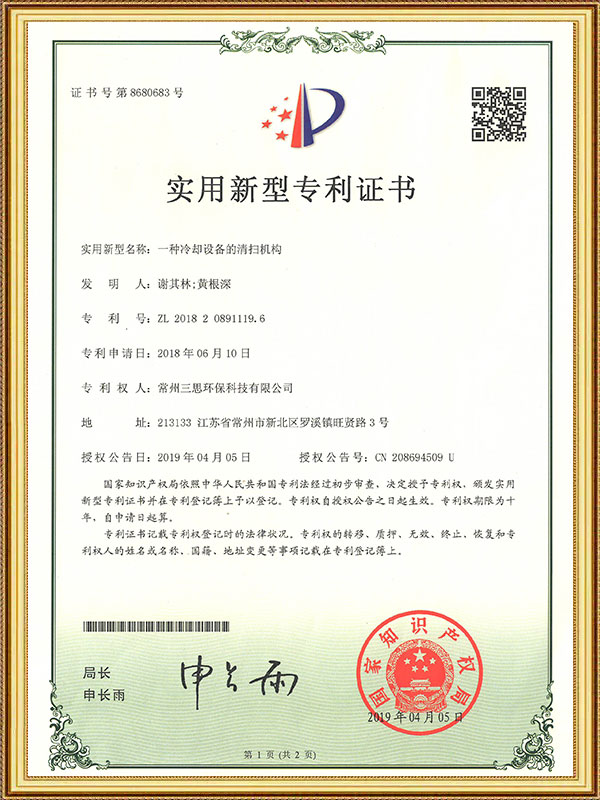
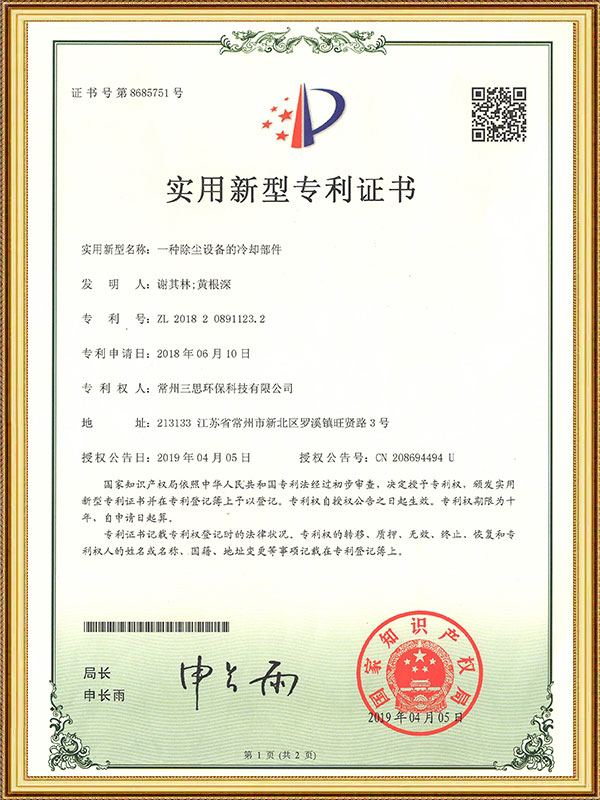
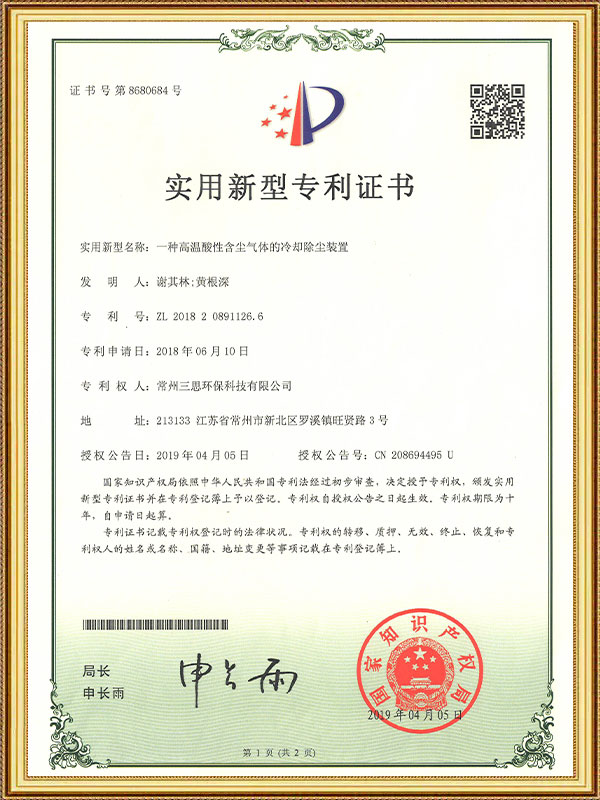
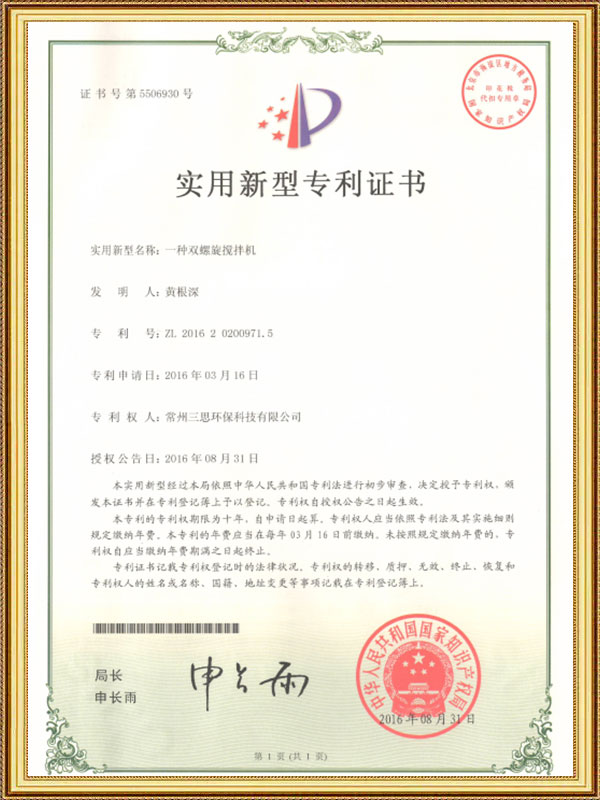
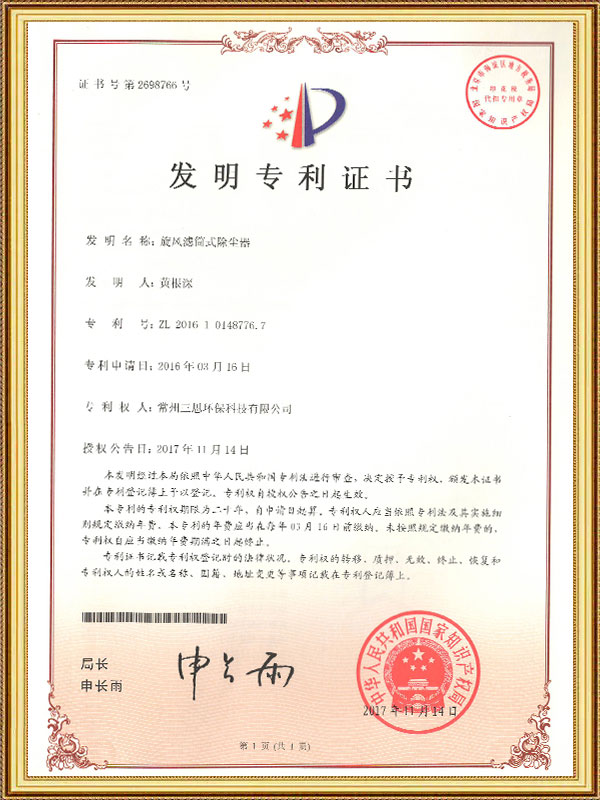
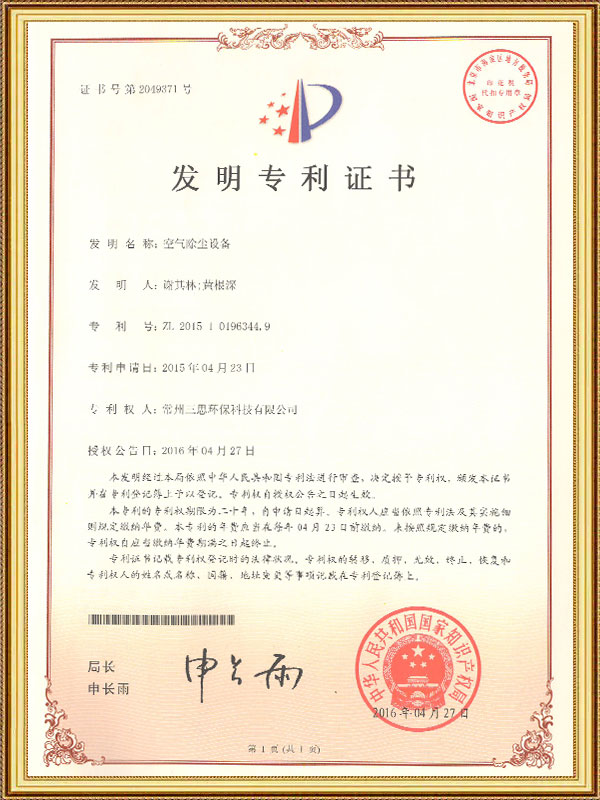
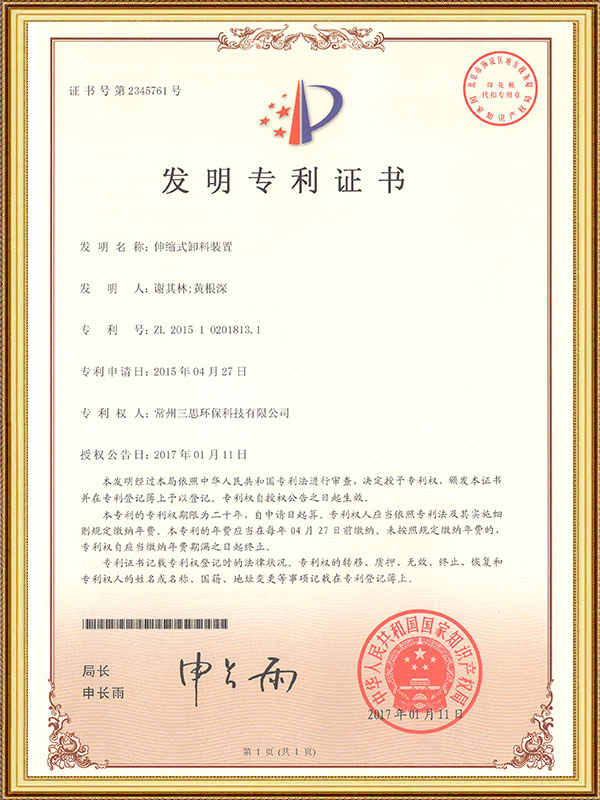
Honorary Certification
Certificates
Latest Updates
What'S News
-
Bag Filter Selection Guide: Media Grade, Air-to-Cloth Ratio and Bag LifeA foundry that replaces its filter bags every eight months is almost never fighting the bags. It is fighting an air-to-cloth ratio set too high during sizing, or a media grade ch...
-
Air Pollution Control Equipment: How to Size, Select and Verify Industrial SystemsTwo cartridge collectors rated at the same 20,000 m3/h sit side by side in a die-casting plant. One holds stack emissions below 10 mg/m3 for three years. The other drifts past 25...
-
Pulse Jet Baghouse: Efficiency, Filter Media, and Maintenance Tips for Longer Bag LifeWhen a gray iron foundry replaced its aging shaker-type collector with a pulse jet baghouse, stack emissions dropped from 38 mg/Nm³ to 6 mg/Nm³ in the first week of operation. Th...
-
Oil Mist Recovery System Guide: Selection, Performance, and MaintenanceInside a machining hall with twenty CNC lathes running at 6,000 rpm, the air can hold 5 to 10 mg/m3 of oil aerosol on a busy shift, several times the 0.5 mg/m3 reference value th...
-
Explosion Proof Wet Dust Collector Guide: Safety, Selection & ComplianceA grinding cell finishing aluminum housings produces a fine metallic dust that settles on every beam, cable tray and filter pocket in the room. One stray spark inside a dry dust ...
Auxiliary Equipment Industry knowledge
The Role of Inlet Valves and Pipe Couplings in System Performance
In a centralized high-vacuum network, the performance at each workstation depends heavily on the quality and design of the connection points — not just the central vacuum unit itself. Inlet valves, quick-connect couplings, and flexible hose assemblies are the interface between the pipe network and the actual dust source, and their sealing integrity directly determines how much of the system's negative pressure is delivered at the point of capture.
A poorly sealing inlet valve can introduce false air into the network, reducing effective negative pressure across all active pickup points simultaneously — not just the leaking one. For systems operating at ≥35,000 Pa, even a small gap at a coupling joint can cause measurable pressure drop across the entire distribution network. This is why Dust Collection Auxiliary Equipment — including valves, fittings, and sealing components — should be specified to the same pressure class as the central unit, rather than treated as commodity hardware.
Key performance criteria for inlet and connection components:
- Leak-rate specification — seals and gaskets should be rated for the system's maximum vacuum level with documented leak-rate testing data.
- One-hand operation — in production environments, connection and disconnection must be fast and repeatable without tools, while maintaining a positive seal when engaged.
- Material compatibility — components in contact with abrasive, corrosive, or high-temperature dust streams require appropriate material selection (stainless steel, hardened steel liners, or chemically resistant polymers).
Dust Discharge and Collection Containers: Managing the End of the Airstream
Captured contaminants must be separated from the airstream and contained before filtered air is returned to the facility or exhausted. The design of the dust discharge mechanism and collection container has a direct impact on filter life, disposal frequency, and secondary dust exposure risk during emptying.
Common discharge configurations used in centralized vacuum systems include:
- Rotary airlock valves — maintain a continuous vacuum seal while discharging dust into a hopper or container below, suitable for high-volume continuous operations.
- Double-flap dump valves — a simpler sequential seal mechanism for batch discharge; lower cost but requires a momentary interruption in the vacuum circuit during emptying.
- Bag-in/bag-out (BIBO) systems — critical for hazardous or pharmaceutical dust applications where zero operator exposure during container change is a regulatory requirement.
- Sealed drum or liner systems — allow the entire collected dust container to be removed and disposed of without opening, minimizing fugitive emissions.
Changzhou Thinks Environmental Technology selects discharge configurations based on the dust hazard classification, collection volume per shift, and local disposal regulations applicable to each customer's industry — ensuring the full system meets compliance requirements from capture point to final disposal.
Vacuum Hoses and Cleaning Tools: Matching Accessories to the Application
The cleaning tools and hose assemblies connected to a centralized vacuum network are not interchangeable across applications. Each industrial environment presents a different combination of particle size, surface geometry, temperature, and operator access requirements that must be matched to the appropriate accessory specification.
| Application Type | Recommended Hose Type | Preferred Cleaning Tool |
|---|---|---|
| Metal grinding / abrasive dust | Polyurethane spiral hose (abrasion-resistant) | Hard floor nozzle with metal wear plate |
| Electronic / PCB assembly | Anti-static conductive hose | ESD-safe brush nozzle |
| High-temperature process areas | Silicone or stainless steel flex hose | Metal crevice tool with heat-resistant seals |
| Pharmaceutical / fine powder | Smooth-bore FDA-compliant hose | Crevice and slot nozzle set (cleanroom grade) |
Hose diameter also affects system balance. Oversized hoses connected to smaller-diameter pipe networks create sudden velocity drops that allow particles to settle before reaching the collector. Undersized hoses increase local resistance and reduce capture effectiveness at the tool tip. Accessory diameter should be matched to the branch pipe sizing in the distribution network design.
Monitoring and Control Accessories: Keeping the System Visible
A centralized vacuum system operating across a large facility requires instrumentation to detect performance degradation before it becomes a production or compliance problem. Pressure gauges, differential pressure switches, flow indicators, and filter condition monitors are the sensing layer that converts an otherwise invisible process into measurable, actionable data.
Practical monitoring accessories for centralized dust collection systems include:
- Differential pressure gauges across the filter — provide a direct indication of filter loading; a rising ΔP signals that cleaning or replacement is needed before airflow restriction affects capture efficiency.
- Network pressure taps at branch junctions — allow maintenance teams to isolate which zone of the pipe network is underperforming during troubleshooting.
- Emission monitoring sensors at the clean air outlet — for facilities subject to environmental permits, continuous particulate monitors provide real-time evidence of filter integrity and regulatory compliance.
- Automated pulse-cleaning controllers — trigger filter regeneration based on differential pressure thresholds rather than fixed time intervals, extending filter service life while maintaining consistent airflow.
Integrating these monitoring components with the facility's existing building management system or PLC environment allows Dust Collection Auxiliary Equipment to participate in predictive maintenance programs — shifting from reactive servicing to condition-based intervention. Thinks provides control integration support as part of the system commissioning process, ensuring instrumentation outputs are correctly mapped to customer SCADA or ERP platforms.
 From concept to production, we can
create the products you want.
From concept to production, we can
create the products you want.

PRODUCTION LINE
Flat Bag Dust Collector Cartridge Dust Collector Oil Mist Processor Explosion-Proof Wet Dust Collector High Vacuum Dust Collector Auxiliary EquipmentCONTACT INFO
WhatsApp:+86 15295158465 E-mail:[email protected] Add: No. 3 Wangxian Road, Airport Industrial Park, Xinbei District, Changzhou City
Copyright © Changzhou Thinks Environmental Technology Co., Ltd. All Rights
Reserved.
Wholesale Dust Collection Auxiliary Equipment Suppliers
