English
  عربى
عربى  Español
  中文简体
中文简体

Content
- 1 What Is an Industrial Dust Collection System?
- 2 Core Components of an Industrial Dust Collection System
- 3 Why Industrial Dust Collection Systems Matter
- 4 Industrial Dust Collection System Applications
- 5 Future Trends of Industrial Dust Collection Systems
- 6 How to Choose the Right Industrial Dust Collection System
- 7 The Future Value of Industrial Dust Collection Systems
- 8 Conclusion
With the rapid development of global manufacturing, industrial production has continued to expand, while factories are facing increasingly serious dust pollution problems. Whether in metal processing, woodworking, cement production, food manufacturing, chemical processing, or pharmaceutical industries, large amounts of industrial dust are generated during production processes. If this dust is not effectively collected and controlled, it can reduce equipment efficiency, threaten employee health, and even cause explosions or fire hazards.
Under these circumstances, the Industrial Dust Collection System has become an essential part of modern industrial facilities. A high-efficiency industrial dust collection system not only improves air quality but also helps companies comply with environmental regulations, improve workplace safety, and reduce maintenance costs.
In recent years, more companies have focused on solutions such as industrial dust extraction systems, factory dust control solutions, and industrial air filtration system. Especially with the rapid growth of smart manufacturing and green factories, industrial dust collection has evolved from an environmental requirement into a critical component of long-term business competitiveness.
Many traditional factories once focused only on production efficiency while overlooking dust management. However, as environmental regulations become stricter and employee health awareness increases, industrial companies are re-evaluating workplace air quality management. Large manufacturing plants without an efficient dust collection system for manufacturing often experience airborne particle accumulation, which can lead to equipment failures, product contamination, and employee health issues.
At the same time, demand for workshop dust removal system solutions has increased rapidly among small and medium-sized workshops. In the past, many small factories considered industrial dust collection systems too expensive. However, advancements in technology have introduced more energy-efficient, intelligent, and cost-effective dust control solutions, making them accessible to a wider range of businesses.
This article provides a comprehensive overview of the Industrial Dust Collection System, including its working principles, major types, industrial applications, system advantages, and future development trends. It aims to help businesses better understand industrial dust control technologies and support future equipment selection and system optimization.
What Is an Industrial Dust Collection System?
An Industrial Dust Collection System is an air purification system specifically designed to collect, filter, and process dust generated during industrial production. Its main purpose is to remove contaminated air from production areas, separate dust particles through filtration equipment, and then release or recycle clean air back into the environment.
Industrial dust collection systems are widely used in manufacturing, woodworking, mining, cement, chemical processing, pharmaceuticals, and food production. Since different industrial environments generate different types of dust, these systems must be customized according to specific operating conditions.
Working Principle of an Industrial Dust Collection System
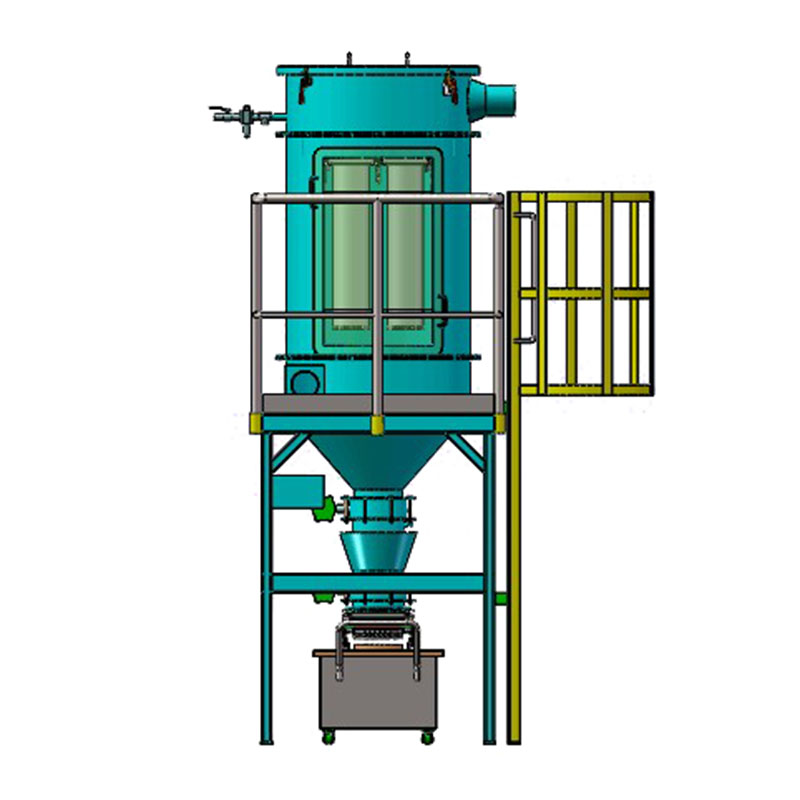
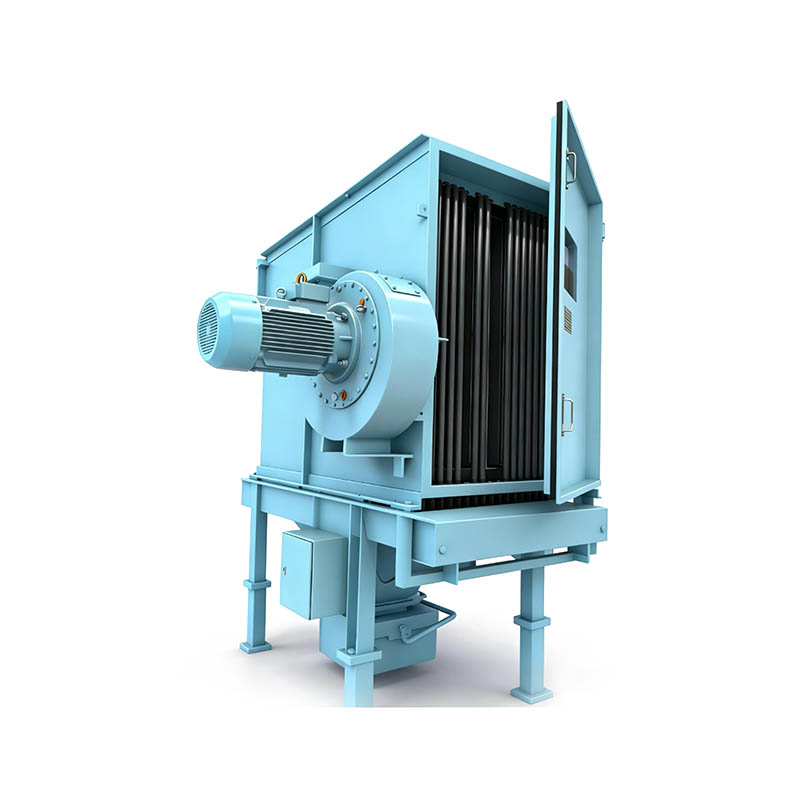
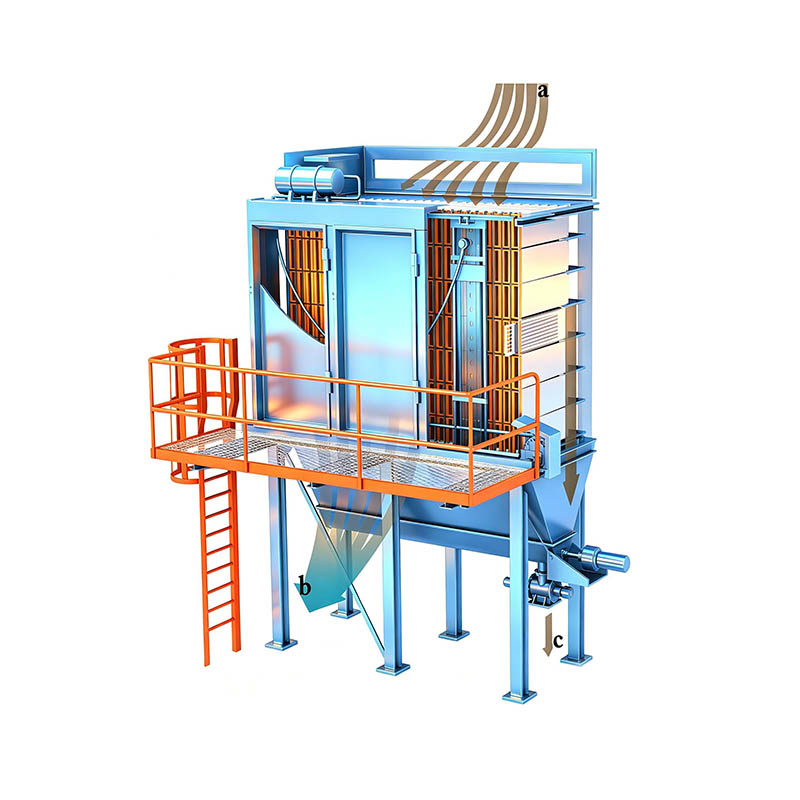
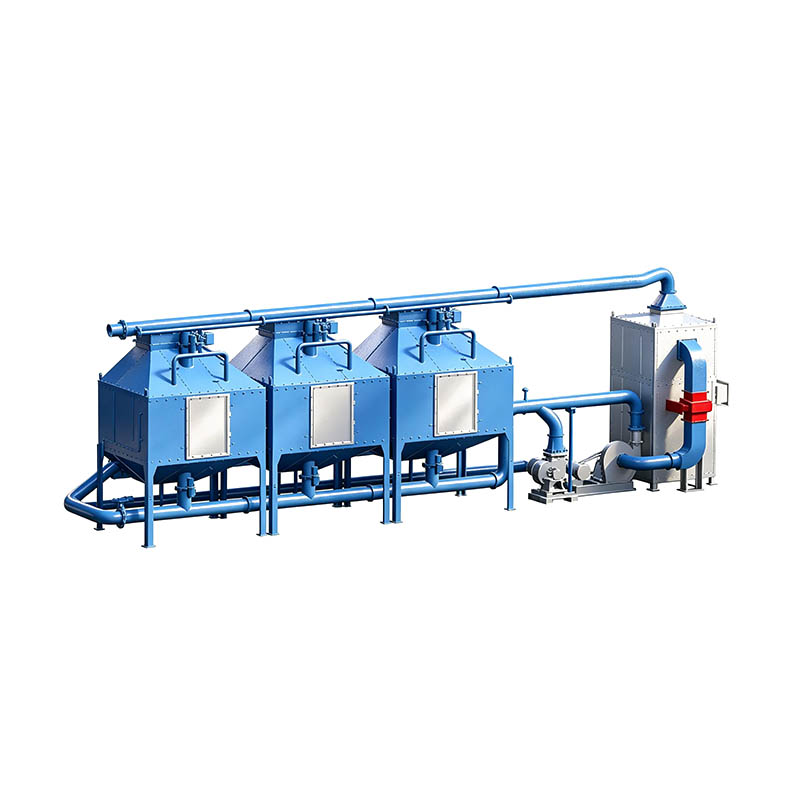
A complete industrial dust extraction system usually consists of dust hoods, duct systems, filtration equipment, fans, and dust collection containers.
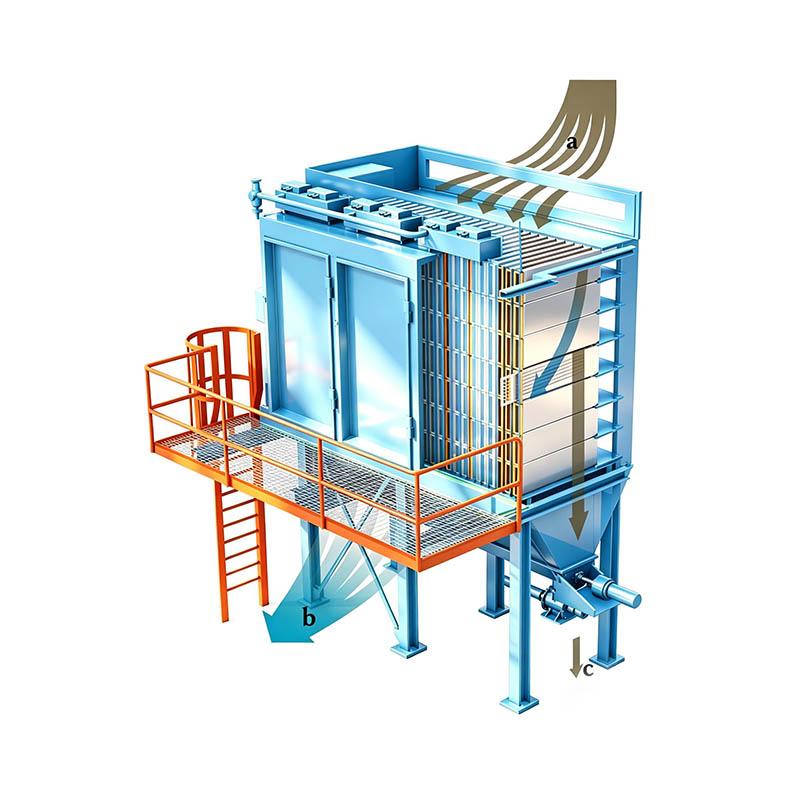
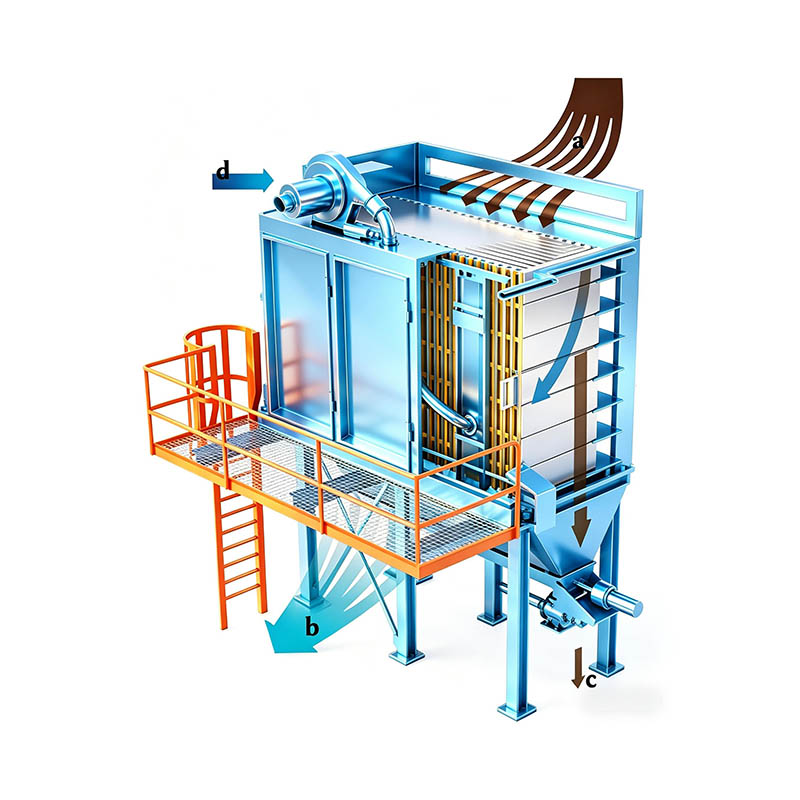
During industrial production, dust particles spread throughout the workshop environment. The dust collection system creates negative pressure through a fan, drawing contaminated air into the ductwork. The air then passes through filtration equipment where dust particles are captured, while purified air is discharged back into the environment.
The filter is the core component of the entire system, and its filtration efficiency directly affects air purification performance.
| System Component | Main Function |
| Dust Hood | Collects dust from production areas |
| Duct System | Transfers contaminated air |
| Filtration Equipment | Separates dust from air |
| Fan System | Provides airflow power |
| Dust Container | Stores collected dust |
Modern industrial air filtration system technologies now integrate automation, sensor monitoring, and intelligent cleaning systems to achieve continuous and efficient operation.
Main Types of Industrial Dust Collection Systems
Baghouse Dust Collection System
Baghouse collectors are among the most widely used industrial dust control devices. They use fabric filter bags to capture dust particles and provide excellent filtration efficiency for fine dust.
Main advantages include:
- High filtration efficiency
- Suitable for high airflow applications
- Effective for fine particle collection
- Relatively low maintenance cost
As a result, baghouse systems are widely used in factory dust control solutions for cement, steel, and power generation industries.
Cartridge Dust Collection System
Cartridge collectors use pleated filter cartridges that provide a larger filtration surface area compared to traditional filter bags.
Main features include:
- Compact installation space
- High filtration precision
- Suitable for fine dust
- High automation capability
Many modern dust collection system for manufacturing applications prefer cartridge systems because they are highly compatible with automated production lines.
Cyclone Dust Collection System
Cyclone collectors separate dust particles through centrifugal force.
Main advantages include:
- Simple structure
- Low cost
- Suitable for large particles
- Excellent high-temperature resistance
However, cyclone collectors are less effective for ultrafine particles and are often combined with other industrial dust extraction system technologies.
Wet Dust Collection System
Wet dust collectors use liquids to absorb dust and are highly effective for high-temperature, high-humidity, or combustible dust environments.
These systems are commonly used in:
- Chemical industries
- Metallurgical industries
- Combustible dust environments
- High-temperature production processes
Although wet systems effectively reduce explosion risks, wastewater treatment requirements are higher, so companies must consider environmental costs carefully.
Core Components of an Industrial Dust Collection System
Many businesses focus only on filter performance when purchasing industrial dust collection equipment. However, a highly efficient Industrial Dust Collection System requires proper coordination among all core components.
Fan System
The fan is the power source of the entire dust collection system. It determines airflow, negative pressure capability, and overall collection efficiency.
If airflow is insufficient, dust cannot be removed effectively. If airflow is excessive, energy consumption increases significantly.
Modern industrial air filtration system designs often use variable frequency fans to optimize energy efficiency through intelligent control.
Duct System
Duct design directly affects dust collection efficiency.
Poor duct layouts may cause:
- Increased airflow resistance
- Dust accumulation
- Pipe blockage
- Higher energy consumption
Professional factory dust control solutions are usually customized according to factory layouts.
Filtration System
The filtration system is the heart of the Industrial Dust Collection System.
| Filter Material | Application |
| Polyester Fiber | General industrial dust |
| PTFE Membrane | High-precision filtration |
| Antistatic Filter Material | Combustible dust environments |
| High-Temperature Resistant Material | High-temperature industrial applications |
Higher filtration efficiency leads to better air quality improvement. Many advanced industrial dust extraction system technologies can now achieve PM2.5-level filtration performance.
Cleaning System
As dust accumulates on filters, airflow resistance increases. Modern industrial dust collection system technologies therefore include automatic cleaning systems.
Common cleaning methods include:
- Pulse jet cleaning
- Mechanical shaking
- Reverse air cleaning
Pulse jet technology is currently the most widely used due to its high automation efficiency.
Dust Storage Unit
The dust storage container collects filtered particles for disposal or recycling.
Large-scale dust collection system for manufacturing applications often integrate automatic transportation systems for centralized dust recycling.
Why Industrial Dust Collection Systems Matter
Industrial dust collection systems have evolved from optional equipment into essential industrial infrastructure.
Improving Industrial Air Quality
Air quality improvement is one of the most important values of an industrial air filtration system.
In enclosed factory environments, excessive airborne particles can cause severe occupational diseases.
Common health risks include:
- Pneumoconiosis
- Respiratory inflammation
- Allergic reactions
- Chronic lung diseases
An efficient workshop dust removal system significantly improves workplace conditions and employee satisfaction.
Increasing Production Efficiency
Industrial dust can severely affect production equipment.
Dust accumulation may cause:
- Motor overheating
- Bearing wear
- Higher equipment failure rates
- Reduced automation precision
Modern dust collection system for manufacturing technologies help maintain stable production quality.
| Area | Without Dust Collection | With Industrial Dust Collection |
| Equipment Failure Rate | High | Low |
| Downtime | Long | Short |
| Product Quality Stability | Unstable | Stable |
| Worker Productivity | Lower | Higher |
| Maintenance Cost | High | Reduced |
Reducing Safety Risks
Many industrial dust particles are combustible.
Examples include:
- Wood dust
- Aluminum powder
- Flour dust
- Chemical powders
Modern factory dust control solutions therefore integrate explosion protection technologies such as:
- Explosion vents
- Explosion isolation valves
- Antistatic systems
- Spark detection systems
Meeting Environmental Regulations
Governments worldwide are enforcing stricter industrial emission standards.
Companies that fail to comply may face:
- Heavy fines
- Production shutdowns
- Environmental penalties
- Damage to corporate reputation
As a result, the Industrial Dust Collection System has become a critical part of compliant industrial operations.
Industrial Dust Collection System Applications
Manufacturing Industry
The manufacturing industry is one of the largest users of industrial dust extraction system technologies.
Dust sources include:
- Metal cutting
- Welding fumes
- Grinding and polishing
- CNC machining
- Laser cutting
Large manufacturing facilities increasingly adopt centralized dust collection system for manufacturing solutions for entire workshops.
Woodworking Industry
The woodworking sector has experienced rapid growth in demand for workshop dust removal system technologies.
Woodworking processes generate large amounts of combustible wood dust and chips.
Modern systems often integrate:
- High-airflow extraction
- Antistatic designs
- Spark detection systems
- Automatic cleaning functions
Food and Pharmaceutical Industry
Food and pharmaceutical industries require extremely high air cleanliness standards.
In these industries, the Industrial Dust Collection System is essential for preventing contamination.
Modern factory dust control solutions in these sectors often include:
- Stainless steel construction
- Sanitary designs
- HEPA filtration
- Automatic cleaning systems
Future Trends of Industrial Dust Collection Systems
Intelligent Control Systems
Modern Industrial Dust Collection System technologies increasingly integrate intelligent monitoring capabilities.
Sensors can monitor:
- Airflow changes
- Pressure differentials
- Filter conditions
- Dust concentration
- Equipment operating status
Factory managers can monitor the entire factory dust control solutions network through centralized platforms.
Energy-Efficient Design
Industrial dust collection systems often operate continuously, making energy efficiency extremely important.
Modern systems increasingly use:
- High-efficiency fans
- Variable frequency control
- Low-resistance filters
- Intelligent airflow adjustment
Advanced Industrial Dust Collection System technologies can reduce energy consumption by 20% to 40% compared to traditional systems.
Advanced Filtration Materials
New filtration materials are rapidly improving industrial filtration performance.
Examples include:
- Nanofiber filtration materials
- PTFE membrane filters
- Ultra-low resistance filters
- Oil and water resistant filters
- High-temperature composite materials
These materials significantly improve industrial air filtration system efficiency.
Automation and Remote Management
Industrial Internet technologies are transforming modern industrial dust extraction system management.
Companies can now remotely monitor:
- System efficiency
- Fan energy consumption
- Filter lifespan
- Dust concentration levels
- Fault alarm information
Predictive maintenance technologies help prevent unexpected equipment failures.
Environmental Sustainability
Modern manufacturing increasingly emphasizes environmental sustainability.
Many industrial dust particles have recyclable value.
| Dust Type | Recycling Application |
| Metal Dust | Metal recycling |
| Wood Dust | Biomass fuel |
| Cement Dust | Construction material reuse |
| Food Powder | Raw material recovery |
As a result, modern industrial air filtration system technologies are increasingly integrated into corporate ESG strategies.
How to Choose the Right Industrial Dust Collection System
Selecting an industrial dust collection system involves more than simply purchasing equipment. Businesses must evaluate production processes, safety requirements, environmental regulations, and long-term operating costs.
Selecting Based on Dust Type
Dry Dust
Dry dust such as cement dust, wood dust, and metal grinding particles are commonly handled by baghouse or cartridge systems.
Wet Dust
Wet or sticky dust environments require specialized wet-type industrial air filtration system technologies.
Combustible Dust
Combustible dust environments require explosion-proof factory dust control solutions with:
- Antistatic filters
- Explosion vents
- Spark detection systems
- Explosion isolation valves
Selecting Based on Factory Size
Small Workshops
Small workshop dust removal system applications usually use standalone units that are easy to install and maintain.
Medium-Sized Factories
Medium-sized factories often require centralized industrial dust extraction system solutions for multiple production points.
Large Manufacturing Plants
Large industrial facilities usually require centralized dust collection networks.
| Feature | Description |
| Wide Coverage | Supports multiple workshops |
| High Automation | Supports centralized intelligent control |
| Stable Operation | Suitable for continuous production |
| Lower Long-Term Cost | Ideal for large-scale manufacturing |
Important Performance Parameters
Airflow Capacity
Airflow determines the dust collection capability of the system.
Filtration Efficiency
High-performance industrial air filtration system technologies often exceed 99% filtration efficiency.
Energy Consumption
Energy-efficient factory dust control solutions help reduce long-term operating costs.
Noise Control
Modern systems increasingly use low-noise fans and sound insulation technologies.
Maintenance Requirements
Companies should evaluate:
- Filter replacement frequency
- Cleaning system reliability
- Equipment failure rates
- Availability of spare parts
The Future Value of Industrial Dust Collection Systems
Future industrial development will place even greater emphasis on green manufacturing and intelligent production.
New Energy Industry
Industries such as lithium battery manufacturing, solar energy, and advanced materials require ultra-clean production environments supported by high-performance industrial air filtration system technologies.
Automated Factories
Smart factories increasingly rely on automated equipment that requires cleaner operating environments. Therefore, the Industrial Dust Collection System will become an essential component of smart manufacturing infrastructure.
Green Manufacturing
Global carbon neutrality goals are accelerating industrial environmental upgrades.
Efficient factory dust control solutions help companies reduce emissions while strengthening international competitiveness.
Conclusion
The Industrial Dust Collection System has become an indispensable part of modern industrial production.
From improving air quality and increasing production efficiency to enhancing workplace safety and environmental compliance, industrial dust collection technologies play a critical role in modern manufacturing.
As industrial dust extraction system technologies continue to evolve, future systems will become more intelligent, energy-efficient, and environmentally sustainable.
For businesses, choosing the right industrial air filtration system not only reduces operational risks but also improves long-term competitiveness.
Whether for large manufacturing facilities or small workshop dust removal system applications, companies should establish stable and efficient dust control systems according to their specific operational needs.
Only by prioritizing industrial air quality management can businesses achieve sustainable growth in the future era of green manufacturing.