English
  عربى
عربى  Español
  中文简体
中文简体

Content
- 1 What Is an Oil Mist Collector
- 2 How an Oil Mist Collector Works
- 3 Why CNC Machines Need an Oil Mist Collector
- 4 Types of Oil Mist Filtration Systems
- 5 How to Choose the Right Oil Mist Collector
- 6 Industries Using Oil Mist Collectors
- 7 Maintenance and Care
- 8 Future Trends of Oil Mist Extraction Systems
- 9 Conclusion
With the continuous advancement of modern manufacturing toward high-speed, high-precision, and automated production, air quality in industrial environments has become an increasingly important concern. In metal processing, CNC machining, automotive manufacturing, mold production, and precision engineering, large amounts of coolant, lubricating oil, and cutting fluids can generate fine oil mist under high temperature and high-speed conditions. These airborne particles not only affect workshop environments but can also impact equipment stability, employee health, and overall production efficiency over time.
The Oil Mist Collector has become a key component in modern industrial air purification systems. In CNC machining environments, demand for the industrial oil mist collector and oil mist filtration system continues to grow. More factories now recognize that an effective oil mist extraction system not only improves air quality but also reduces maintenance costs, lowers equipment failure rates, and enhances productivity.
This article provides a complete explanation of Oil Mist Collectors, including working principles, applications, filtration technologies, selection methods, maintenance strategies, and future development trends.
What Is an Oil Mist Collector
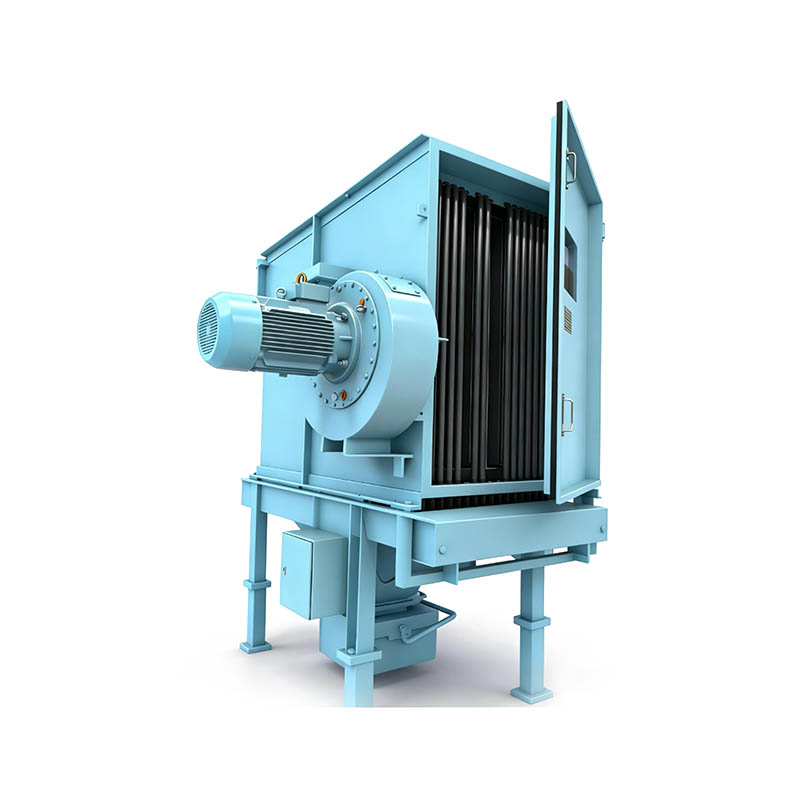
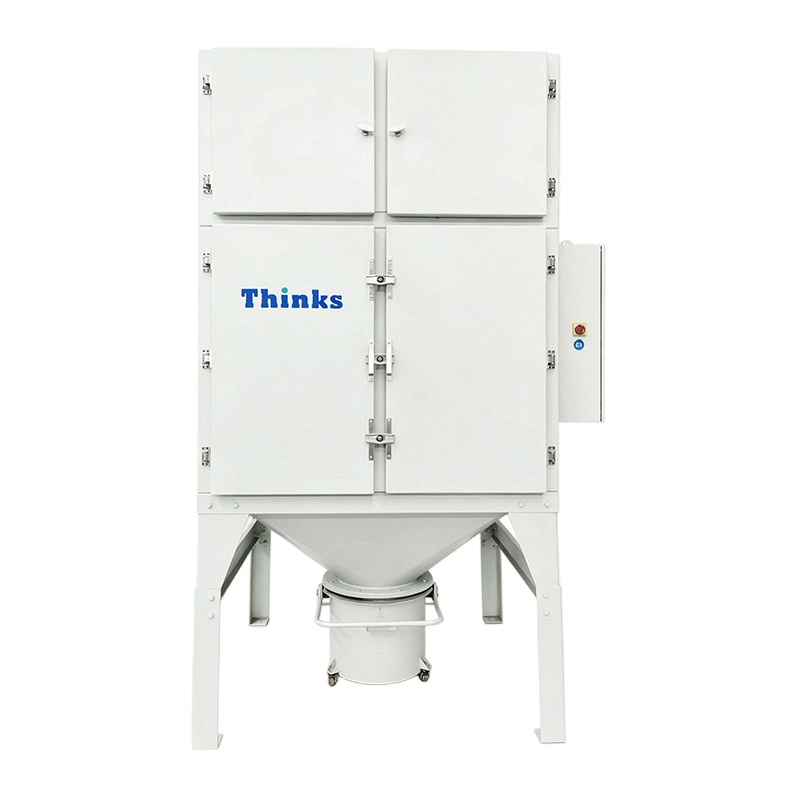
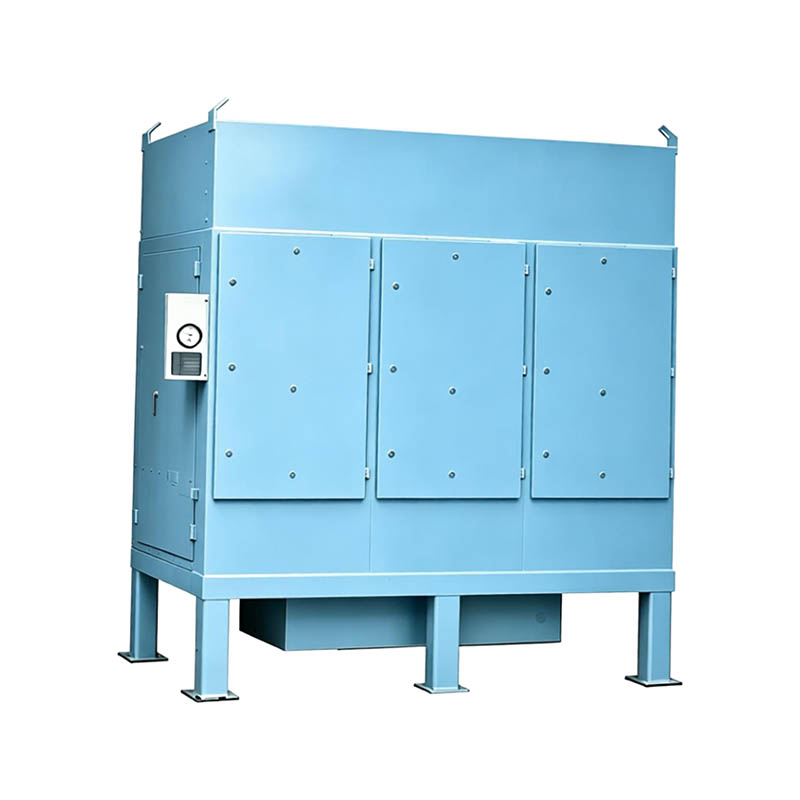
An Oil Mist Collector is an industrial air cleaning device designed to capture and filter oil mist, smoke, and fine particulate matter generated during manufacturing processes. It improves air quality by removing airborne oil particles produced in machining environments.
During CNC machining, turning, grinding, and drilling operations, cutting fluids and lubricants are exposed to high-speed mechanical forces and heat. This causes them to atomize into microscopic droplets that remain suspended in the air.
The core working principle of an Oil Mist Collector is to draw contaminated air into the system, separate oil particles through multiple filtration stages, and release clean air back into the workshop or outside environment.
Modern industrial oil mist collectors often feature high efficiency filtration, low noise operation, energy-saving design, and automated control systems. Some advanced oil mist filtration systems also include real-time monitoring and remote maintenance capabilities.
How an Oil Mist Collector Works
How Oil Mist Is Generated
In industrial machining environments, cutting fluids and lubricants break into fine particles due to high-speed rotation, pressure, and heat. These particles form a mist that spreads throughout the workshop.
Typical sources include CNC machining, grinding, turning, drilling, and heat treatment processes.
| Processing Type | Main Source of Oil Mist |
| CNC Machining | Cutting fluid evaporation |
| Grinding | High-speed oil smoke generation |
| Turning | Lubricant splashing |
| Drilling | Coolant atomization |
| Heat Treatment | Oil vapor and smoke mixture |
Filtration Process of Oil Mist Collector
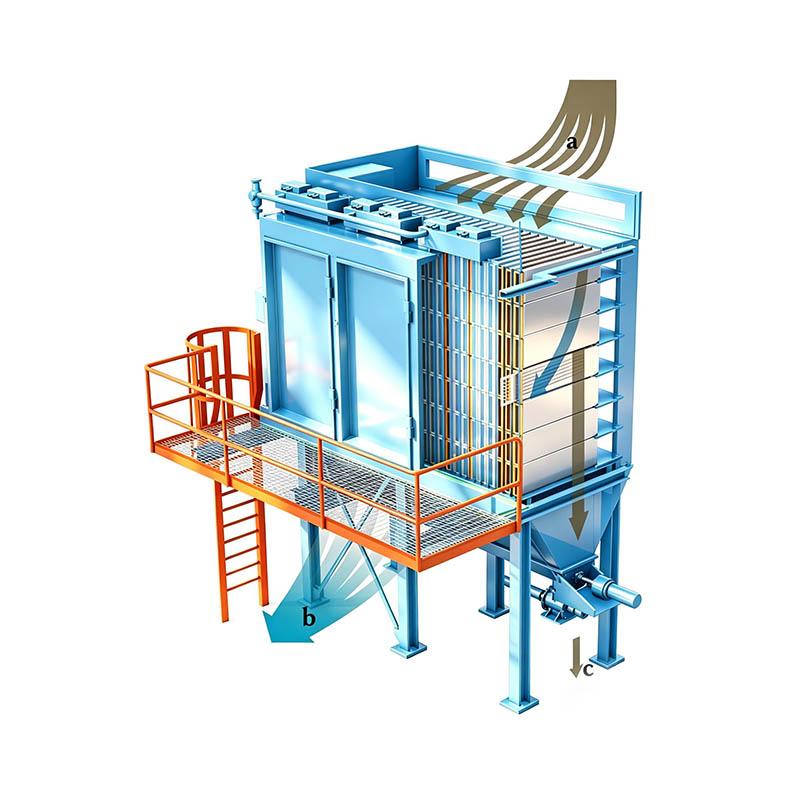
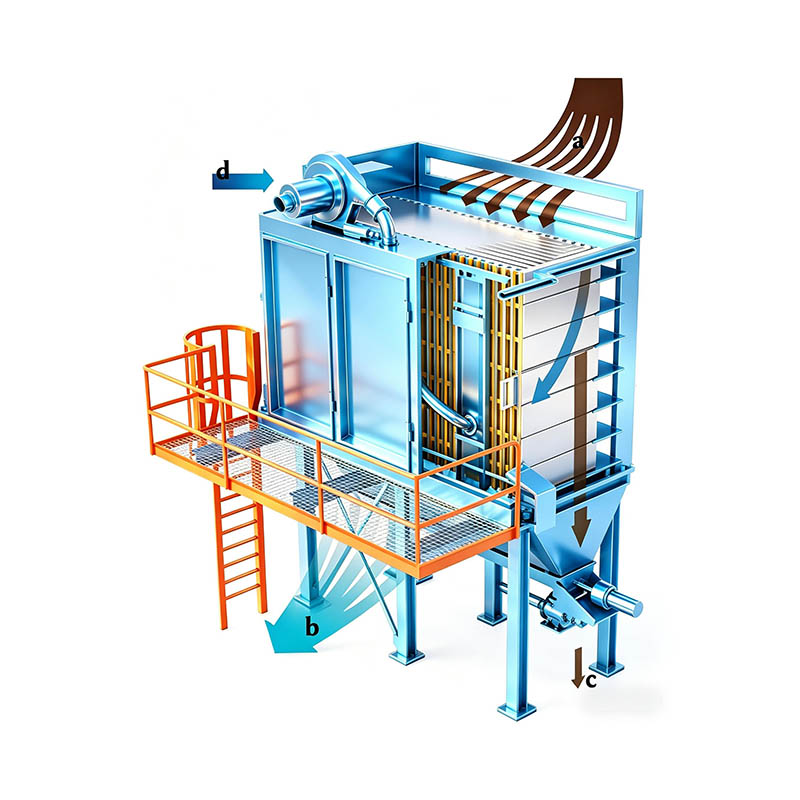
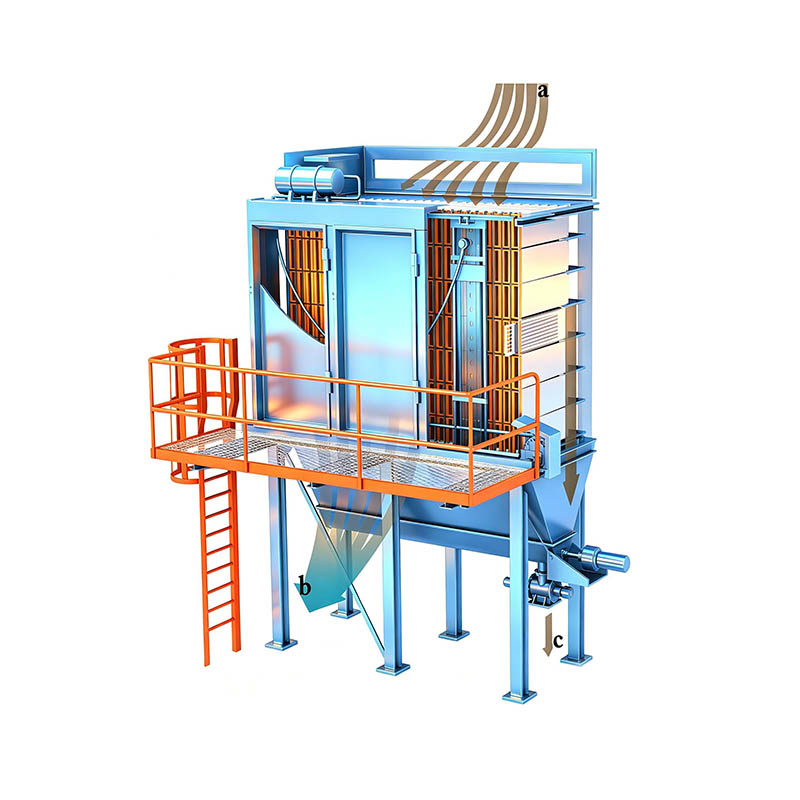
A typical oil mist filtration system consists of multiple stages. First, contaminated air is drawn into the system by a fan. Large oil droplets are removed through a primary separation stage. The air then passes through finer filtration layers that capture smaller particles.
Some industrial oil mist collectors use centrifugal force to separate oil droplets, while others rely on electrostatic adsorption technology to capture fine particles.
| Filtration Stage | Function |
| Primary Filtration | Removes large oil droplets |
| Secondary Filtration | Captures fine mist particles |
| High Efficiency Filtration | Removes micron-level particles |
| Electrostatic Purification | Adsorbs ultra-fine oil smoke |
| Air Recycle | Releases purified air |
Why CNC Machines Need an Oil Mist Collector
As CNC machining becomes faster and more precise, oil mist problems inside workshops become more serious. High-speed cutting processes generate large amounts of oil mist that accumulate in enclosed machine environments.
Health Risks for Workers
Long-term exposure to oil mist can cause respiratory irritation, skin discomfort, and eye issues. Fine particles may enter the lungs and affect long-term health. This is why many factories install cnc machine oil mist collectors as part of occupational safety measures.
Impact on Equipment
Oil mist gradually accumulates on machine surfaces, electrical components, and control systems. This reduces cooling efficiency and increases the risk of equipment failure. Precision machining quality can also be affected.
Impact on Production Environment
Oil mist creates slippery floors and increases safety risks. It also affects overall workshop cleanliness and working conditions. Many factories now integrate oil smoke and mist collectors into smart manufacturing systems.
Types of Oil Mist Filtration Systems
Centrifugal Oil Mist Collector
This type uses centrifugal force to separate oil droplets from air. It is simple, cost-effective, and suitable for general machining environments, but less effective for ultra-fine particles.
Electrostatic Oil Mist Extraction System
This system uses high-voltage electric fields to capture fine oil particles. It is highly efficient and suitable for precision manufacturing, but requires regular cleaning.
Filter Cartridge Oil Mist System
This system uses multiple layers of filter media to purify air. It offers high filtration efficiency and is widely used in CNC machining centers.
Hybrid Systems
Hybrid oil mist collectors combine multiple technologies such as centrifugal separation and filtration to achieve balanced performance.
| Type | Advantages | Applications |
| Centrifugal | Low cost, easy maintenance | General machining |
| Electrostatic | High efficiency for fine particles | Precision manufacturing |
| Filter Cartridge | High filtration efficiency | CNC machining |
| Hybrid | Comprehensive performance | Large industrial workshops |
How to Choose the Right Oil Mist Collector
Airflow Capacity
Airflow is one of the most important factors when selecting an oil mist extraction system. Insufficient airflow reduces efficiency, while excessive airflow increases energy consumption.
Filtration Efficiency
High-precision industries require systems with superior filtration capability to ensure clean air quality.
Maintenance Cost
Maintenance includes filter replacement, cleaning frequency, and system downtime. Long-term operational cost should be considered.
Energy Consumption
Energy efficiency is increasingly important in modern manufacturing environments.
Automation Features
Modern systems may include monitoring, remote control, and automatic alarm functions.
| Application Scenario | Recommended System |
| Small CNC Machines | Filter Cartridge System |
| Large Machining Centers | Hybrid System |
| High Oil Mist Environments | Electrostatic System |
| General Machining | Centrifugal System |
| Smart Factories | Automated Oil Mist Extraction System |
Industries Using Oil Mist Collectors
Oil Mist Collectors are widely used across multiple industrial sectors due to increasing environmental and safety requirements.
CNC Machining Industry
CNC machining is one of the largest application areas. High-speed cutting generates significant oil mist, requiring effective filtration systems.
Automotive Manufacturing
Oil Mist Collectors help reduce contamination and improve air quality in automotive component production.
Aerospace Industry
Precision requirements in aerospace manufacturing demand extremely clean environments.
Mold Manufacturing
Long machining cycles produce high levels of oil mist, making filtration essential.
Precision Electronics
Some electronic manufacturing processes also require air purification systems to maintain clean environments.
Maintenance and Care
Regular Filter Cleaning
Filters accumulate oil over time, reducing system efficiency if not cleaned regularly.
Fan Inspection
Fans are critical components. Vibration, noise, and temperature should be monitored regularly.
Filter Replacement
Filters are consumable parts and must be replaced depending on operating conditions.
Oil Recovery System Cleaning
Some systems include oil recovery functions that require periodic cleaning.
| Maintenance Item | Recommended Interval |
| Primary Filter Cleaning | Weekly |
| Filter Inspection | Monthly |
| Fan Maintenance | Quarterly |
| System Inspection | Yearly |
| Duct Cleaning | Every 6 months |
Future Trends of Oil Mist Extraction Systems
Smart Monitoring Technology
Future systems will integrate real-time monitoring of air quality and system performance.
Energy Efficient Designs
New technologies will reduce energy consumption while maintaining high efficiency.
Automated Maintenance
Systems will increasingly include self-cleaning and automatic alert functions.
Environmental Regulations
Stricter environmental policies will drive increased adoption of Oil Mist Collectors.
High Precision Filtration
Future systems will be capable of capturing even finer particles for advanced manufacturing needs.
Conclusion
Oil Mist Collectors play an essential role in modern industrial environments. Whether in CNC machining, automotive production, aerospace engineering, or precision electronics, oil mist has a direct impact on productivity, equipment lifespan, and worker health.
By selecting the right industrial oil mist collector, implementing an effective oil mist filtration system, and maintaining a proper oil mist extraction system, companies can significantly improve operational efficiency and reduce long-term costs.
As manufacturing continues to evolve toward automation and sustainability, oil smoke and mist collectors will become even more important in future industrial systems.