English
  عربى
عربى  Español
  中文简体
中文简体

Content
- 1 Introduction: The Rising Need for Explosion-Proof Dust Control Systems
- 2 What Is an Explosion Proof Wet Dust Collector?
- 3 How Explosion Proof Wet Dust Collector Systems Work
- 4 Key Advantages in Industrial Applications
- 5 Industrial Applications of Explosion-Proof Wet Dust Collectors
- 6 Key Design Features of Modern Explosion-Proof Wet Dust Collectors
- 7 How to Choose the Right Explosion-Proof Wet Dust Collector
- 8 Installation and Operational Considerations
- 9 Maintenance and Lifecycle Performance
- 10 Industry Compliance and Safety Standards
- 11 Conclusion: Why Explosion-Proof Wet Dust Collectors Are Becoming Industry Standard
- 12 FAQ
Introduction: The Rising Need for Explosion-Proof Dust Control Systems
Industrial production processes such as metal grinding, chemical processing, battery manufacturing, and wood machining continuously generate fine dust particles. Many of these particles are combustible under specific conditions, forming explosive dust clouds that can pose severe safety risks. Over the past decades, dust-related explosions have caused significant damage to facilities and equipment, making industrial air safety a critical global concern.
In response, industries are increasingly adopting advanced air treatment technologies, especially explosion-proof wet dust collector systems, which provide a safer alternative to traditional dry filtration units. Unlike conventional systems that rely on filter media, wet-based collectors use liquid to capture, cool, and neutralize hazardous particles, significantly reducing the risk of ignition.
What Is an Explosion Proof Wet Dust Collector?
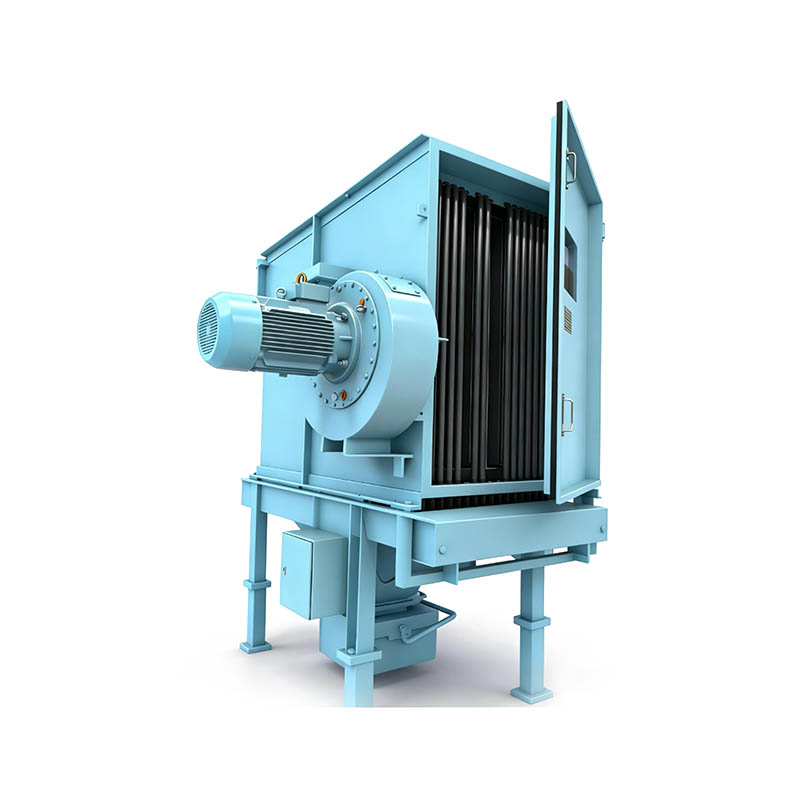
An explosion proof wet dust collector is an industrial air purification system designed to capture combustible dust particles using a water-based filtration process. It is specifically engineered for hazardous environments where dry dust accumulation could lead to fire or explosion risks.
Unlike dry dust collection systems that rely on filter cartridges or bags, this system passes contaminated air through a water chamber. Dust particles are trapped and neutralized in water, preventing them from becoming airborne again or igniting.
This type of system is widely used in industries that deal with fine, reactive, or flammable dust, offering a higher level of safety compared to traditional filtration methods.
How Explosion Proof Wet Dust Collector Systems Work
The working principle of an explosion proof wet dust collector is based on multi-stage wet scrubbing and inertization.
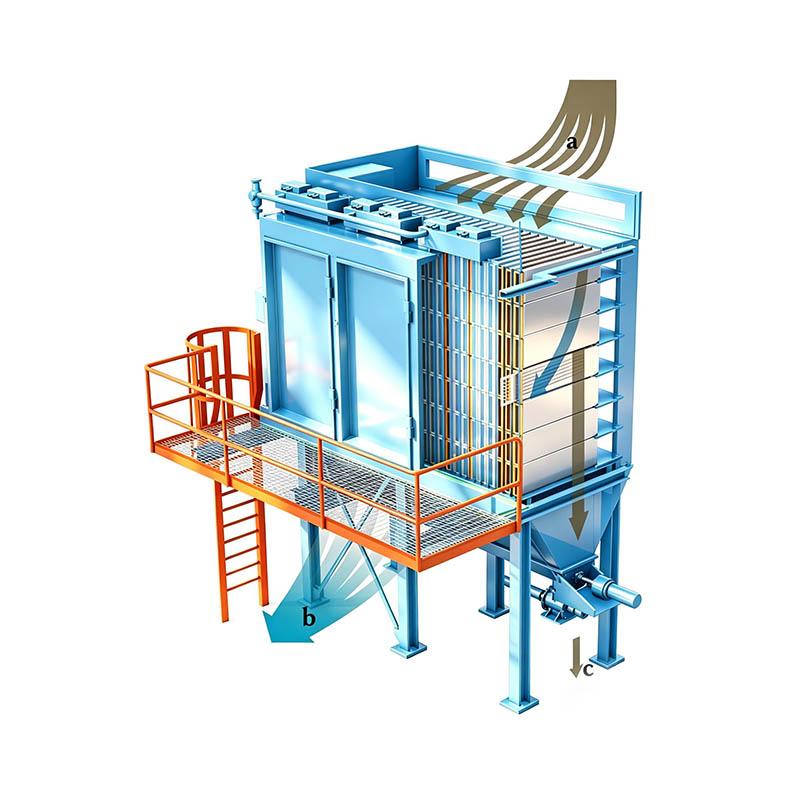
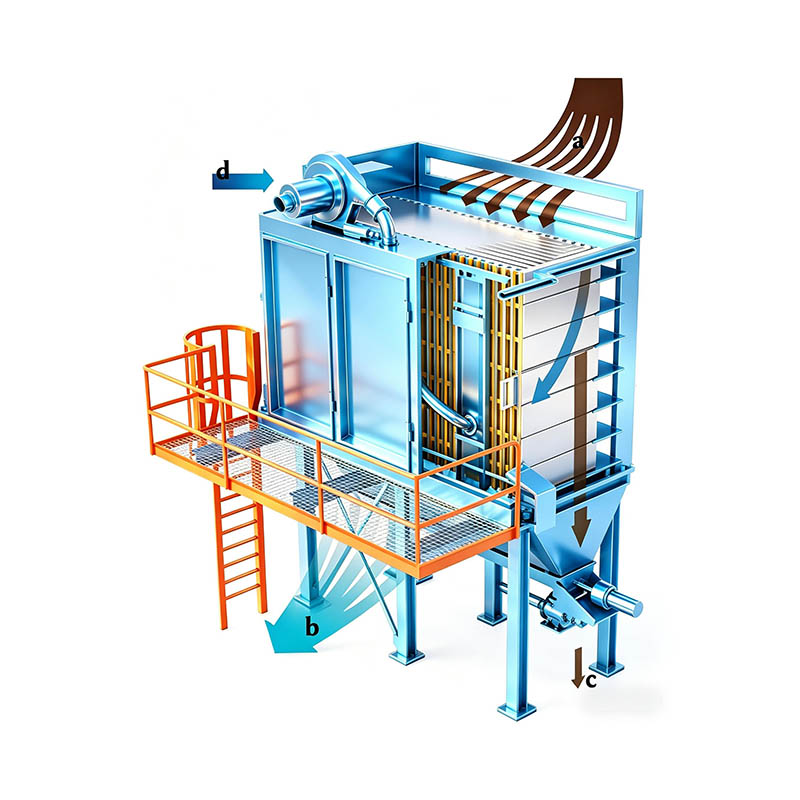
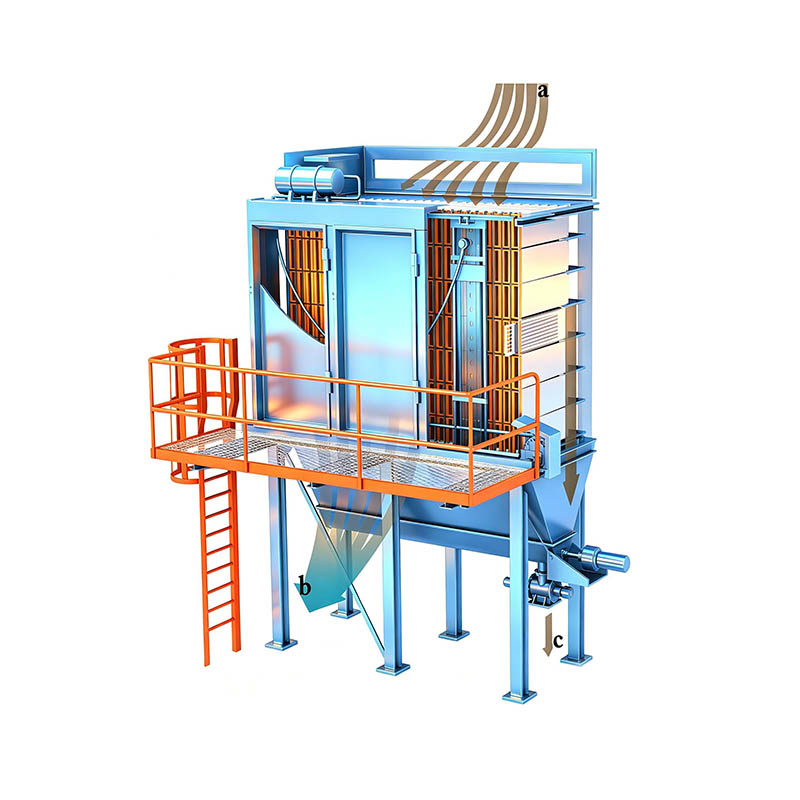
First, contaminated air enters the collection chamber through a high-velocity inlet. The airflow is directed into a water spray or water curtain zone, where dust particles collide with water droplets. This interaction causes particles to become heavier and separate from the air stream.
Next, the air passes through a secondary separation zone where remaining fine particles are further captured. The water traps and neutralizes combustible dust, significantly lowering the risk of ignition.
Finally, clean air is discharged from the system while contaminated water is collected in a sludge tank for periodic removal.
Key safety mechanisms include spark suppression, controlled airflow velocity, and explosion-resistant structural design.
Key Advantages in Industrial Applications
Explosion proof wet dust collector systems provide several important advantages in industrial environments.
One of the most significant benefits is explosion risk reduction. Since dust particles are immediately captured in water, the possibility of airborne combustible dust accumulation is minimized.
Another advantage is high-efficiency fine dust removal. Wet scrubbing technology is particularly effective for submicron particles that are difficult to capture using dry filters.
In addition, these systems reduce maintenance requirements because they eliminate the need for frequent filter replacement. This leads to lower long-term operational costs.
They also provide stable performance in harsh environments, including high-temperature or high-humidity conditions where dry systems may fail.
Finally, they support compliance with industrial safety standards such as ATEX certification and NFPA guidelines, making them suitable for global deployment.
Comparison: Wet vs Dry Explosion-Proof Dust Collection Systems
| Feature | Wet Dust Collector | Dry Dust Collector |
|---|---|---|
| Explosion Risk | Very low due to water suppression | Higher due to dust accumulation |
| Filtration Method | Water-based scrubbing | Filter cartridges or bags |
| Maintenance Frequency | Low | Medium to high |
| Suitable Dust Type | Combustible, sticky, fine dust | General industrial dust |
| Operating Stability | High in harsh environments | Affected by clogging |
| Safety Level | High | Moderate |
This comparison highlights why wet systems are increasingly preferred in high-risk industrial applications where combustible dust is present.
Industrial Applications of Explosion-Proof Wet Dust Collectors
Explosion-proof wet dust collector systems are widely used across multiple industries where dust safety is critical.
In metal processing, they are used for grinding, cutting, and polishing operations where fine metallic dust is generated. In chemical plants, they help manage reactive powders and prevent hazardous accumulation.
Battery manufacturing facilities use these systems to handle lithium-based dust, which can be highly sensitive to ignition. Similarly, pharmaceutical production environments rely on wet dust collectors to control fine powder emissions.
Woodworking industries benefit from improved fire safety, as wood dust is one of the most common sources of industrial dust explosions. Food processing plants also use these systems for handling flour, sugar, and other combustible powders.
Key Design Features of Modern Explosion-Proof Wet Dust Collectors
Modern systems are designed with multiple safety and efficiency enhancements.
Explosion-resistant structural housing ensures that the system can withstand internal pressure changes. Stainless steel construction provides corrosion resistance and durability in wet environments.
Integrated water circulation systems optimize filtration efficiency while minimizing water consumption. High-efficiency separation chambers improve dust capture rates by extending contact time between air and water.
Additionally, automated sludge discharge systems reduce manual maintenance and improve operational continuity. Many advanced systems also include monitoring sensors for pressure, airflow, and water levels.
Technical Specifications Overview (Product Selection Table)
| Parameter | Typical Range | Function |
|---|---|---|
| Airflow Capacity | 3,000 – 100,000 m³/h | Determines processing scale |
| Water System Type | Circulating / Direct spray | Controls dust capture efficiency |
| Explosion Protection Level | Industrial / ATEX compliant | Ensures operational safety |
| Material Construction | Stainless steel / coated steel | Corrosion resistance |
| Filtration Efficiency | Up to 99% fine dust removal | Air quality improvement |
| Operation Mode | Continuous/intermittent | Flexible production support |
These specifications help industrial users select the appropriate system based on operational requirements.
How to Choose the Right Explosion-Proof Wet Dust Collector
Selecting the right system depends on several key factors. The type of dust being generated is the most important consideration, as different materials have different combustion risks.
Airflow requirements must also be evaluated to ensure the system can handle production volume. Environmental conditions such as temperature, humidity, and space availability will also affect system design.
In addition, compliance requirements such as ATEX certification may be necessary depending on regional regulations.
Installation and Operational Considerations
Proper installation is essential for ensuring system efficiency and safety. The equipment should be placed in a well-ventilated area with adequate drainage for wastewater management.
Electrical systems must comply with hazardous area standards to prevent ignition risks. Air duct design should minimize pressure loss and maintain consistent airflow.
Regular inspection of water levels, pumps, and sludge accumulation is also necessary to ensure stable performance.
Maintenance and Lifecycle Performance
One of the advantages of explosion proof wet dust collector systems is relatively low maintenance demand. However, periodic cleaning of the water tank is required to prevent sediment buildup.
Sludge removal systems should be operated regularly, depending on the dust load. Wear components such as pumps and spray nozzles may require replacement over time.
With proper maintenance, these systems can provide long-term stable performance and reduced lifecycle cost compared to dry filtration systems.
Industry Compliance and Safety Standards
These systems are often designed to meet strict international safety standards. ATEX certification is commonly required for equipment used in explosive atmospheres in Europe.
In North America, NFPA standards govern combustible dust handling and explosion prevention strategies. Compliance with these standards ensures that systems are suitable for high-risk industrial environments.
Environmental regulations also require proper wastewater handling and emission control, further emphasizing the importance of integrated system design.
Conclusion: Why Explosion-Proof Wet Dust Collectors Are Becoming Industry Standard
As industrial safety requirements continue to evolve, explosion proof wet dust collector systems are becoming a preferred solution for handling combustible dust. Their ability to reduce explosion risk, improve air quality, and maintain stable performance in harsh environments makes them a critical component in modern industrial safety systems.
With increasing regulatory pressure and growing awareness of workplace safety, industries are expected to continue adopting wet dust collection technologies as a long-term standard for hazardous dust control applications.
FAQ
1. What is an explosion proof wet dust collector used for?
An explosion proof wet dust collector is used to safely capture combustible and hazardous dust in industrial environments. It uses water-based filtration to reduce ignition risks while improving air quality in operations such as metal processing, chemical production, woodworking, and powder handling industries.
2. How does a wet dust collector reduce explosion risks?
It reduces explosion risks by immediately trapping dust particles in water. This prevents dry dust accumulation and airborne dust clouds, which are the primary causes of industrial dust explosions. The water also helps cool sparks and neutralize reactive particles.
3. What is the difference between a wet dust collector and a dry dust collector?
A wet dust collector uses water to capture and suppress dust, while a dry dust collector relies on filters or bags. Wet systems are generally safer for combustible dust because they eliminate dry dust buildup and reduce ignition probability.
4. Is an explosion proof wet dust collector suitable for all industries?
It is best suited for industries that generate fine, combustible, or hazardous dust. Common applications include metal grinding, chemical processing, battery manufacturing, pharmaceutical production, woodworking, and food powder handling.
5. Does this system require a lot of maintenance?
No, maintenance requirements are relatively low compared to dry systems. However, periodic cleaning of the water tank, sludge removal, and inspection of pumps and spray components are necessary to ensure stable performance.