English
  عربى
عربى  Español
  中文简体
中文简体
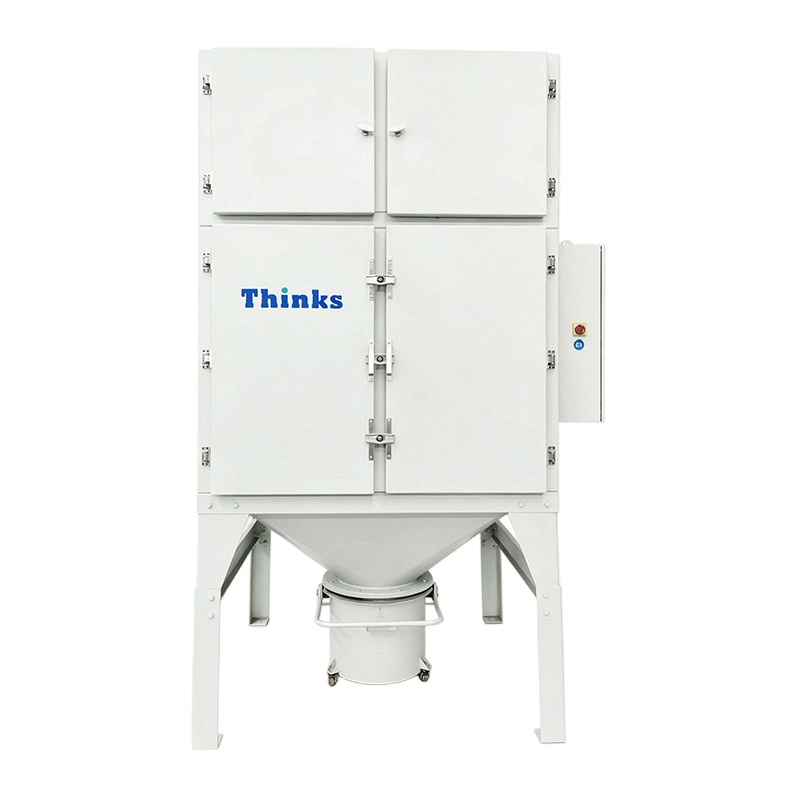

Key Attributes and Benefits of Cartridge Dust Collectors:
Compact Footprint for Space-Constrained Facilities
Cartridge collectors typically require less floor space than baghouses, offering an excellent solution for facilities with limited room to install dust control systems.
Superior Filtration Efficiency
The pleated cartridge design optimizes the filtration media’s surface area, improving dust holding capacity and reducing pressure drop. This translates directly to cleaner air and potentially lower operational costs. Cartridge systems perform exceptionally well in filtering fine particulates common in industries like pharmaceuticals, food processing, and light manufacturing.
Maintenance and Operational Efficiency
Cartridges are easier and quicker to access and replace compared to baghouse filter bags, reducing downtime and labor costs. Automated pulse-jet cleaning systems keep cartridges efficient by periodically removing dust buildup.
Cartridge Dust Collectors Provide Energy Savings
Thanks to lower resistance across the filters, cartridge collectors require less fan power, reducing energy consumption and operational expenses.
Examining Baghouse Dust Collectors
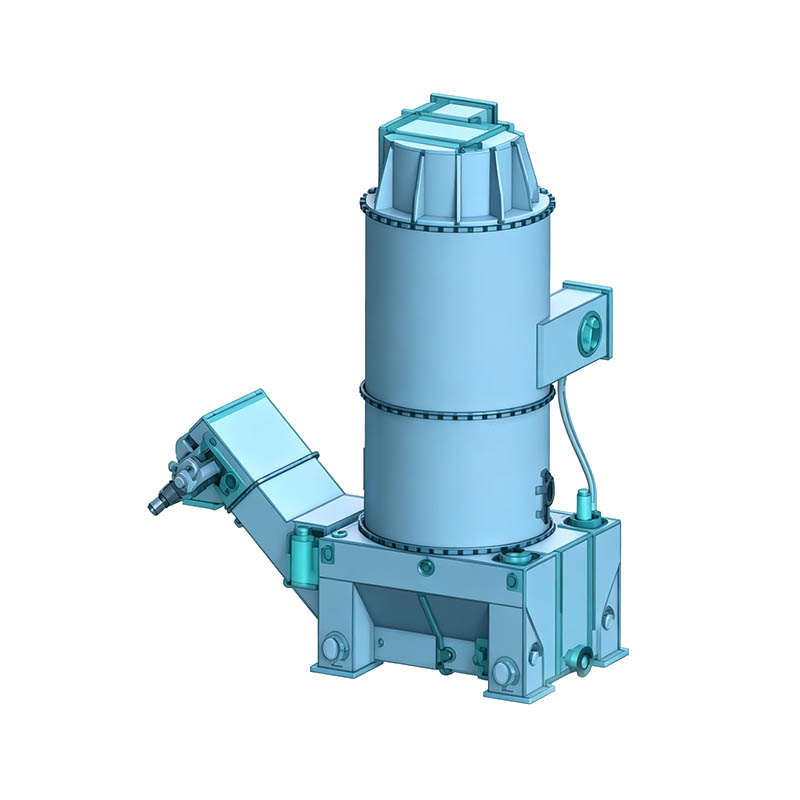
Baghouse dust collectors have been a mainstay in industrial dust control for decades. These systems use vast arrays of fabric filter bags housed in large cabinets, designed to handle heavy dust loads and high airflow volumes. Industries with substantial dust generation, such as cement manufacturing, mining, steel production, and chemical processing, often employ baghouses for their robustness and scalability.
Advantages Specific to Baghouse Dust Collectors
High Dust Load Handling Capacity
Baghouses can process large air volumes with high dust concentrations, making them the preferred option in heavy industrial processes that generate significant particulate matter.
Customization and Versatility
Different bag fabric types and cleaning technologies allow baghouses to be tailored to handle specific dust characteristics, including temperature, moisture, and abrasive particles.
Durability and Filter Longevity
Well-maintained filter bags can provide extended service life. Baghouses’ modular design allows maintenance or replacement of sections without full system downtime.
Proven Performance
Baghouses are time-tested and meet diverse regulatory requirements worldwide, especially where particulate mass and emission limits are rigorously enforced.
Choosing the Best Fit: Key Considerations
Selecting between cartridge and baghouse dust collectors requires a thorough assessment of your operational realities:
Facility Space Constraints
Cartridge collectors suit compact installations, while baghouses generally need greater room for housing the fabric bags and associated mechanisms.
Dust Characteristics and Volume
Cartridge systems excel with fine, dry particulates and lower dust load volumes. Baghouses are better equipped to handle coarse or abrasive dust and heavier volumes.
Maintenance Resources and Downtime Tolerance
Facilities with limited maintenance personnel or needing rapid filter changes benefit from cartridge systems. Conversely, baghouses, while more maintenance-intensive, can offer cost efficiencies at scale.
Operational Economics
Evaluate upfront capital versus ongoing operational costs. Cartridge systems often have higher filter replacement costs but may offer energy savings and lower labor costs. Baghouses may require more extensive maintenance, but can offer longer filter life and expandability.
Environmental and Regulatory Compliance
Both systems meet stringent air quality standards, but your specific pollutant profile, permit conditions, and future regulations should guide selection.