English
  عربى
عربى  Español
  中文简体
中文简体

Industrial Dust Collection Solutions
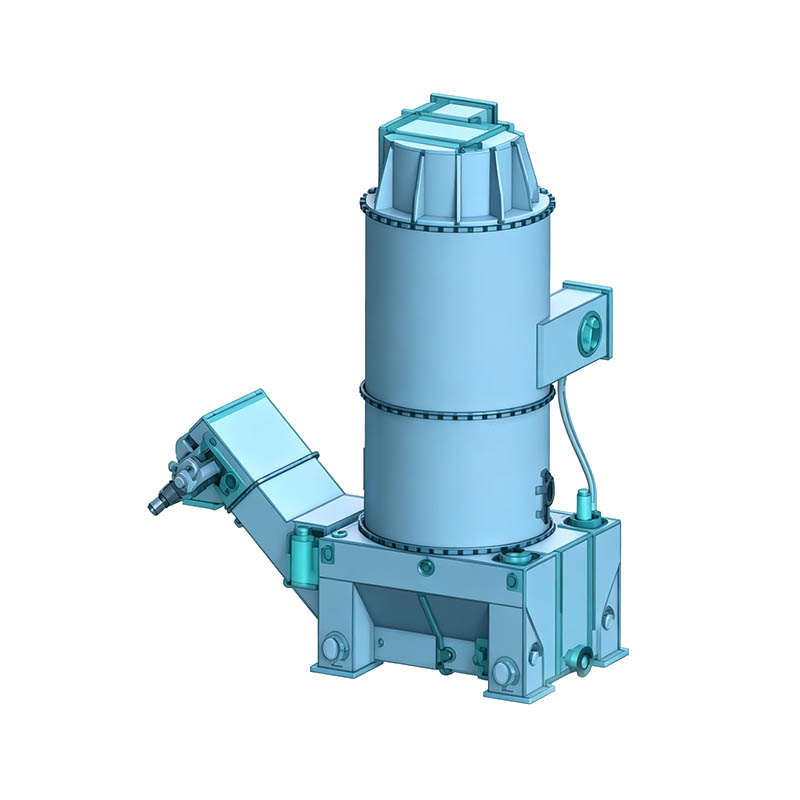
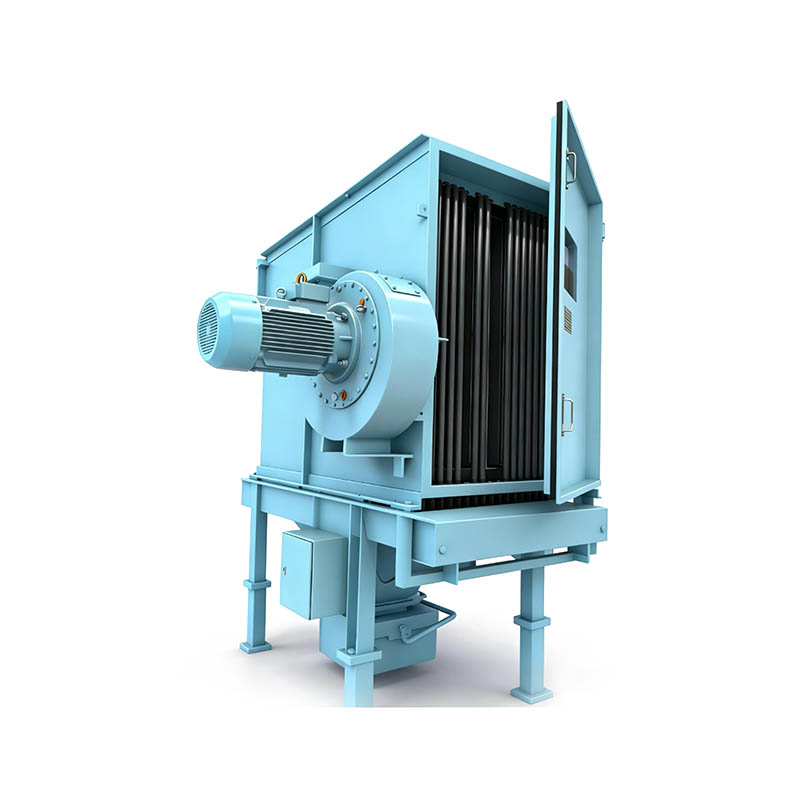
Pulse Jet Baghouse
A pulse jet baghouse is a high-efficiency industrial dust collector that uses compressed air pulses to clean filter bags while the system remains online. This continuous cleaning capability makes pulse jet baghouses the preferred choice for demanding applications in cement, mining, chemical, pharmaceutical, and food processing industries where uninterrupted operation is essential.
With filtration efficiencies exceeding 99.9%, pulse jet baghouses capture sub-micron particulate matter, ensuring compliance with stringent environmental regulations while protecting equipment and worker health.
99.9% Filtration efficiency
Online Continuous cleaning
1,000+ Installations worldwide
What Is a Pulse Jet Baghouse
A pulse jet baghouse is a type of fabric filter dust collector that uses short bursts of compressed air to clean the filter bags. The cleaning process, known as pulse jet cleaning, removes accumulated dust from the filter media while the collector continues to operate, providing continuous dust collection without interruption.
Pulse jet baghouses are widely used in industries where high dust loads and continuous operation are required. They are available in various configurations including round bag, flat bag, and cartridge designs, each suited to specific applications and space constraints.
How a Pulse Jet Baghouse Works
A pulse jet baghouse operates through a continuous cycle of filtration and cleaning, ensuring high efficiency and long service life:
01
Dust-laden air intake
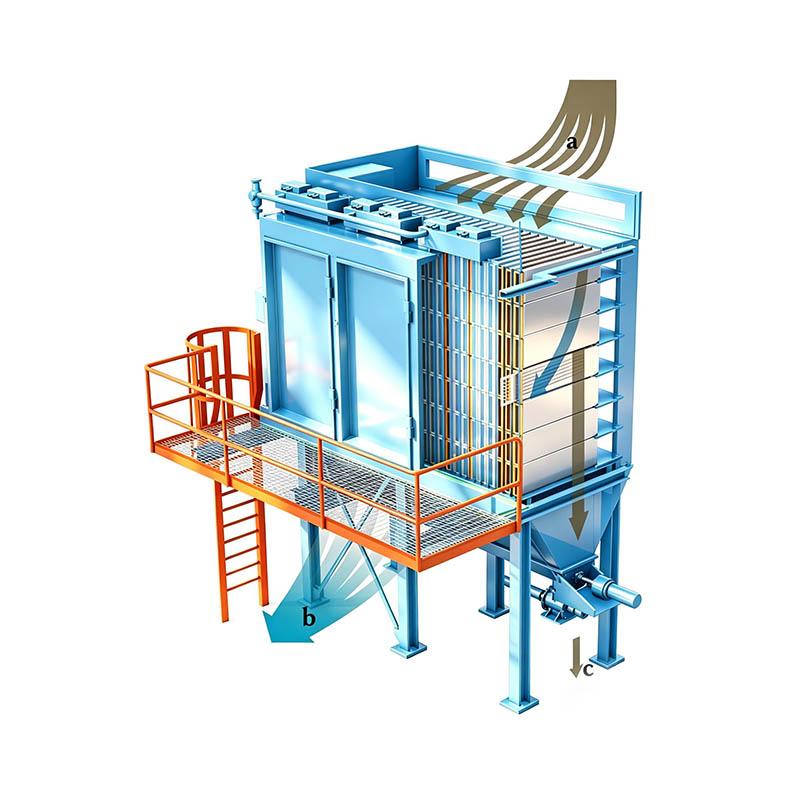
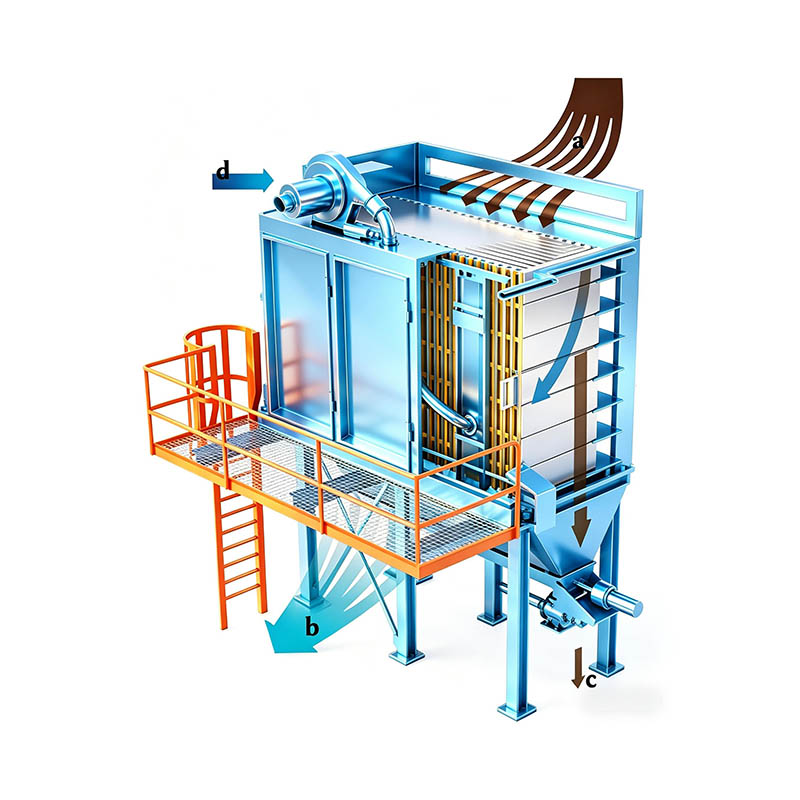
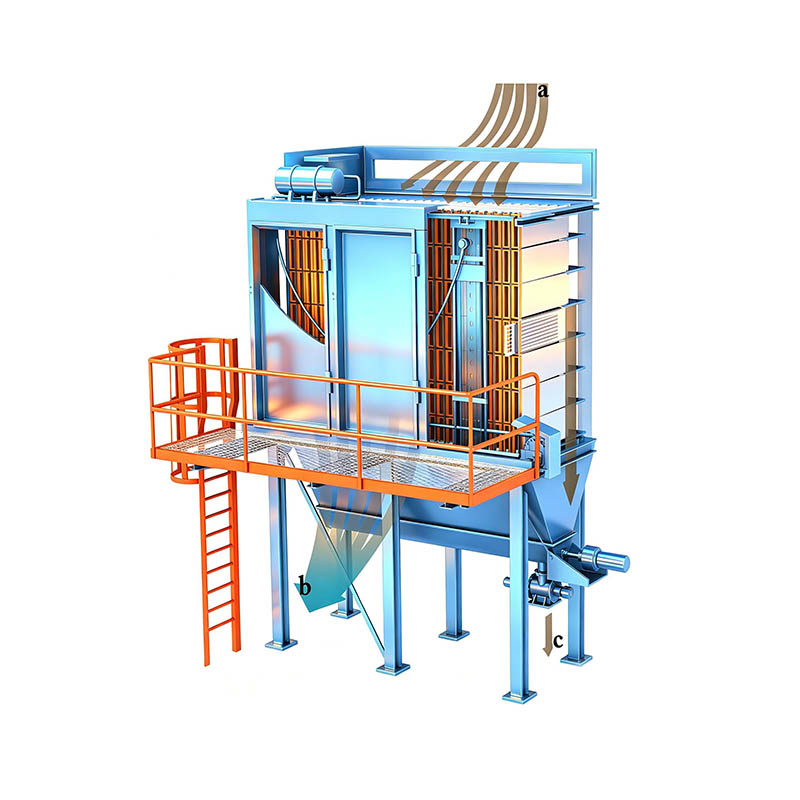
Contaminated air enters the baghouse through the inlet, where a baffle or distribution plate directs the airflow evenly across the filter bags to prevent localized loading.
02
Filtration
Air passes through the filter bags from the outside in, with dust particles trapped on the outer surface of the fabric while clean air passes through and exits the collector.
03
Pulse jet cleaning
Short bursts of compressed air are injected through nozzles above each row of bags, creating a shock wave that dislodges accumulated dust from the bag surface without interrupting airflow.
04
Dust discharge and collection
The dislodged dust falls into the hopper at the bottom of the collector and is discharged through a rotary valve or screw conveyor for disposal or recovery.
Key Features and Benefits
Pulse jet baghouses offer significant advantages for industrial dust control applications:
Performance Continuous operation
Online cleaning allows the baghouse to operate continuously without the need for shutdown during filter cleaning, ensuring uninterrupted production.
Performance High filtration efficiency
Capable of capturing sub-micron particles with efficiency exceeding 99.9%, meeting stringent environmental regulations.
Performance Low pressure drop
Efficient cleaning cycles maintain low differential pressure across the filter bags, reducing fan energy consumption and operating costs.
Durability Long filter life
Gentle cleaning action and robust filter media extend bag life, reducing maintenance frequency and replacement costs.
Durability Versatile configuration
Available in round bag, flat bag, and cartridge designs with various filter media options to suit different dust types and operating conditions.
Durability Corrosion-resistant construction
Built with carbon steel, stainless steel, or coated materials to withstand corrosive environments and harsh operating conditions.
Applications and Industries
Pulse jet baghouses are essential in numerous industrial applications:
Cement and Mining
Kilns, crushers, mills, and material handling systems requiring high-capacity dust collection for abrasive and high-temperature dust.
Chemical and Pharmaceutical
Process equipment, dryers, and material transfer systems requiring high-efficiency filtration for fine powders and potentially explosive dusts.
Food Processing
Grain handling, milling, and processing operations requiring sanitary design and compliance with food safety standards.
Metal Processing
Melting furnaces, grinding operations, and shot blasting requiring heat-resistant filter media and robust construction.
Woodworking and Biomass
Wood processing, sawmills, and biomass handling requiring spark protection and fire safety features.
Recycling and Waste
Waste processing, recycling facilities, and incineration plants requiring reliable dust control for mixed material streams.
Comparison: Pulse Jet vs Other Baghouse Types
Pulse Jet
- Online cleaning, no shutdown required
- High air-to-cloth ratio
- Wide range of filter media options
- Suitable for high-temperature applications
- Compact design saves space
- Low maintenance requirements
Reverse Air
- Offline cleaning, requires compartment isolation
- Lower air-to-cloth ratio
- Limited filter media options
- Suitable for high-temperature applications
- Larger footprint required
- Higher maintenance requirements
Shaker Type
- Offline cleaning, requires shutdown
- Low air-to-cloth ratio
- Limited filter media options
- Low temperature applications only
- Simple construction
- Older technology, lower efficiency
Frequently Asked Questions
What is a pulse jet baghouse?
A pulse jet baghouse is a fabric filter dust collector that uses short bursts of compressed air to clean the filter bags while the system remains online, providing continuous dust collection without interruption.
How does pulse jet cleaning work?
Compressed air pulses are injected through nozzles above each row of filter bags, creating a shock wave that dislodges accumulated dust from the bag surface. The dislodged dust falls into the hopper for removal.
What is the typical filtration efficiency of a pulse jet baghouse?
Pulse jet baghouses typically achieve filtration efficiencies exceeding 99.9%, capable of capturing sub-micron particles and meeting stringent environmental regulations.
What industries use pulse jet baghouses?
They are used in cement, mining, chemical, pharmaceutical, food processing, metal processing, woodworking, recycling, and many other industries requiring high-efficiency dust control.
What filter media options are available?
Filter media options include polyester, Nomex, PTFE, fiberglass, P84, and various blends, selected based on dust characteristics, temperature, and chemical conditions.
How long do filter bags typically last?
Filter bag life depends on operating conditions, dust characteristics, and maintenance practices. Typical bag life ranges from 2 to 5 years, with some applications achieving 8 to 10 years of service.
Selecting a pulse jet baghouse requires careful consideration of dust characteristics, airflow requirements, and operating conditions.
Understanding filtration efficiency, cleaning mechanisms, and application requirements ensures reliable and compliant dust control performance.