English
  عربى
عربى  Español
  中文简体
中文简体

Content
- 1 How Dust Collectors Work
- 2 Types of Dust Collection Auxiliary Equipment
- 3 CFM Requirements and Airflow Considerations
- 4 Common Dust Collector Problems
- 5 How to Make a Dust Collector More Efficient
- 6 Types of Dust Collection Systems
- 7 Application Scenarios
- 8 Selection Considerations for Auxiliary Equipment
- 9 Maintenance Tips for Dust Collection Systems
- 10 Common Mistakes and Overlooked Considerations
- 11 Conclusion
- 12 Frequently Asked Questions
- 12.1 What are the CFM requirements for a dust collector?
- 12.2 What are common dust collector problems?
- 12.3 How can a dust collector be made more efficient?
- 12.4 Why does my dust collector sound loud with very little suction?
- 12.5 What types of dust collection systems are there?
- 12.6 What auxiliary equipment supports a dust collection system?
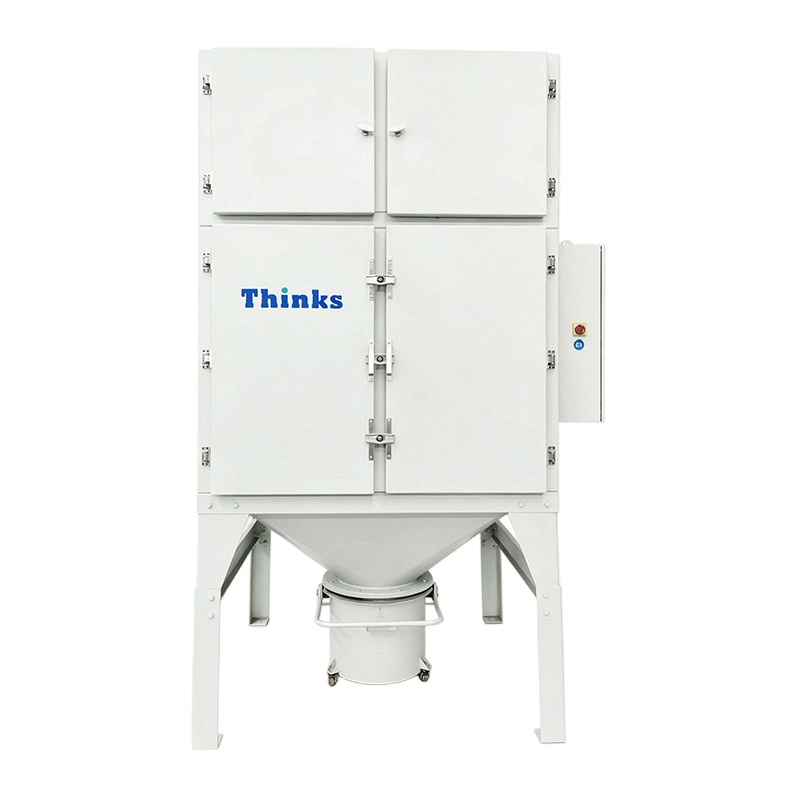
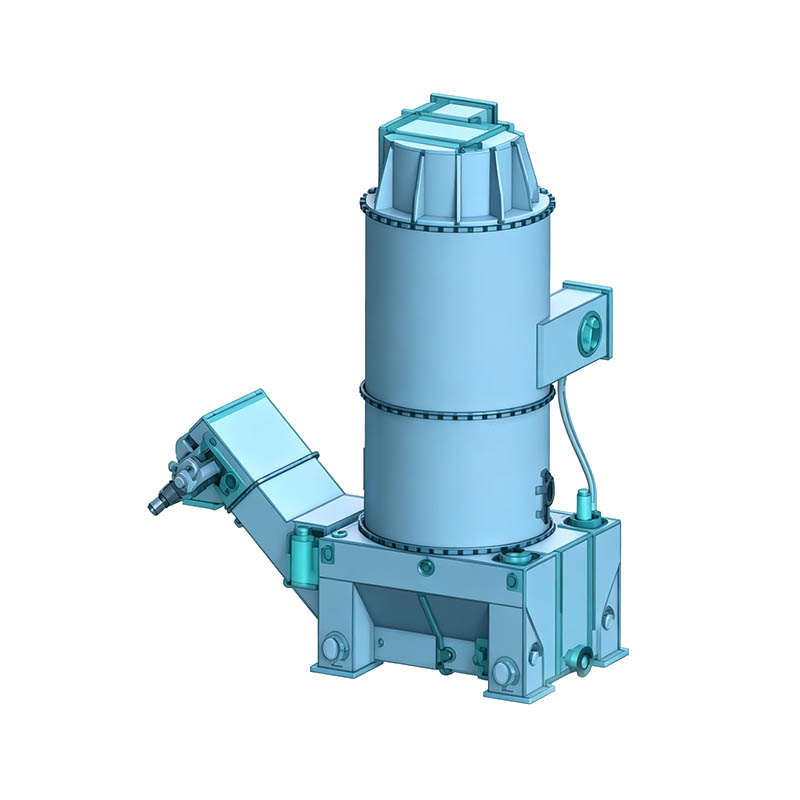
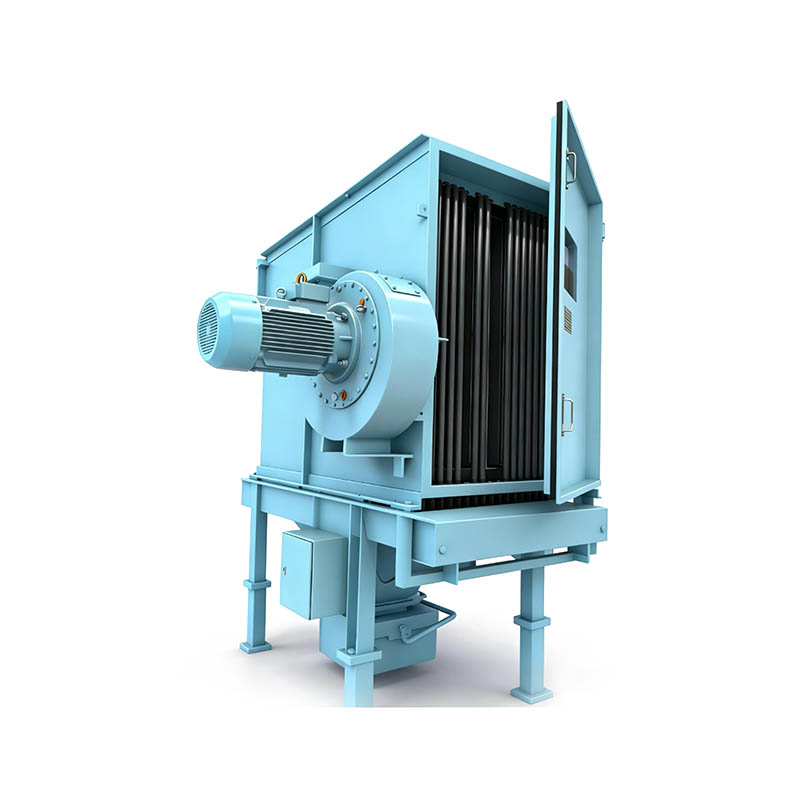
Dust collection auxiliary equipment refers to the supporting components installed alongside a primary dust collector unit to manage airflow, protect the system, and maintain consistent suction throughout a facility. This includes ductwork, blast gates, filter elements, spark arrestors, silencers, and dampers, each addressing a specific part of how air and particulate move through the overall system.
Ductwork & Blast Gates Direct and control airflow to each work point
Filters & Separators Capture particulate before exhaust or return air
Spark Arrestors Reduce ignition risk from hot particulate
Silencers & Dampers Manage noise and regulate airflow balance
How Dust Collectors Work
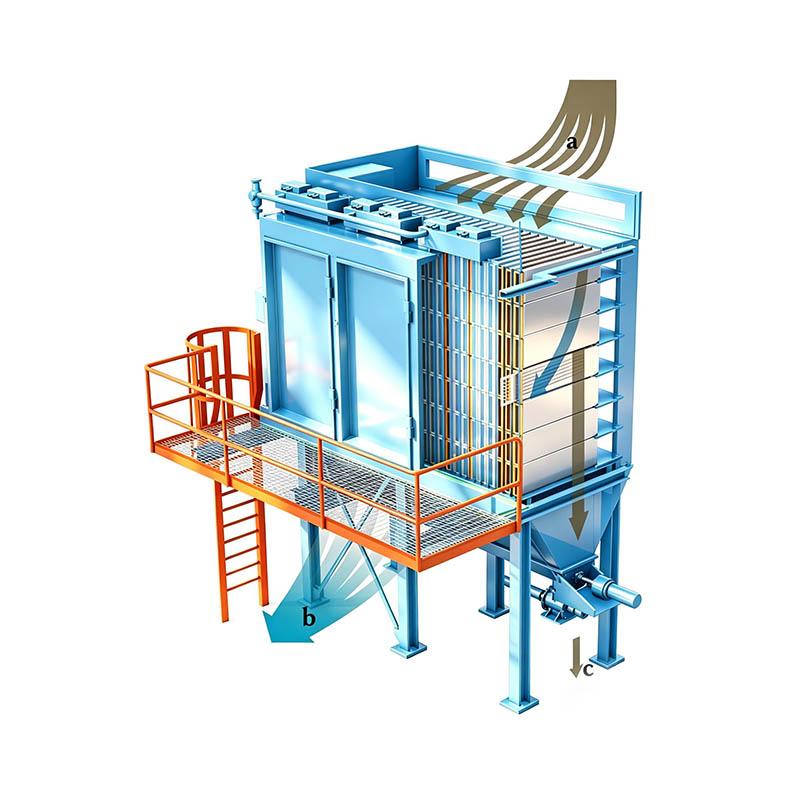
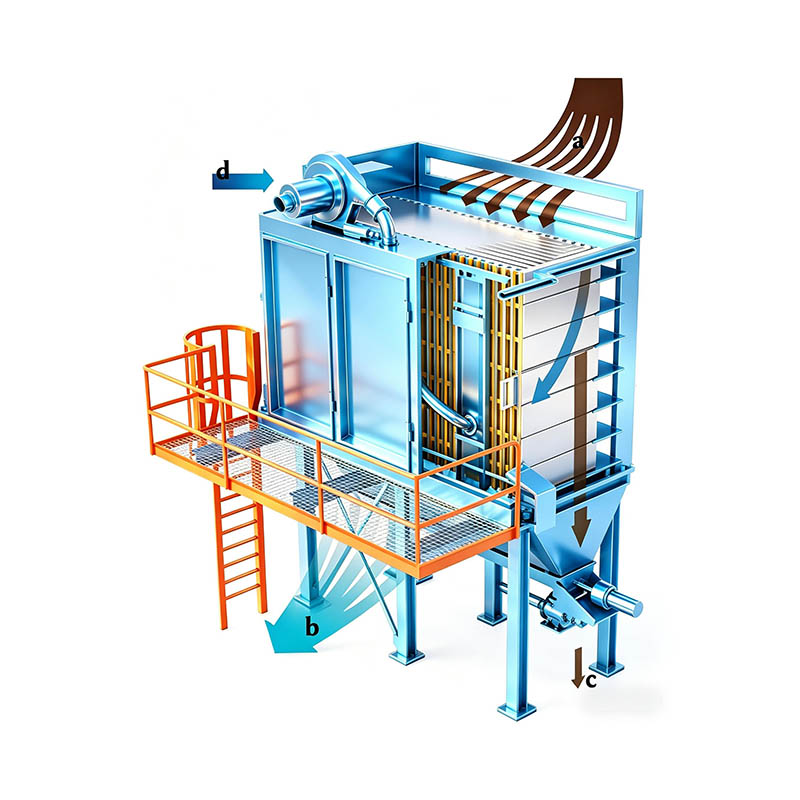
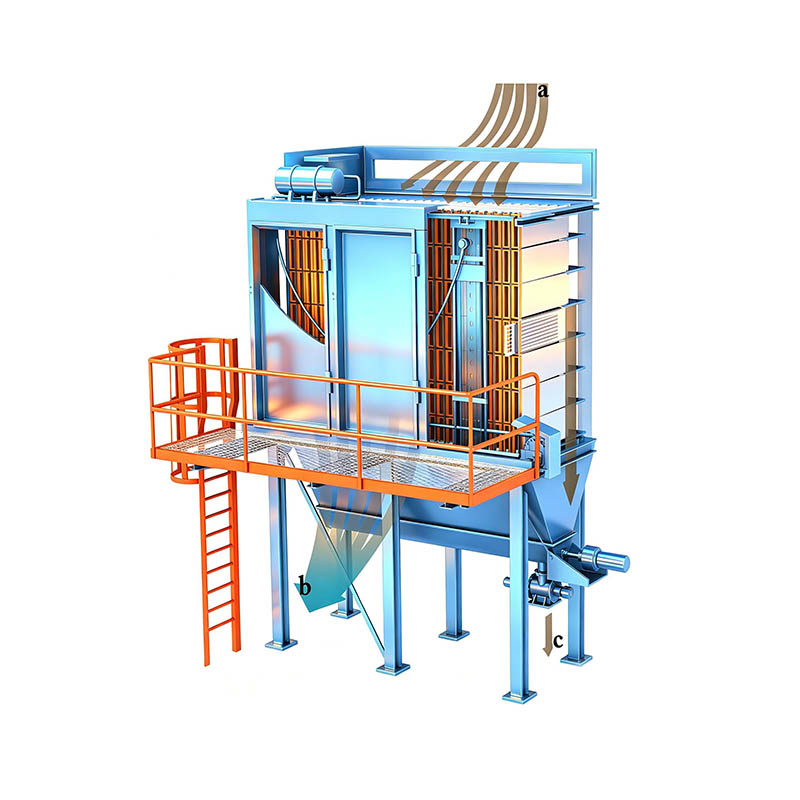
A dust collection system draws air, along with airborne dust and debris, through a network of ductwork into a central unit where particulate is separated from the airstream before the cleaned air is exhausted or returned to the workspace. The core collector generates suction through a fan or blower, while the auxiliary equipment surrounding it determines how effectively that suction reaches each point of use, how well particulate is filtered, and how safely the system operates over time.
Simplified airflow path: air drawn from a work point passes through a blast gate and ductwork, is filtered, and exits through the collector fan.
Types of Dust Collection Auxiliary Equipment
Ductwork and Fittings
Rigid or flexible piping that routes airflow from individual work points to the central collector, with elbows, wyes, and reducers affecting overall system resistance.
Blast Gates
Manual or automated valves that open or close airflow to a specific branch line, allowing suction to be directed where it is currently needed.
Filter Cartridges and Bags
Media that capture fine particulate before air is exhausted or returned, with filtration efficiency and surface area affecting both air quality and airflow resistance.
Spark Arrestors
Devices installed ahead of the filter media to reduce the risk of hot particulate or sparks reaching combustible filter surfaces.
Silencers
Components installed at the fan inlet or outlet to reduce operating noise generated by air movement through the system.
Dampers
Devices that regulate airflow balance across multiple branches, helping maintain consistent suction across a multi-point system.
CFM Requirements and Airflow Considerations
Cubic feet per minute, or CFM, describes the volume of air a dust collection system moves through a given point in the ductwork. Required CFM depends on the number and type of work points connected, the diameter of the ductwork, and the resistance introduced by fittings, filters, and other auxiliary components. Undersized ductwork or too many open blast gates relative to the collector's rated capacity can reduce the effective CFM reaching any single point, even when the main collector itself is functioning normally.
| Factor | Effect on Required CFM |
| Duct diameter | Smaller diameters increase air velocity but reduce total volume moved at a given pressure |
| Number of open blast gates | More simultaneously open branches divide available suction across multiple points |
| Duct length and fittings | Longer runs and more elbows increase resistance, reducing effective airflow |
| Filter loading | A loaded filter increases resistance and reduces airflow until cleaned or replaced |
| Tool or work point requirement | Each connected tool or process typically has a minimum CFM needed for effective capture |
Common Dust Collector Problems
Many issues attributed to the main collector unit actually originate in the auxiliary equipment surrounding it. Loud operation paired with reduced suction, for example, often points to airflow restriction rather than a failing fan, since restricted airflow can cause the fan to run at a higher effective load while delivering less usable suction at the work point.
| Symptom | Likely Cause |
| Loud operation with little suction | Blocked or undersized ductwork, a loaded filter, or too many open blast gates |
| Uneven suction across work points | Poorly balanced dampers or inconsistent duct sizing across branches |
| Reduced airflow over time | Filter media reaching capacity without cleaning or replacement |
| Excessive vibration or rattling | Loose duct connections or fittings not properly sealed |
How to Make a Dust Collector More Efficient
Improving overall system efficiency generally involves addressing the dust collection auxiliary equipment rather than the collector unit alone. Sizing ductwork appropriately for the required CFM, minimizing unnecessary elbows and fittings, keeping blast gates closed on unused branches, and maintaining filter media on a regular schedule all contribute to maintaining airflow closer to the system's rated capacity. Automated blast gates that open only for the tool currently in use can also reduce the number of open branches competing for available suction at any given time.
Types of Dust Collection Systems
| System Type | Separation Method | Typical Application |
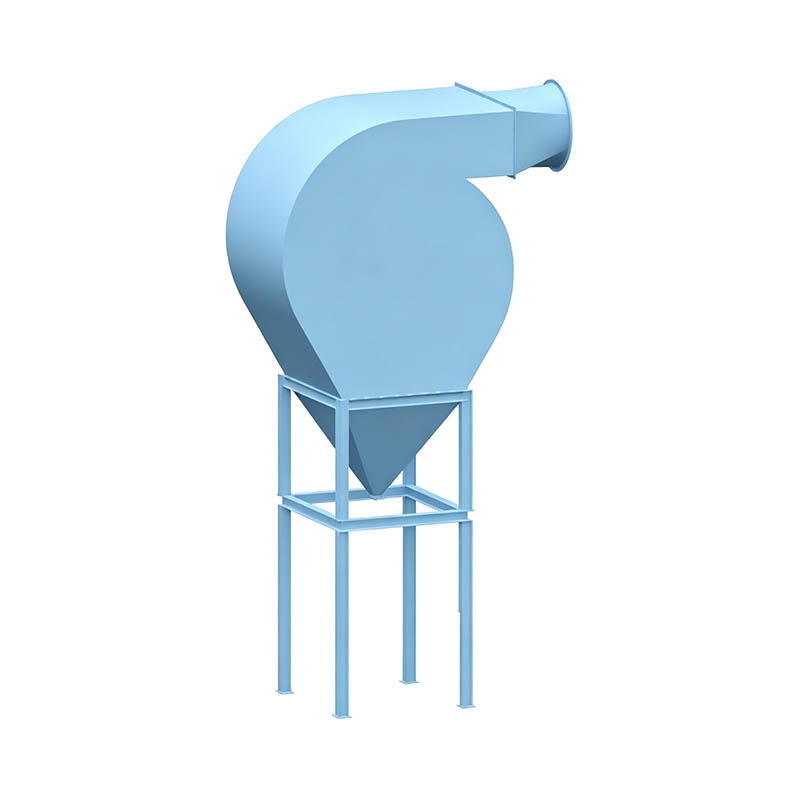
| Cyclone separator | Centrifugal force separates larger particulate before filtration | Facilities generating coarse debris alongside fine dust |
| Baghouse collector | Fabric filter bags capture particulate as air passes through | General industrial dust collection with moderate airflow volume |
| Cartridge collector | Pleated filter cartridges provide higher surface area filtration | Applications requiring finer filtration in a more compact footprint |
Application Scenarios
- Woodworking facilities: Multiple machine work points requiring balanced airflow across simultaneously operating equipment.
- Metal fabrication: Systems requiring spark arrestors due to hot particulate generated during cutting or grinding processes.
- Food processing environments: Dust control systems requiring filtration suited to specific particulate characteristics and facility cleanliness standards.
- General manufacturing: Multi-branch ductwork networks connecting several process points to a shared central collector.
Selection Considerations for Auxiliary Equipment
- Matching duct diameter to CFM requirements: Undersized ductwork limits airflow regardless of the collector's rated capacity.
- Filter media suited to particulate type: Different processes generate particulate with different sizes and characteristics, affecting which filter media performs best.
- Blast gate configuration: Manual gates suit smaller systems, while automated gates suit facilities with frequently changing work points.
- Spark arrestor necessity: Processes generating hot particulate or sparks should include spark arrestors ahead of filter media to reduce ignition risk.
- Noise control requirements: Facilities with noise-sensitive environments may require silencers sized to the collector's airflow volume.
Maintenance Tips for Dust Collection Systems
- Inspect and clean filter media regularly: A loaded filter increases resistance and reduces airflow throughout the connected system.
- Check duct connections for leaks: Loose joints reduce effective suction and can allow particulate to escape into the surrounding space.
- Verify blast gate operation: Gates that do not fully open or close can create uneven airflow distribution across branches.
- Monitor spark arrestor condition: Buildup or damage can reduce their effectiveness in processes generating hot particulate.
Common Mistakes and Overlooked Considerations
- Undersizing ductwork relative to collector capacity: This limits effective airflow even when the main unit is functioning correctly.
- Leaving unused blast gates open: This divides available suction unnecessarily across branches not currently in use.
- Delaying filter maintenance: A loaded filter is one of the most common causes of gradually reduced system performance.
- Overlooking noise control needs during initial design: Adding silencers after installation is often more difficult than accounting for noise control during initial system planning.
Conclusion
Dust collection auxiliary equipment plays a central role in how effectively a dust collection system performs, often accounting for issues that appear to originate in the main collector unit. Sizing ductwork correctly, maintaining filter media, configuring blast gates appropriately, and including spark arrestors and silencers where needed all contribute to consistent airflow and safer, quieter operation across the system's service life.
Frequently Asked Questions
What are the CFM requirements for a dust collector?
Required CFM depends on the number of connected work points, duct diameter, and the resistance introduced by fittings and filters, with each tool or process typically needing a minimum airflow for effective capture.
What are common dust collector problems?
Loud operation with little suction, uneven airflow across work points, gradually reduced performance from filter loading, and vibration from loose duct connections are among the most frequent issues.
How can a dust collector be made more efficient?
Sizing ductwork correctly, minimizing unnecessary fittings, closing unused blast gates, and maintaining filter media on a regular schedule all help maintain airflow closer to rated capacity.
Why does my dust collector sound loud with very little suction?
This combination typically points to restricted airflow from a blocked duct, loaded filter, or too many open blast gates rather than a fault in the main fan itself.
What types of dust collection systems are there?
Cyclone separators, baghouse collectors, and cartridge collectors are common types, each using a different particulate separation method suited to different applications.
What auxiliary equipment supports a dust collection system?
Ductwork, blast gates, filter cartridges or bags, spark arrestors, silencers, and dampers each support a specific aspect of airflow management and system safety.